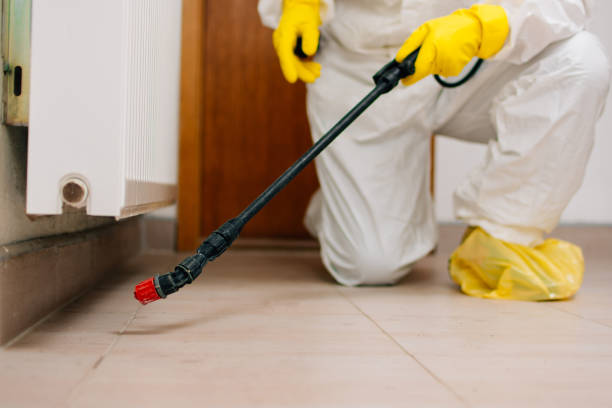
Comprehensive Guide to Managing Pests in Your Home: Focus on Eco-Friendly Solutions

When it comes to maintaining a comfortable and safe home environment, effective pest control is essential. However, not all methods are created equal, especially when considering the impact on the environment and health. From groundhog control to silverfish management, this guide delves into eco-friendly and efficient strategies for residential pest control.
Eco-Friendly Pest Control Techniques
Embracing eco-friendly pest control not only helps protect the environment but also keeps your home safe from harmful chemicals. Let’s explore some of the best practices in eco-friendly pest management.
Understanding Integrated Pest Management (IPM)
Integrated Pest Management (IPM) is a holistic approach that focuses on long-term prevention of pests or their damage through a combination of techniques such as biological control, habitat manipulation, and use of resistant varieties.
Key Components of IPM
- Prevention: The first step is to prevent pests from entering your home through sealing cracks and maintaining clean surroundings.
- Identification: Correct identification of pests is crucial for effective control.
- Monitoring: Regular monitoring to detect early signs of pest activity.
- Control: Applying the least hazardous control methods.
By incorporating these elements, IPM provides a sustainable solution to pest problems with minimal environmental impact.
Biological Pest Control
This method involves using natural predators or parasites to manage pest populations. It’s particularly effective in garden and outdoor settings.
Examples of Biological Control Agents
- Ladybugs: These are natural predators of aphids and other harmful insects.
- Nematodes: Microscopic worms that attack soil-borne pests.
- Bacillus thuringiensis: A bacteria that targets caterpillars and other insect larvae.
- Birds: Encouraging birds can help control insect populations naturally.
Employing these biological agents helps reduce the need for chemical pesticides, promoting a healthier ecosystem around your home.
Specific Pest Control Challenges and Solutions
Groundhog Control
Groundhogs can cause significant damage to gardens and landscapes. Effective control involves a combination of exclusion, habitat modification, and live trapping.
Strategies for Groundhog Management
- Exclusion: Installing fences that are at least a foot deep and a few feet tall can prevent entry.
- Habitat Modification: Removing piles of debris and wood, which serve as shelter for groundhogs.
- Live Trapping: Using humane traps to capture and relocate groundhogs.
- Repellents: Applying natural repellents such as garlic and pepper sprays.
These tactics, when combined, can effectively manage groundhog populations without harming the animals or the environment.
Bird Control Services
While birds are beneficial for the ecosystem, in some cases, they can become pests. Safe bird control is crucial to prevent damage and health risks.
Methods for Effective Bird Control
- Netting: Installing protective netting to prevent birds from reaching certain areas.
- Spikes: Placing spikes on ledges to deter birds from nesting.
- Decoys: Using predator decoys to scare birds away.
- Sound Deterrents: Employing audio devices that emit distress calls or predatory sounds to repel birds.
These humane and eco-friendly methods ensure effective bird control while maintaining the balance of your local ecosystem.
Silverfish Control
Silverfish are common household pests known for damaging books, wallpaper, and clothing. Managing them involves moisture control, proper storage, and natural repellents.
Techniques to Prevent Silverfish Infestations
- Dehumidify: Reduce moisture levels in your home with dehumidifiers.
- Seal cracks: Block entry points to prevent silverfish from entering.
- Starch-free storage: Store books and clothing in airtight containers.
- Natural repellents: Use lavender oil or cucumber peels as repellents.
Implementing these strategies can help keep silverfish at bay, protecting your belongings and maintaining a healthier home environment.
Tags: Groundhog control, Eco-friendly pest control, Residential pest control, Bird control services, Silverfish control
In conclusion, managing pests in an eco-friendly manner not only contributes to a healthier environment but also enhances the safety and comfort of your home. Whether it’s groundhogs, birds, or silverfish, the strategies discussed offer effective solutions without the drawbacks of traditional chemical methods. Remember, a balanced approach that respects nature’s intricacies is often the most rewarding!