Comprehensive pest control in Arlington, TX
A pest problem is more than an annoyance—it disrupts life. In Arlington, TX, humid summers and nearby commercial zones create ideal conditions for pests. Reliable solutions require more than a quick spray; they demand comprehensive pest control covering prevention, treatment, and long‑term protection.
Beyond comfort, pests threaten structural damage, food safety, and health. An effective program is layered, data‑driven, and seasonally adaptive. This guide outlines each step of a full‑service plan to keep homes or schools pest‑free year‑round.
Understanding the Scope of Comprehensive Pest Control
A comprehensive approach starts with an in‑depth inspection that identifies entry points, food sources, and nesting sites. From there, a tailored strategy balances chemical treatments, physical barriers, and behavioral deterrents. The goal is to eliminate conditions that allow pests to return.
In practice, this means addressing not only visible culprits—cockroaches in kitchens or rodents nibbling wires—but also hidden contributors like damp crawl spaces, unsealed utility openings, and garden beds that attract insects. By tackling every element, you create a hostile environment for pests while preserving safety.
Why Arlington, TX Needs Specialized Services
Arlington’s hot, humid summers and cool winters keep many species active year‑round, especially cockroaches and rodents. Proximity to highways and industrial areas increases the likelihood of pest transport into homes and schools. Local knowledge of these factors is essential for effective control.
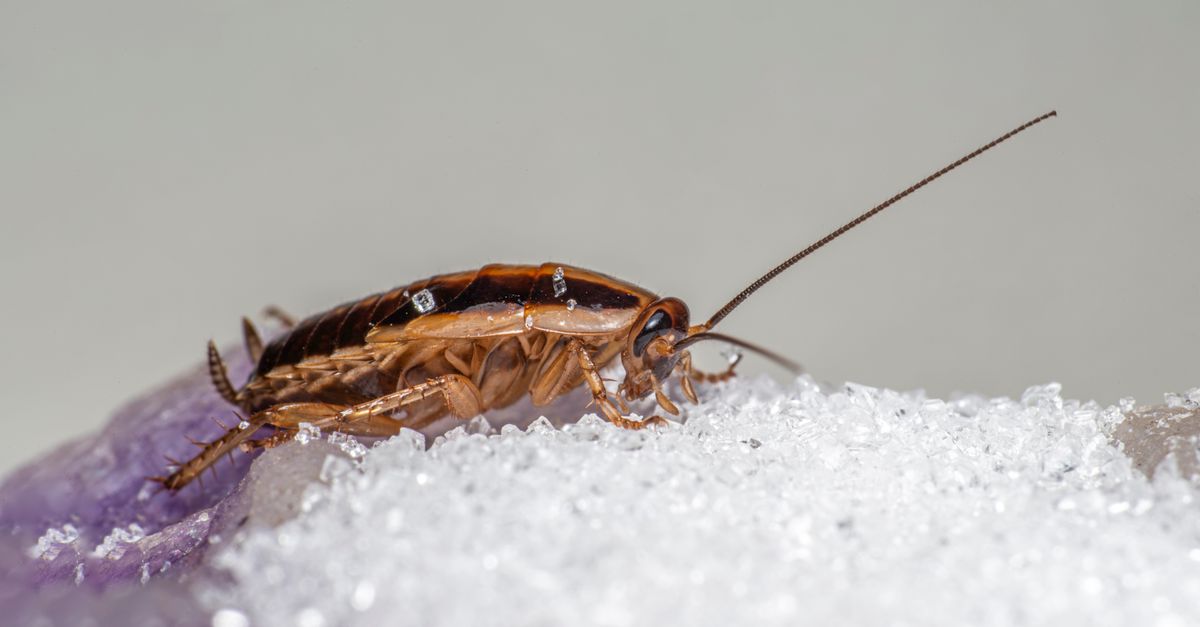
The city hosts aggressive native pests such as the brown‑banded cockroach (Periplaneta brunnea) and the Eastern Boxelder bug (Boisea trivittata). A provider familiar with local species will select the best bait formulations, trap placements, and disposal methods to prevent secondary infestations.
Key Components of an Effective Plan
A solid plan includes inspection, treatment, and monitoring. Each stage requires specific expertise and tools to ensure lasting results.
Inspection and Identification
Professionals conduct a thorough on‑site survey looking for droppings, chewed wires, or gnaw marks. They assess structural vulnerabilities—cracks in foundations, gaps around windows, open vents—that serve as entry points.
Inspection Checklist
- Exterior foundation seams
- Windows and door seals
- Ventilation systems
- Crawl spaces and attics
- Water sources and drainage
- Food storage areas
- Pet food locations
- Outdoor landscaping proximity to structure
Inspectors may use infrared cameras or moisture meters to detect hidden dampness that attracts insects, especially in attics and basements.
Targeted Treatment Strategies
After identifying problem areas, treatments are customized. In Arlington, common methods include bait stations for rodents, residual sprays for cockroaches, and diatomaceous earth for surface pests. Chemical choice depends on pest type, infestation severity, and safety requirements—especially in schools.
A professional might use low‑toxicity gel baits under kitchen cabinets to attract and kill cockroaches while keeping the rest of the house free from harsh chemicals. Rodent control could combine snap traps with bait stations along wall edges where mice travel. Outdoor spaces may receive non‑toxic barriers such as powdered boric acid or natural repellents that deter ants without risking pets.
Follow‑Up and Monitoring
After the initial treatment, follow‑up visits confirm eradication. Regular monitoring—typically every 4–6 weeks during peak seasons—detects new activity early. If a resurgence is detected, technicians adjust tactics promptly.
Technicians often leave discreet monitoring devices such as sticky traps or electronic sensors in high‑traffic areas. These record pest visits and can send alerts to the homeowner’s smartphone, allowing rapid response before an infestation grows. During off‑season periods, inspections may be spaced further apart, but a final “end‑of‑year” check ensures that no new colonies have established themselves.
Choosing the Right Pest Control Provider in Arlington
With many companies offering “quick fixes,” vet providers carefully. Look for those who provide full‑service plans and have a proven local track record.
Credentials and Certifications
Reputable firms hold state licenses, EPA certifications, and often membership in national associations like the National Pest Management Association (NPMA). These credentials indicate adherence to safety standards and ongoing training.
When speaking with a contractor, ask for proof of current licensure, details on employee certification programs, and any local awards or recognitions. A qualified company will also be transparent about which chemicals they use and why those choices suit the specific pests you face.
Technology and Eco-Friendly Options
Modern pest control uses technology—smart sensors that alert you to activity—and eco-friendly products that minimize environmental impact. Arlington residents increasingly demand these solutions, especially in environmentally conscious neighborhoods.
Some providers offer mobile apps for scheduling appointments, viewing inspection reports, and receiving real‑time updates on pest activity levels. Eco‑friendly options might include organic baits, steam treatments for woodwork, or pheromone traps that disrupt mating cycles without chemicals.
Cost Considerations and Value
While upfront costs vary, comprehensive plans often prove cheaper over time by preventing damage or health complications. Look for transparent pricing that includes inspection, treatment, and monitoring with no hidden fees.
Many local providers offer tiered service levels—basic, standard, and premium—to fit different budgets. Schools may receive discounted rates or payment plans to accommodate budget cycles.
Pest-Proofing Your Home for Long-Term Protection
Even after a successful treatment, pests can re-enter if entry points remain. Pest‑proofing involves sealing gaps and creating barriers that deter future incursions.
Sealant and Physical Barriers
Use high-quality caulk or expanding foam to seal cracks around foundations, along utility lines, and in wall cavities. Install door sweeps, weather stripping, and window screens to reduce openings. In Arlington’s humid climate, mold‑resistant barriers also protect against moisture-related pest attraction.
A practical step is inspecting the perimeter: look for gaps between siding and trim or cracks in the concrete slab where rodents might nest. Applying a bead of silicone caulk along these seams can prevent both insects and small mammals from gaining entry.
Behavioral Deterrents and Habitat Management
Eliminate food sources by storing pet food in sealed containers and keeping trash in secure bins with tight lids. Reduce clutter where pests can hide and trim vegetation away from the house to limit cover for rodents.
For added deterrence, consider natural repellents such as peppermint oil or citrus peels near entry points. A DIY spray—mixing water, vinegar, and a few drops of essential oil—can be applied to baseboards and door frames without leaving residue that attracts pests.
Special Cases: Cockroach Extermination and School Pest Control
Certain environments require specialized tactics. Cockroaches thrive indoors, while schools must maintain strict health standards.
Cockroaches in Residential Settings
Residential control often starts with baiting—placing low‑toxicity baits near kitchens and bathrooms—to attract and kill pests. Follow up with residual sprays around baseboards and corners. In Arlington, winter can push roaches into homes; maintaining a dry environment reduces their attraction.
A common mistake is leaving food crumbs or standing water on countertops. A consistent cleaning routine—using a mild detergent to wipe down surfaces daily—keeps attractants at bay. Installing door sweeps that seal the gap between the floor and the bottom of the door also prevents roaches from slipping into living spaces.
Pest Challenges in Educational Facilities
Schools face unique constraints: minimal use of harsh chemicals and strict compliance with health regulations. Integrated Pest Management (IPM) is preferred—emphasizing sanitation, structural repairs, and targeted chemical application only when necessary.
Key practices include daily sweeping of cafeteria floors, proper storage of food waste in sealed containers, and regular inspection of HVAC ducts for dust buildup that can harbor pests. If chemicals are needed, schools often opt for low‑toxic formulations such as potassium permanganate or botanical insecticides that meet federal safety standards.
Common Mistakes to Avoid During the Process
Even with professional help, homeowners can inadvertently hinder results. Awareness of these pitfalls ensures smoother outcomes.
DIY Missteps
Many attempt quick fixes—spraying household cleaners or using DIY traps—that often fail to kill pests or worsen conditions by attracting more insects with residue chemicals.
Another frequent error is overusing sprays, which can create a chemical “smell” that attracts other species. Instead, rely on targeted treatments and follow the technician’s guidance on application frequency.
Ignoring Early Signs
Pest activity can start subtly: droppings, faint noises, or strange smells. Delaying action until an infestation is visible allows pests to multiply and spread, making treatment more expensive.
A proactive approach involves setting up simple observation points—such as placing a sticky trap near a suspected entry point—and checking it weekly. If you notice even one pest, act immediately by contacting your provider for a follow‑up inspection.
The key takeaway: Comprehensive pest control is a layered process—inspection, targeted treatment, follow‑up, and permanent prevention—that protects your home or school from recurring infestations. In my experience working with homeowners who neglected early signs, the cost of remedial treatment often exceeded that of a proactive comprehensive plan. What’s the most common mistake you’ve seen people make when trying to keep pests out of their Arlington homes?