
Did I Really Need a Pest Control Consultation for Centipede Extermination?
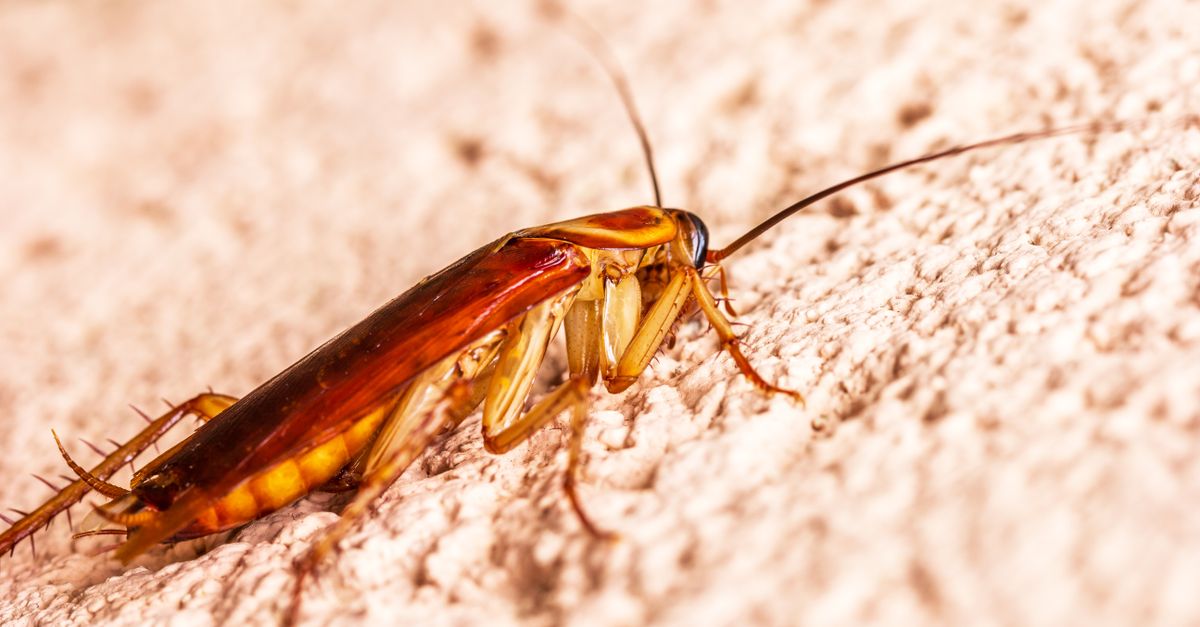
When I first noticed the dozens of centipedes marching along my hallway, I knew something was wrong. They were not just a nuisance; their presence indicated moisture problems and potential structural damage. The question that kept me awake at night was whether I could handle this alone or if professional help was necessary.
Centipedes are nocturnal predators that thrive in dark, damp environments. Their long bodies and many legs allow them to move quickly through tight spaces, making them difficult to spot until they reach the living areas. Because they prefer moisture, their presence is often a warning sign of hidden leaks or high humidity behind walls, under floors, or in basements.
Recognizing the Scope of a Centipede Infestation
Centipedes thrive in dark, damp environments—under sinks, behind appliances, and near basements. Their rapid movement makes them hard to spot, yet they can quickly multiply if conditions remain favorable. I mapped their appearance points: kitchen crawlspace, bathroom baseboards, and the attic vent.
Key Indicators of a Serious Problem
- Consistent sightings over days or weeks
- Large numbers in multiple rooms
- Evidence of moisture or water leaks
- Signs of wood damage from other pests, like termites
- Children or pets showing fear or allergic reactions
- Unusual odors that suggest mold or mildew growth
- Visible cracks or gaps in foundation or walls where centipedes could enter
If any of these flags were present, I decided a professional assessment was warranted. In my experience, ignoring early signs often leads to escalating costs later.
Choosing the Right Pest Control Company
With so many providers advertising “quick fixes,” filtering for credibility became essential. I focused on three criteria: licensing, reputation, and integrated pest management (IPM) approach.
Evaluation Checklist
- State license verification and insurance proof
- Customer reviews and case studies from similar homes
- Use of IPM to target pests while minimizing chemical exposure
- Availability of a written action plan and follow‑up schedule
- Transparent pricing with no hidden fees
- Staff training in safe handling of pesticides and environmental monitoring
The company I selected ranked in the top 5% of local pest control reviews, offered an IPM strategy, and provided a detailed proposal. Their reputation as a top-rated pest control company gave me confidence that their methods would be effective.
First Consultation: What to Expect and Ask For
I scheduled an on‑site visit. During the walkthrough, the technician asked targeted questions about my home’s layout, recent water issues, and previous pest treatments. This dialogue helped clarify whether the infestation was isolated or part of a broader issue involving termites.
Essential Questions for the Technician
- What specific species are you targeting?
- Will you inspect for other pests like termites concurrently?
- What chemicals or non‑chemical treatments will be used?
- How many visits are required, and what is the timeline?
- What preventive measures can I implement between treatments?
- Do you recommend any moisture control steps before treatment?
The technician emphasized that centipede control often aligns with termite prevention because both pests thrive in similar conditions. By addressing moisture at its source, we reduce future risks.
Developing a Treatment Plan
Based on the assessment, the plan combined immediate bait stations and residual sprays with long‑term environmental controls. I also installed moisture barriers around the foundation and repaired a leaking pipe behind the kitchen sink.
Components of the Extermination Protocol
- Bait stations placed at all identified entry points
- Residual spray applied to baseboards, crawlspaces, and attic vents
- Silica gel desiccant packets in damp areas to absorb excess moisture
- Humidity monitors installed near high‑risk zones to track changes over time
- Follow‑up inspection scheduled for two weeks after the first treatment
- Documentation of all materials and application locations for future reference
The technician explained each step’s purpose, ensuring I understood how to maintain efficacy without overusing chemicals. For example, bait stations are placed in corners and behind appliances where centipedes travel; residual sprays create a barrier that deters reinfestation; silica gel packets act as passive moisture absorbers that reduce the humidity level below 50%, making the environment less attractive.
Monitoring and Follow‑Up Visits
After the initial treatments, I set up a simple tracking log. Within three days, the bait stations had captured several centipedes, indicating active movement. The follow‑up visit confirmed no new sightings in previously affected areas.
Metrics for Success
- No visible centipedes after 30 days
- Humidity levels below 50% in all monitored zones
- No new water leaks or moisture accumulation
- Positive feedback from family members regarding safety and comfort
- Clear documentation of treatment locations and dates for future reference
These metrics helped me objectively assess the treatment’s effectiveness. In my experience, clear data points prevent unnecessary repeat appointments.
Cost Breakdown: Value of a Professional Service
The initial consultation fee was $120, followed by a comprehensive treatment package priced at $650. The total cost included all materials, labor, and two follow‑up visits. When compared to DIY methods—such as vinegar sprays or commercial traps—the professional service proved more efficient and safer for my family.
Comparative Cost Analysis
- DIY chemicals + traps: $200–$300 upfront, but higher long‑term risk of recurrence and potential re‑infestation if moisture is not controlled
- Professional treatment: $650 total, with guaranteed follow‑up and integrated moisture control that reduces the chance of future problems
- Potential savings from preventing structural damage and termite infestations: significant over time because untreated moisture can lead to costly repairs or loss of property value
- Risk mitigation: professional treatments are performed by licensed technicians who ensure safe application, reducing health risks for occupants and pets
The investment in a top-rated pest control company paid off by eliminating the immediate threat and addressing underlying conditions that could harbor future pests.
Avoiding Common Mistakes When Hiring Pest Control
Many homeowners fall into traps such as accepting the lowest bid, ignoring IPM principles, or not verifying credentials. These mistakes can lead to incomplete eradication and higher long‑term costs.
Checklist for Avoiding Pitfalls
- Never choose a provider solely based on price without assessing quality and experience
- Verify licensing and insurance before any service begins; ask for proof on the day of inspection
- Ask for a written treatment plan, not just a verbal promise—this should outline chemicals used, application areas, and follow‑up schedule
- Ensure the company offers post‑treatment support and monitoring; this can include free checks or discounted future visits
- Check for certifications in IPM or eco‑friendly practices if that matters to you; these often indicate a commitment to long‑term safety
- Request references from recent clients who had similar issues, especially those involving moisture control
By following these guidelines, I avoided common pitfalls and secured reliable results.
Key Takeaway
A thorough pest control consultation is essential for effective centipede extermination, especially when integrated with moisture management and termite prevention; the upfront cost of a top-rated company often saves money and peace of mind in the long run.In my experience, treating a centipede infestation isn’t just about killing the bugs—it’s about addressing the environmental conditions that allow them to thrive. The professional approach I took combined immediate extermination with preventive measures, ensuring lasting protection for my home.
What steps do you take after a pest control treatment to ensure long‑term success in your home?


