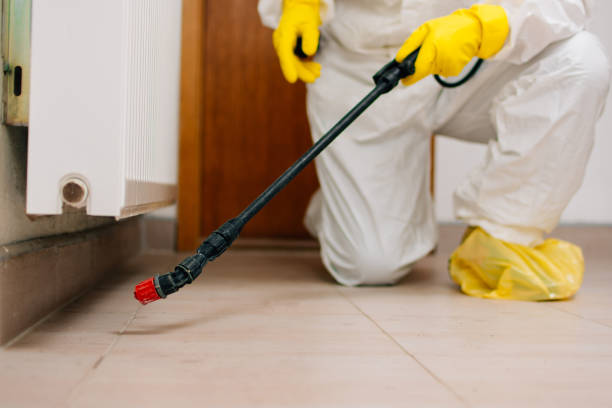
Effective Pest Control Strategies for Warehouses and Schools

Pest control is a critical concern for facilities such as warehouses and schools, where the integrity of goods and the health of students and staff are at stake. Comprehensive pest control programs and seasonal pest treatments are essential in maintaining a safe and sanitary environment. This blog post explores tailored strategies for managing pests in these unique settings, ensuring safety and compliance with health regulations.
Pest Control Challenges in Warehouses
Warehouses, with their vast storage spaces and frequent shipments, are prime habitats for pests such as rodents, insects, and birds. Effective pest control for warehouses requires a proactive approach to prevent infestation and contamination. Here are some of the unique challenges in warehouse pest control:
- Size and Complexity: The large size and complex layout of warehouses make it difficult to monitor all areas consistently.
- Entry Points: Numerous loading docks and delivery areas offer multiple entry points for pests.
- Stored Goods: Various goods, including food and perishables, attract pests seeking food and shelter.
Strategic Pest Control Solutions for Warehouses
To address these challenges, warehouses require a comprehensive pest management strategy that includes:
- Regular Inspections: Frequent and thorough inspections help identify potential infestations early before they become widespread.
- Integrated Pest Management (IPM): IPM focuses on preventive measures, such as sealing entry points and maintaining cleanliness to deter pests.
- Customized Treatments: Depending on the types of goods stored and the specific pests identified, tailored treatment plans should be implemented.
Pest Control Considerations for Schools
Schools are another critical focus of pest management, where the safety of children is the priority. Effective pest control for schools must be safe, minimally disruptive, and environmentally friendly. The challenges here include:
- Sensitivity: The presence of children and young adults requires the use of non-toxic, low-impact pest control methods.
- Food Service Areas: Cafeterias and snack bars can attract pests unless properly managed.
- Diverse Facilities: Classrooms, gyms, and outdoor areas each have unique vulnerabilities and require specific focus.
Best Practices in School Pest Management
To effectively manage pests in schools while ensuring the safety of students and staff, consider the following practices:
- Preventive Measures: Implement structural repairs to close potential entry points and maintain cleanliness in dining and storage areas.
- Regular Monitoring: Set up a routine monitoring schedule to check for signs of pest activity across the school premises.
- Educational Programs: Educate staff and students about proper food storage and disposal to minimize attractions for pests.
The Role of Seasonal Pest Treatments
Seasonal pest treatments play a vital role in pest management strategies for both warehouses and schools. Different pests become more active in specific seasons; for instance, rodents seek warmth during the winter, and insects are prevalent in the warmer months. Understanding the lifecycle of pests allows for timely interventions. Here’s how seasonal treatments can be integrated:
- Spring: Prepare for insect upticks by reinforcing building exteriors and treating landscapes.
- Summer: Focus on interior spaces, as pests like ants and flies are more active and likely to enter buildings.
- Fall: Address rodent control as these pests prepare for winter.
- Winter: Continue monitoring and maintenance programs, as pests seek shelter from the cold.
Comprehensive Pest Control: A Unified Approach
A comprehensive pest control strategy is crucial for effectively managing pest populations in any large facility. This approach involves:
- Assessment: Conducting detailed assessments to identify current pest pressures and potential risks.
- Implementation: Developing and implementing a customized pest management plan that addresses the specific needs of the facility.
- Maintenance: Regular reviews and adjustments to the pest management plan based on efficacy and changing conditions.
Conclusion
Managing pests in warehouses and schools requires a strategic, informed approach that prioritizes safety and effectiveness. By incorporating comprehensive pest control practices and adapting to seasonal variations, these facilities can maintain high standards of hygiene and safety, ensuring a pest-free environment. Regular evaluations and updates to pest control strategies will aid in the continual success of these programs, safeguarding the health and wellbeing of all occupants and contents within these establishments.
For professional assistance and more detailed plans tailored to specific needs, consulting with a pest management expert is recommended. They can provide valuable insights and advanced solutions to meet the unique challenges presented by different environments and pest types.