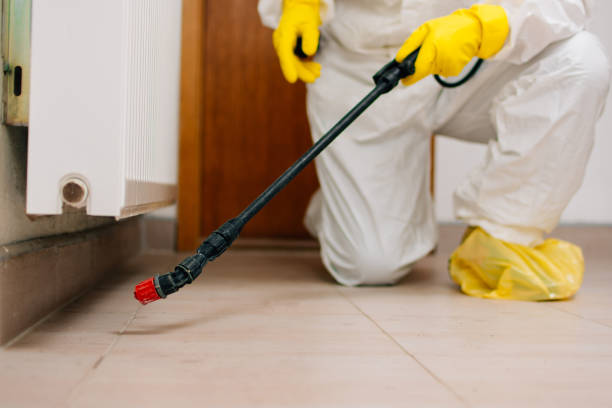
Effective Pest Management Solutions for Offices and Condos: Tailored Treatments and Expert Advice

In the bustling environments of offices and condominiums, the last thing anyone wants to deal with is a pest infestation. Not only can pests cause physical damage to property, but they also pose serious health risks and can significantly disrupt daily operations. To effectively tackle these unwanted intruders, it's essential to implement customized pest treatment plans tailored to the specific needs of the environment. This detailed guide explores the various aspects of office and condo pest control, focusing on everything from termite baiting systems to comprehensive termite inspections and treatments.
Custom Pest Treatment Plans: Tailored Solutions for Unique Environments
Every office and condo presents a unique set of challenges when it comes to pest control. Factors such as the building’s design, location, and the nature of the work or living space all play crucial roles in determining the appropriate pest management strategy. Custom pest treatment plans are essential in addressing these unique characteristics effectively.
A customized approach begins with a thorough inspection of the premises by a professional pest control service. This inspection helps identify specific pest issues and potential risk areas. Following this, a tailored plan is developed, which may include:
- Identification of entry points and advice on structural modifications to prevent pest access.
- Scheduled regular inspections to catch problems early.
- Implementation of sanitation practices to reduce attractants such as food waste and standing water.
- Selection of treatment methods suited to the specific pests identified and the environment of the premises.
By implementing a plan that considers the individual needs of an office or condo, businesses and residents can ensure a safer, healthier, and pest-free environment.
Office Pest Solutions: Ensuring a Safe and Productive Workplace
Pests in an office environment can not only harm the structural integrity of the building but also affect the health and productivity of its occupants. Effective office pest solutions must be discreet, minimally invasive, and implemented with a focus on long-term prevention.
Common pests in office settings include rodents, cockroaches, ants, and termites. To combat these effectively, pest control experts recommend integrated pest management (IPM) strategies that include:
- Regular maintenance and cleaning schedules.
- Employee training on best practices for minimizing food waste and clutter.
- Use of non-toxic traps and baits to minimize health risks to employees.
- Electronical monitoring tools for early detection of pests like rodents and cockroaches.
Additionally, professional pest control services can offer specific interventions such as sealing cracks and crevices, installing barriers, and using environmentally friendly pesticides that are effective yet safe for a bustling office environment.
Termite Baiting Systems: A Modern Solution for Termite Control
Termites are among the most destructive pests, capable of causing significant structural damage to buildings if not properly managed. Termite baiting systems represent a modern and highly effective approach to controlling termite populations. This method involves installing bait stations around the perimeter of a building, which termites are attracted to. Once consumed, the bait disrupts the termites' ability to molt, eventually eliminating the colony.
The advantages of termite baiting systems include:
- Less invasive than traditional methods such as soil treatment, which requires extensive drilling and chemical application.
- Environmentally friendly, as they use less pesticide and target only termites.
- Continual protection, as monitoring and replenishment of the bait stations ensure long-term control.
For offices and condos, where minimizing disruption is crucial, termite baiting systems offer an effective and convenient solution to termite control.
Condo Pest Control: Addressing the Unique Challenges
Condominiums face unique pest control challenges due to shared spaces, high resident turnover, and close proximity of units. Effective condo pest control requires a coordinated approach that involves management, residents, and pest control professionals.
Key strategies for effective condo pest control include:
- Regular inspections and treatments of common areas such as lobbies, gyms, and laundry rooms.
- Clear communication of guidelines regarding sanitation and storage to all residents.
- Immediate response to pest sightings to prevent spread to other units.
- Use of non-toxic and minimally invasive treatments to ensure the safety and comfort of residents.
Engaging a professional pest control service that offers experience in managing multi-unit dwellings can significantly enhance the effectiveness of these strategies.
Termite Inspection and Treatment: Securing Your Property's Integrity
Regular termite inspections are crucial for early detection of termite activity, which can save significant costs in structural repairs if left unchecked. During a termite inspection, trained professionals will assess the condition of the wood structures in the building, identify signs of termite activity, and evaluate moisture levels that could attract termites.
If termites are detected, several treatment options are available:
- Liquid termiticides to create a chemical barrier around the property.
- Direct wood treatments to eliminate termites in infested areas.
- Termite baiting systems for ongoing monitoring and control.
Professional termite treatments not only eradicate existing colonies but also provide preventive measures to protect the building from future infestations.
In conclusion, maintaining a pest-free environment in offices and condos requires a strategic approach that includes regular inspections, customized treatment plans, and collaborative efforts between pest management professionals and property residents or management. By investing in effective pest control solutions, property managers and owners can safeguard their buildings' integrity, ensure the well-being of occupants, and maintain a pleasant living and working environment.