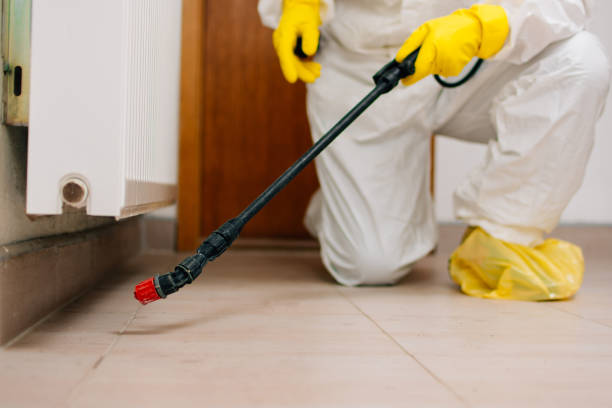
Effective Strategies for Pest Prevention and Customized Treatment Plans

When it comes to maintaining a safe and comfortable living environment, effective pest control is crucial. From mice to moths, the presence of pests can lead to significant damage and potential health risks. Understanding the best practices in pest prevention services and the importance of pest damage prevention is the first step towards safeguarding your home or business. In this detailed guide, we will explore how custom pest treatment plans tailored by professional mice control experts can ensure your space remains pest-free.
The Importance of Pest Prevention Services
Pests can create numerous problems once they infiltrate your premises. They not only pose health risks but can also cause substantial structural damage. Engaging in proactive pest prevention services is essential. These services offer several benefits:
- Health Protection: Many pests are carriers of diseases that can be transferred to humans. Regular pest control helps mitigate these health risks.
- Damage Prevention: Pests like termites and rodents can damage the structural integrity of your home, leading to expensive repairs. Early prevention saves costs in the long run.
- Food Safety: In both residential and commercial settings, pests pose a threat to food safety. Effective pest management ensures food remains uncontaminated.
By understanding these benefits, property owners can appreciate the critical role that pest prevention services play in the upkeep of their properties.
Custom Pest Treatment Plans: Tailored Solutions
Every infestation is unique based on factors such as location, type of building, and the specific pests involved. Therefore, custom pest treatment plans are not just beneficial but necessary. These plans are designed after a thorough assessment of your property, ensuring that the treatment is perfectly suited to your specific situation.
A custom plan typically involves:
- Inspection: A detailed examination of your property to identify the type and extent of the infestation.
- Identification: Determining what pests are present and assessing the damage already incurred.
- Treatment Plan: Crafting a strategy that involves choosing the right treatments while considering the safety of the building's occupants.
- Implementation: The controlled application of treatments to maximize effectiveness while minimizing harm to humans and pets.
- Monitoring: Regular checks to ensure the effectiveness of the treatment and to make adjustments if necessary.
Such personalized attention to detail in creating and executing pest control strategies can drastically reduce the likelihood of future infestations.
Mice Control Experts: Your First Line of Defense
Mice are among the most common pests that invade homes and businesses, known for their ability to cause extensive damage and spread disease. Mice control experts play a crucial role in both eliminating current infestations and preventing future problems. They utilize a range of strategies tailored to the specifics of your situation, including:
- Baiting and Trapping: These are the initial steps in controlling a mouse population, involving strategic placement of traps and bait stations.
- Exclusion Techniques: Experts will identify and seal entry points to prevent mice from entering the property. This method addresses the problem at its source.
- Sanitation: Advice on proper sanitation practices can significantly reduce the attractiveness of your property to mice, depriving them of the resources they need to survive.
- Continuous Monitoring: Regular inspections and maintenance to ensure the space remains mouse-free and identify potential risks early.
With these targeted approaches, mice control experts ensure not just immediate relief but also long-term prevention.
Pest Damage Prevention: Protecting Your Property
While dealing with an infestation after it occurs is essential, the ideal approach to pest management is prevention. Pest damage prevention involves several proactive steps:
- Regular Inspections: Scheduling regular pest inspections can help catch issues before they become severe.
- Sealing Entry Points: A critical step in prevention, this involves sealing all potential entry points such as cracks in walls, gaps around pipes, and spaces under doors.
- Maintaining Cleanliness: Reducing clutter and maintaining hygiene discourages pests from settling in your property.
- Using Pest-Repellent Plants: Incorporating certain plants that naturally repel pests can be a simple and effective preventive measure.
By integrating these practices into regular maintenance routines, property owners can significantly mitigate the risk of pest infestations.
Conclusion: Ensuring a Pest-Free Environment
Effective pest control is not just about dealing with infestations as they arise but also about preventing them before they start. With the help of professional pest prevention services, custom pest treatment plans, and insights from mice control experts, property owners can maintain a safe, healthy, and pest-free environment. Remember, the key to successful pest management lies in customization and prevention. Don't wait for the signs of pests to appear; start your proactive measures today to protect your property tomorrow.
Whether dealing with a current infestation or looking ahead to prevent future issues, consider reaching out to certified pest control professionals who can provide tailored solutions that meet your specific needs.