
Expert Insights into Effective Pest Control Strategies and Certified Professional Services
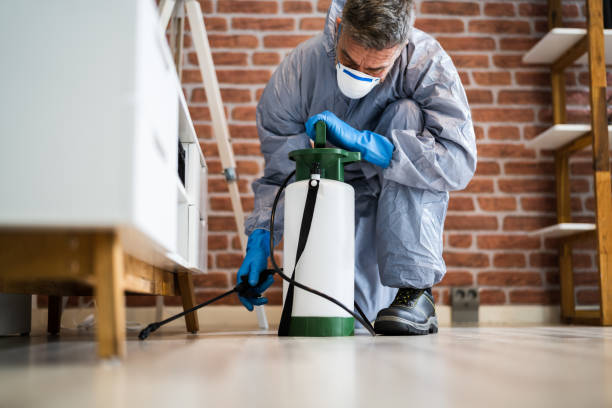
Effective pest control strategies are essential in maintaining a healthy and safe living environment. With a wide range of pests posing various threats to homes, such as termites wreaking havoc on your structure's integrity and groundhogs damaging your garden, it's crucial to adopt a proactive approach to pest management. This blog post delves into the importance of recurring pest control plans, the expertise of certified pest control professionals, and specialized strategies for managing common pests such as groundhogs and termites.
Understanding Recurring Pest Control Plans
Recurring pest control plans are designed to provide continuous protection against pests. These plans involve regular inspections and treatments by certified professionals to ensure that your home remains pest-free year-round. Here's why a recurring plan should be a key component of your home maintenance routine:
- Consistent Monitoring: Regular visits from pest control professionals help in early detection of potential infestations, which can save costly repairs and extensive damage over time.
- Customized Solutions: Each visit assesses the effectiveness of the previous treatment and can be adjusted to better suit the evolving needs of your home and seasonal activity of pests.
- Prevention Over Cure: Ongoing treatments are focused more on preventing infestations rather than reacting to them, keeping your home safer overall.
In choosing the right plan, consider factors such as the type of pests common in your area, your property’s history with pest infestations, and your personal tolerance levels to pests. A tailored plan not only addresses active infestations but also prevents future problems.
The Role of Certified Pest Control Professionals
Certified pest control professionals are at the forefront of ensuring your home is protected from pests. Certification typically involves rigorous training and a comprehensive understanding of various pest behaviors, safe chemical handling, and environmental regulations, which are crucial for effective and safe pest eradication. Here’s how certified professionals make a difference:
- Expert Assessment: They perform thorough inspections to identify the source of pest issues and determine the best course of action.
- Safe Treatment Application: Professionals are trained to apply treatments that are safe for both your family and the environment.
- Knowledgeable Recommendations: They provide valuable advice on how to prevent future infestations through structural modifications or changes in household practices.
Certification is a testament to a technician’s expertise and a commitment to upholding industry standards, which is why it’s recommended to choose professionals who are certified by recognized pest control authorities.
Groundhog Control: Effective Strategies and Tips
Groundhogs, also known as woodchucks, can be a frustrating pest in both urban and rural settings. Effective groundhog control requires a combination of techniques and an understanding of the animal's behavior. Here are several strategies that can help minimize damage and prevent future groundhog problems:
- Exclusion: Installing fences that are at least a few feet high and buried deep into the ground can prevent groundhogs from entering your yard.
- Trapping: Live traps can be an effective way to remove groundhogs. It is crucial to check local wildlife control regulations before trapping and relocating any animal.
- Repellents: Chemical or natural repellents can deter groundhogs, though their effectiveness may vary and should be used as part of a broader control strategy.
Involving a certified pest control professional is particularly beneficial in handling groundhog infestations, as they can recommend and implement humane and effective solutions tailored to your specific situation.
Termite Control: Protecting Your Home from Silent Destroyers
Termites are known for their destructive capabilities, silently damaging the wooden structures of your home potentially leading to immense repair costs. Effective termite control strategies are essential to safeguard your property. Here’s how certified professionals tackle termite infestations:
- Comprehensive Inspections: Identifying the type of termite and the extent of the infestation to tailor the most effective treatment strategy.
- Customized Treatment Plans: Depending on the situation, treatments can include soil treatments, bait systems, or direct wood treatments.
- Follow-Up and Maintenance: Regular monitoring to ensure that the termite population is controlled and prevented from returning.
Preventative measures can also be significant in termite management, including eliminating moisture sources, avoiding wood-to-ground contact, and regular inspections to catch signs of termites early.
Conclusion: Why Invest in Professional Pest Control?
Investing in professional pest control, particularly recurring plans handled by certified professionals, is not just about eliminating immediate nuisances but also about long-term prevention and peace of mind. Effective pest control strategies tailored to specific pests like groundhogs and termites ensure that your property is well-protected against potential damage and health risks associated with pests. Ultimately, the cost of professional pest management is minimal compared to the potential damage and health issues that unchecked pest infestations can cause.
By understanding the importance of ongoing pest control, the role of certified professionals, and the specific strategies needed for challenging pests, homeowners can take informed steps towards maintaining a pest-free environment. Whether you are currently dealing with an infestation or looking to prevent one, consider reaching out to a certified pest control service to discuss the best strategies and plans for your home.


