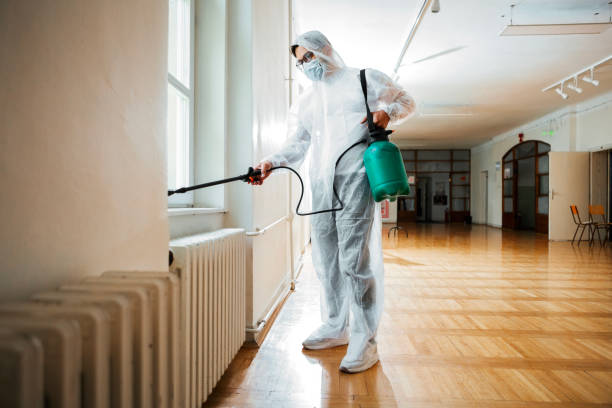
Guide to Choosing Reliable Pest Exterminators and Safe Pest Control Methods for Industrial Management

When it comes to maintaining a clean and safe industrial environment, managing pests is a critical task that cannot be overlooked. Industrial pest management requires a strategic approach to ensure that the methods used are both effective and safe. In this blog post, we will explore how to select reliable pest exterminators, the importance of safe pest control methods, and the best practices in industrial pest management. Our goal is to provide you with comprehensive insights that help protect your premises without compromising on safety or efficacy.
Understanding the Importance of Reliable Pest Exterminators
Finding reliable pest exterminators is the first step in safeguarding your industrial facility from harmful pests. A trustworthy pest control provider not only offers effective solutions but also adheres to high standards of safety and ethics. Here’s why choosing the right exterminators is crucial:
- Expertise and Experience: Experienced exterminators bring a depth of knowledge about various pests and how to handle them effectively. Their expertise ensures that pest issues are resolved quickly and efficiently.
- Safety Standards: Professional exterminators are trained to use pest control methods that are safe for both people and the environment. This is particularly important in industrial settings, where the health and safety of workers must be a top priority.
- Regulatory Compliance: Reliable exterminators understand and adhere to local laws and regulations regarding pest control. This helps ensure that your business remains compliant with all safety and environmental guidelines.
- Customized Solutions: Every industrial facility is unique, and experienced exterminators can provide pest control solutions tailored to specific needs and challenges of your facility.
Choosing Safe Pest Control Methods
The selection of safe pest control methods is vital to ensure the health and safety of everyone in the industrial environment. Here are some key considerations when choosing the safest pest control strategies:
- Integrated Pest Management (IPM): IPM is an effective and environmentally sensitive approach that relies on a combination of practices. It uses current, comprehensive information on the life cycles of pests and their interaction with the environment. This information, in combination with available pest control methods, is used to manage pest damage by the most economical means, and with the least possible hazard to people, property, and the environment.
- Biological Control: This method involves using natural predators or parasites to control pest populations. It’s a safe alternative that minimizes chemical use and is particularly effective in closed environments like greenhouses.
- Chemical Control: When chemicals are necessary, it's important to choose products that are specifically designed to target pests while minimizing harm to humans and the environment. Always opt for chemicals that are approved by relevant health and environmental agencies.
- Physical and Mechanical Control: These methods include using traps, barriers, or machines to remove or keep pests from accessing certain areas. They are non-toxic and can effectively reduce pest populations.
Incorporating these safe pest control methods not only supports a healthy industrial environment but also aligns with sustainable practices, enhancing your company’s CSR (Corporate Social Responsibility) initiatives.
Best Practices in Industrial Pest Management
Effective industrial pest management is a continuous process that involves more than just handling infestations as they occur. Here are some of the best practices to ensure ongoing protection against pests:
- Regular Inspections: Frequent inspections are crucial to identify pest activity and potential risk areas early before they become full-blown infestations.
- Proper Sanitation: Keeping the industrial areas clean minimizes food sources and breeding grounds for pests. Regular cleaning schedules and proper waste disposal are essential.
- Exclusion Techniques: Sealing off entry points helps prevent pests from entering the facility. This can include filling cracks, installing nets or screens, and maintaining proper door seals.
- Staff Training: Educating your staff on the signs of pest activity and proper sanitation practices can help in early detection and prevention of pest problems.
- Professional Partnerships: Establishing a relationship with a reliable pest control provider ensures regular professional oversight and timely intervention when necessary.
Implementing these practices forms a robust defense against pests and helps maintain the integrity and safety of your industrial operations.
Conclusion
Choosing reliable pest exterminators and safe pest control methods is essential for effective industrial pest management. By prioritizing expertise, safety, and compliance, and by implementing best practices, you can maintain a pest-free environment that supports your business’s operational needs and health and safety requirements. Remember, the goal of industrial pest management is not just to eliminate pests but to do so in a way that is sustainable and safe for everyone involved.
With the right information and resources, your industrial facility can achieve optimal pest control while upholding the highest standards of safety and environmental responsibility. Ensure you partner with pest control professionals who are committed to providing solutions that align with these principles.