
How Can I Choose Reliable Snake, Insect, and Bird Control Services in 2026?
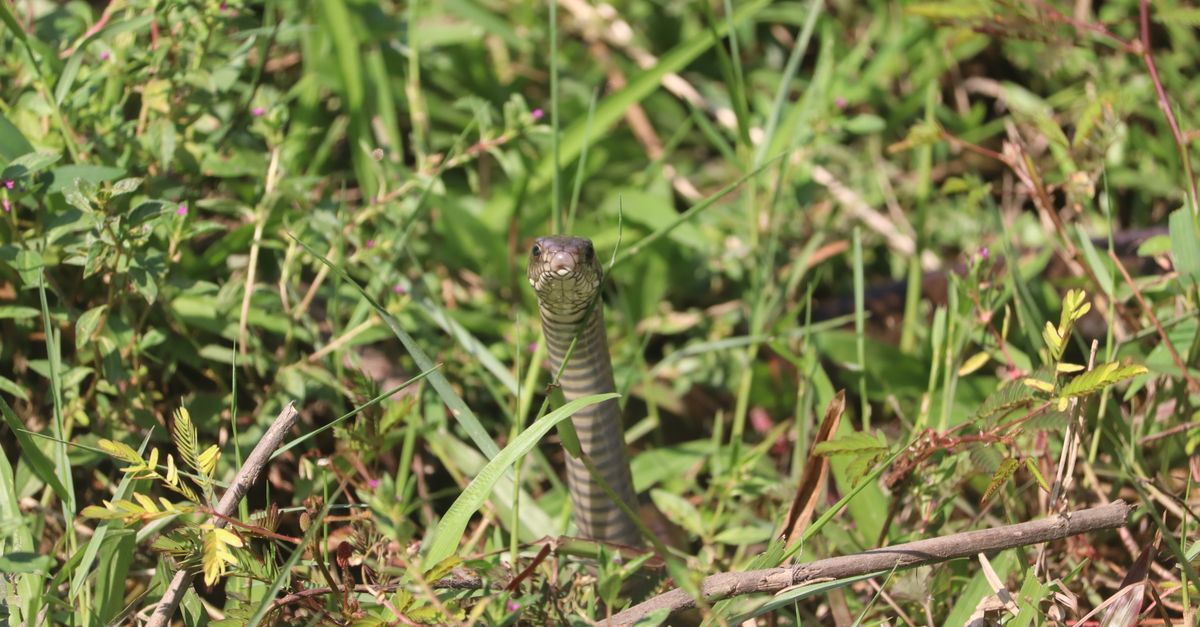
When a snake slithers into your backyard or a swarm of insects starts to clog your kitchen, the first instinct is to act fast. But choosing the right removal service can make the difference between a quick fix and long‑term damage. This guide breaks down what to look for in snake removal services, insect removal services, bird control services, custom pest control plans, and how to prevent pest damage before it starts.
1. Understanding the Scope of Pest Removal
Pest removal is more than just getting rid of unwanted wildlife. It’s about restoring balance while protecting your property, health, and peace of mind. A competent service should:
- Identify the species accurately
- Use humane or safe methods as appropriate
- Offer preventive follow‑up options
- Provide clear documentation of work done
- Operate within local regulations and safety standards
In my experience, a provider that skips the assessment step often leaves gaps in coverage. That’s why I always ask for an on‑site evaluation before signing anything.
2. Evaluating Snake Removal Services
Snakes can be harmless or dangerous, and their removal requires specific skills. When looking at snake removal services, consider the following:
- Certification & Licensing: Ensure technicians hold state permits for handling reptiles.
- Methodology: Humane trapping is preferable; avoid poison unless absolutely necessary.
- Response Time: A 24‑hour emergency window can be crucial if the snake poses a threat to children or pets.
- Follow‑up: Providers should advise on habitat modifications that discourage future visits.
- Safety Records: Check for any incidents reported in local consumer reviews.
Practical Tips for Choosing the Right Snake Service
Ask potential contractors about their experience with specific species common to your region, such as rattlesnakes, garter snakes, or corn snakes. A reputable firm will have a clear protocol: they’ll use a glass cage or a specialized trap that keeps the snake contained until it can be released safely back into its natural habitat. Some companies also offer educational resources—like quick guides on how to keep your yard less attractive to reptiles—to empower homeowners after the job is done.
Key Takeaway: A licensed, humane approach not only protects the snake but also reduces future encounters by addressing root causes.3. Assessing Insect Removal Services
Insects range from harmless flies to destructive termites. Effective insect removal services focus on:
- Species Identification: Knowing whether you’re dealing with ants, cockroaches, or bed bugs changes the treatment.
- Integrated Pest Management (IPM): Combining chemical, biological, and environmental controls for sustainable results.
- Safety Protocols: Use of low‑toxic products in homes with children and pets.
- Monitoring & Reporting: Regular check‑ins to confirm eradication.
- Warranty or Follow‑up: Many reputable firms offer a 12‑month guarantee against re‑infestation.
Step‑by‑Step: How an IPM Approach Works in Practice
The first visit usually includes a thorough inspection of your living spaces, basements, and crawlspaces. The technician will place monitoring devices—like sticky traps or bait stations—to confirm the presence and activity level of the pest. Once confirmed, they’ll apply targeted treatments: for example, using an insect growth regulator (IGR) against bed bugs that disrupts their life cycle without leaving a strong chemical residue. After treatment, follow‑up visits help verify that the population has been suppressed below detectable levels.
In my experience, the firm that provided a detailed post‑service report was the most trustworthy and helped me understand how to keep bugs out long term.4. Selecting Bird Control Services
Birds can damage property, spread disease, and cause noise pollution. A quality bird control service should:
- Use Non‑lethal Deterrents: Netting, spikes, or sonic devices.
- Target Specific Species: Different birds require different deterrent strategies.
- Compliance with Wildlife Laws: Ensuring methods are legal and humane.
- Maintenance Schedule: Regular inspections to keep barriers effective.
- Customization: Tailored solutions for commercial vs. residential settings.
Common Bird Issues and Their Solutions
If you’re dealing with pigeons nesting on your roof, a combination of bird spikes and netting can be installed along ledges to block access while still allowing birds to fly freely elsewhere. For larger species like crows or ravens that may use the entire building as shelter, sonic deterrents coupled with motion‑activated lights create an environment they find uncomfortable, prompting them to relocate without harm.
5. Building Custom Pest Control Plans
A one‑size‑fits‑all approach rarely works. Custom pest control plans are built around:
- Site Assessment: Analyzing building structure, surrounding vegetation, and typical entry points.
- Risk Profile: Determining which pests pose the greatest threat to your property or health.
- Budget Constraints: Balancing cost with long‑term savings from prevention.
- Timeline Goals: Setting realistic milestones for eradication and monitoring.
- Performance Metrics: Defining clear indicators of success, such as reduction in pest sightings or damage reports.
The advantage of a custom plan is that it evolves with your property. It’s not a static contract; it adapts to changing conditions like new construction or seasonal influxes.
How to Collaborate With Your Provider on a Plan
During the initial consultation, ask for a written outline that details every stage—from inspection to treatment and follow‑up. A good provider will also propose a flexible payment structure: for example, a baseline monthly fee covering routine checks, with an add‑on charge if a specific infestation arises.
6. Preventing Pest Damage Before It Happens
Pest damage prevention is proactive, not reactive. Here are practical steps:
- Seal Cracks & Openings: Inspect foundations, windows, and doors for gaps.
- Control Moisture: Fix leaks, use dehumidifiers, and ensure proper drainage.
- Maintain Cleanliness: Store food in sealed containers; clean up crumbs promptly.
- Trim Vegetation: Keep shrubs trimmed away from the house to reduce nesting sites.
- Regular Inspections: Schedule quarterly checks with a professional to spot early signs of infestation.
Example: How Proper Drainage Stops Termites
Termites thrive in moist, cellulose‑rich environments. If your yard’s drainage slopes toward the foundation, you’re inadvertently creating a perfect habitat. Installing French drains or regrading soil to direct water away can reduce moisture levels by up to 50%, making the area less inviting for termites and other damp-loving pests.
7. Common Mistakes to Avoid
Even seasoned homeowners can fall into pitfalls that undermine pest control efforts:
- Relying on DIY Solutions: Many home remedies are ineffective and may worsen the problem.
- Ignoring Early Signs: Small infestations can quickly become costly.
- Choosing Cheapest Service: Low cost often means low quality, leading to repeated treatments.
- Lack of Documentation: Without records, it’s hard to track progress or hold providers accountable.
- Overlooking Legal Requirements: Some methods require permits or may be illegal.
Why Early Detection Saves Money and Stress
A single bed bug in a bedroom can multiply within days. If left unchecked, the infestation could spread to every room, requiring multiple treatments that cost more than the initial discovery visit would have covered. By acting on small signs—like dark spots or faint bites—you’re investing in long‑term peace of mind.
8. Cost Considerations & ROI
Pest control costs vary widely based on species, severity, and service scope. Typical ranges include:
- Snake removal: $150–$400 for a single incident.
- Insect eradication: $200–$1,000 depending on infestation level.
- Bird control installation: $300–$2,500 for structural deterrents.
- Custom plans: $50–$150/month for ongoing monitoring and maintenance.
When evaluating ROI, consider potential damage costs avoided—such as roof repair from bird droppings or medical bills from pest‑borne illnesses. A well‑executed plan can save thousands over a decade.
Calculating Your Savings: An Example
If you spend $120 per month on a custom plan, that’s $1,440 annually. If the same year you had to repair a roof damaged by pigeon droppings (average cost $3,000) and treat an allergic reaction in your child ($500), the net benefit is $2,060 saved for just one year of preventive care.
What factors do you prioritize when selecting a pest control provider for your home?


