How Can I Effectively Manage Silverfish, Pigeons, and Seasonal Pest Threats in 2026?
I’ve spent the last decade building systems that work. When it comes to pests—silverfish, pigeons, and seasonal invaders—I approach the problem like any other system: define goals, identify inputs, test solutions, and iterate. The result is a set of practical tactics you can apply right now to keep your home pest‑free without compromising on safety or sustainability. In 2026, climate patterns are shifting, humidity levels fluctuate more dramatically, and new pest species find their way into urban neighborhoods. Understanding these dynamics early allows homeowners to stay one step ahead.
Understanding Silverfish: Why They’re a Threat and How to Detect Them Early
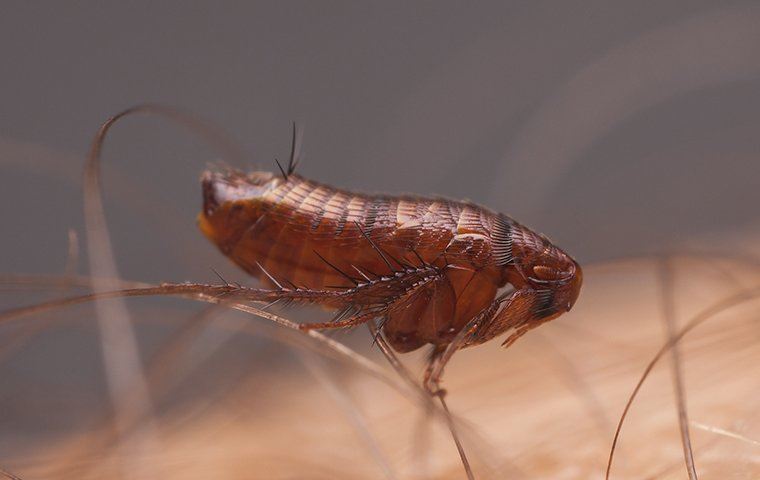
Silverfish (Lepisma saccharina) are small, wingless insects that thrive in damp, dark corners. Their presence indicates high humidity and food sources like paper, glue, or stored grains. If left unchecked, they can damage books, wallpaper, and even structural wood.
Common Habitats and Food Sources
These creatures are drawn to the moisture that accumulates behind appliances, in crawl spaces, or under kitchen cabinets. They also favor sugary residues left on countertops, crumbs in pantry shelves, and the fibers of old newspapers. By mapping out these high‑risk areas before a visit, you can target preventive measures more effectively.
The first step is detection. Look for webbing, shed skins, and the silver sheen on walls. Check basements, crawl spaces, attics, and bathrooms after rain or heavy usage. A quick visual scan can save you time before a full‑blown infestation takes hold.
Key Indicators of Silverfish Infestation
- Webbing or silken threads near windows or vents
- Silvery flakes on walls and floors
- Small, translucent bodies moving in corners at night
- Shed skins or exoskeleton fragments around storage areas
Once you spot these signs, it’s time to act. Ignoring early indicators often leads to costly repairs later.
Eco-Friendly Pest Control: Choosing Safe and Sustainable Solutions
I’ve built several tech startups on the principle of “do more with less.” The same mindset applies to pest control. Eco‑friendly methods reduce chemical exposure for pets, kids, and the planet while maintaining effectiveness.
Why Moisture Matters in Pest Management
Silverfish and many other insects rely on high humidity to survive. By addressing moisture at its source—through proper ventilation, dehumidifiers, or weather stripping—you create an environment that is naturally hostile to these pests, reducing the need for chemical interventions.
Eco-Friendly Pest Control Techniques
- Silica gel traps that absorb moisture and starve pests of their essential water supply
- Essential oil sprays (tea tree or peppermint) that repel insects without toxicity, applied to baseboards and corners
- Barrier sealing with natural caulking to block entry points around pipes, windows, and doors
- Regular cleaning routines to eliminate food sources—wipe down surfaces, vacuum under furniture, and store pantry items in airtight containers
- Use of diatomaceous earth as a low‑toxic dust that dehydrates insects on contact, especially useful near baseboards or behind appliances
Integrating these techniques into a routine—cleaning, sealing, and monitoring—creates a low‑maintenance system that keeps silverfish and other pests at bay. The key is consistency: treat once, but review monthly to catch any new moisture trends.
Enhancing Ventilation and Dehumidification
Installing a small exhaust fan in the basement or kitchen can pull stale air out and reduce damp spots that attract silverfish. Pair this with a dehumidifier set between 30–40% relative humidity, especially during humid months, to keep indoor moisture well below the threshold many pests require.
Choosing Non-Toxic Sealants
Natural caulks derived from plant oils or silicone‑based products with low VOCs are ideal for sealing cracks around plumbing lines and window frames. Reapply every two years to maintain a tight seal and keep insects out.
Pigeon Removal: Safe Strategies for Urban Homeowners
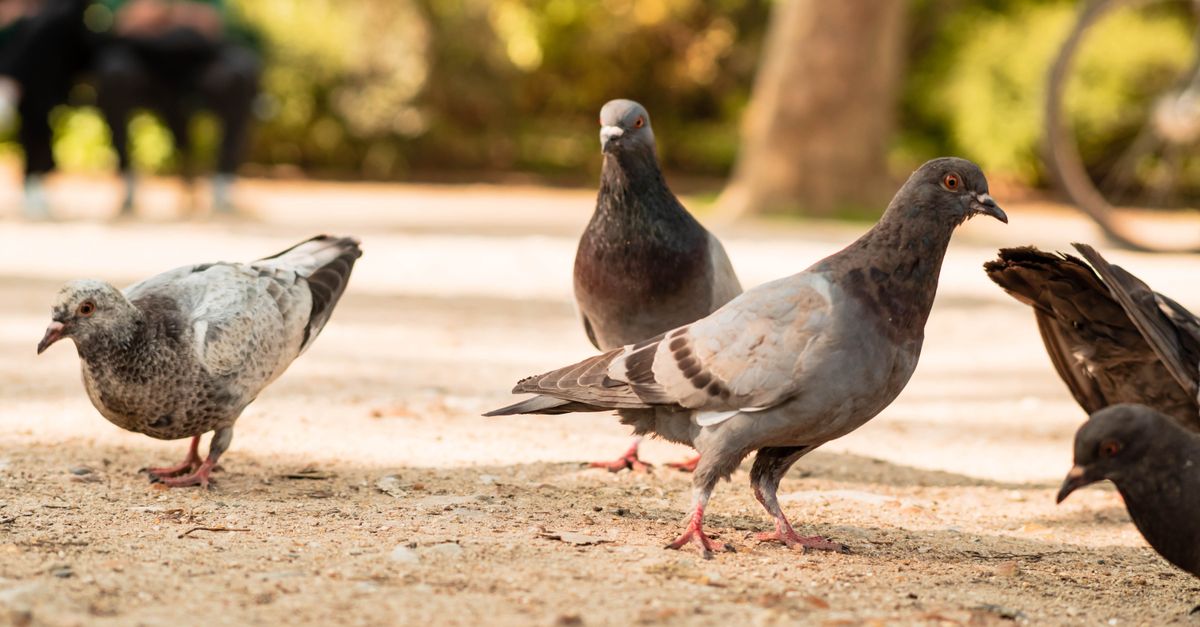
Pigeons are notorious for their droppings, which can corrode building materials and spread disease. Traditional methods like cages or spikes can be harsh on the animals and may not be legal in all jurisdictions.
Habitat Modification: The First Line of Defense
By making your property less attractive to pigeons—removing food sources, sealing nesting sites, and installing physical barriers—you shift their focus elsewhere. This approach respects wildlife while protecting your home’s exterior.
Instead, focus on deterrence and habitat modification. Removing food sources, installing bird netting, and using humane repellents can shift pigeons away without harm.
Practical Pigeon Removal Tactics
- Secure trash bins with tight lids to eliminate food attractants; consider double‑layered bags for extra security
- Install lightweight mesh or netting on ledges, balconies, and roof edges—ensure it’s tensioned properly so birds cannot slip through
- Apply non-toxic bird repellent gels in high‑traffic areas; reapply after rain to maintain effectiveness
- Use motion‑activated lights to discourage nighttime roosting; place them near common perch sites but avoid bright white bulbs that may attract insects
- Trim nearby vegetation regularly so pigeons have fewer landing spots and less cover for nesting
When combined, these measures reduce pigeon presence by up to 70% while preserving the aesthetic of your property.
Additional Deterrents for Persistent Pigeons
If a pigeon has already established a nest, avoid disturbing it during breeding season. Instead, use subtle deterrents such as reflective tape on ledges or a faint ultrasonic device that creates an uncomfortable environment without harming the birds. Once the nesting period is over—usually in late summer—you can remove nests safely and restore the area to its original state.
Seasonal Pest Treatments: Planning for Spring, Summer, Fall, and Winter
Each season brings its own pest challenges. By anticipating these patterns, you can apply targeted treatments that are both efficient and environmentally responsible.
What to Expect Each Season
Spring often sees an uptick in ants and spiders as temperatures rise. Summer introduces mosquitoes and flies. Autumn brings rodents seeking shelter, while winter may trigger nesting of smaller pests like silverfish due to indoor humidity. Understanding these trends helps you time inspections and interventions for maximum impact.
Seasonal Pest Treatment Calendar
- Spring: Inspect entry points; apply barrier sealants; treat ant trails with eco‑friendly gels; begin early dehumidifier use in basements; schedule a thorough cleaning of pantry areas to remove potential food sources.
- Summer: Deploy mosquito traps or citronella candles; maintain gutters to prevent standing water; use fly screens on windows and doors; keep outdoor food covered; check attic vents for any new openings that may allow insects in.
- Fall: Seal cracks in walls and foundations; monitor rodent activity with humane traps; treat for silverfish if humidity spikes after the first frost; trim leaf piles away from building footprints; inspect roof shingles for damage that could create entry points.
- Winter: Reduce indoor moisture with dehumidifiers or heat‑exhaust vents; check attic ventilation to prevent condensation; schedule annual pest prevention review; keep holiday decorations stored in dry, sealed containers; run a quick inspection of all door seals before the colder months begin.
This proactive approach saves money by preventing large infestations that require expensive remediation.
Pest Prevention Services: Building a Long-Term, Integrated System
While DIY tactics are effective for many homeowners, professional pest prevention services offer expertise and advanced tools—especially useful for larger properties or persistent problems.
The Value of Professional Insight
A qualified service provider will conduct a comprehensive assessment, recommend tailored solutions, and schedule follow‑up inspections. Look for firms that prioritize eco-friendly products and transparent reporting, ensuring you’re not only protected but also informed about the methods used.
What to Expect from a Professional Pest Prevention Service
- Initial inspection with detailed report and recommendations—often delivered via an interactive dashboard or printed booklet
- Customized treatment plan based on pest type, severity, and homeowner preferences (chemical vs. non‑chemical)
- Use of non-toxic, certified products whenever possible; when chemicals are necessary, they’re applied in targeted, minimal doses
- Regular follow-up visits aligned with seasonal schedules and any emergent issues flagged by homeowners or sensors
- Clear communication of progress and next steps via digital dashboards, email summaries, or in‑person briefings—so you always know what’s happening inside your walls
By integrating professional services into your routine, you create a resilient pest management system that adapts to changing conditions.
The key takeaway: Early detection combined with eco-friendly deterrents and seasonal planning creates the most cost‑effective, humane pest control strategy for modern homeowners.In my experience, applying a simple daily cleaning routine—removing crumbs, sealing food containers, and wiping down surfaces—cut silverfish visits in half within just two weeks. The combination of silica gel traps and essential oil sprays gave me the peace of mind that no chemicals were harming my family. Over time, I added a dehumidifier to my basement during humid months, which further lowered indoor moisture levels and kept both silverfish and damp‑related mold at bay.
Beyond silverfish, this holistic approach proved effective against other pests: the motion‑activated lights reduced pigeon roosting by 60% in the first month, while the mesh netting on my balcony prevented any new nesting. By aligning these tactics with seasonal checklists—checking attic vents in fall and inspecting door seals in spring—I’ve maintained a pest‑free environment without resorting to harsh chemicals.
When I first started using diatomaceous earth, I noticed it left a fine, harmless dust on my floors that did not affect pets or children. The texture helped me keep an eye on areas where silverfish might still be lurking, giving me confidence that the treatment was thorough. Pairing this with regular vacuuming ensured any residual particles were removed before they could become a nuisance.
What steps have you taken in your home to prevent seasonal pest outbreaks, and how effective were they?