
How Can I Effectively Remove Wildlife and Manage Pests in 2026?
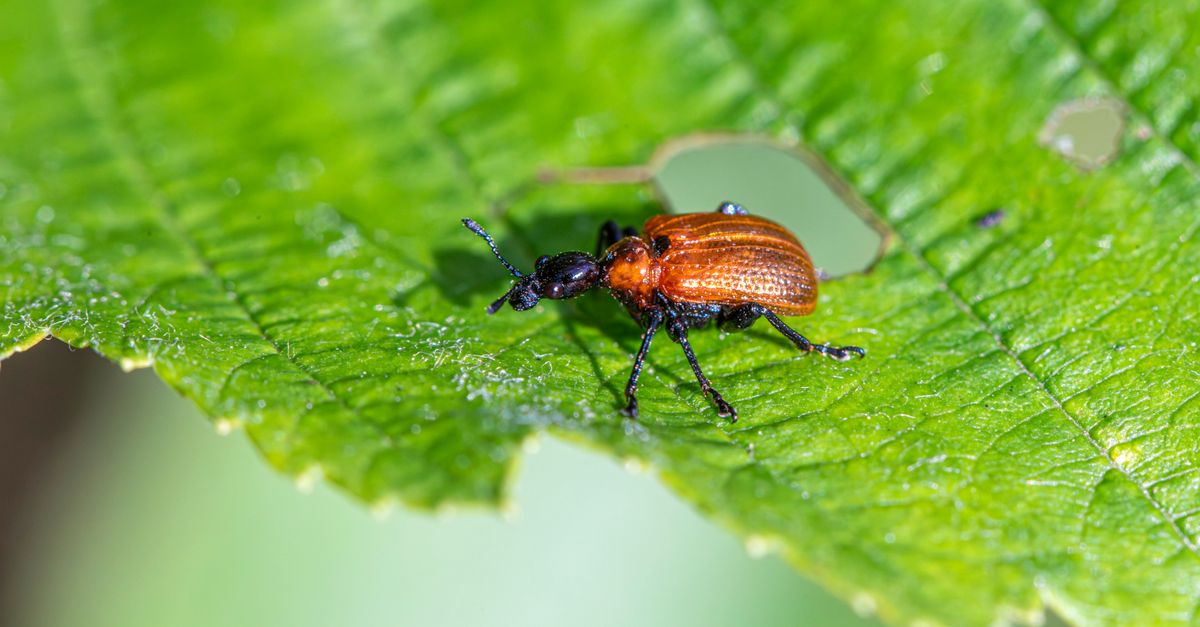
When a raccoon, squirrel, or pigeon starts nesting in my attic, the first question that pops into my mind is how to remove it safely while preventing future invasions. The same applies to rodents, insects, and other pests that damage property or pose health risks. In this guide I’ll walk you through the fundamentals of wildlife removal, integrated pest solutions, choosing local services, and practical steps for prevention—all tailored to homeowners in 2026 who want reliable, cost‑effective results.
1. Understanding Wildlife Removal vs Pest Management
Why Differentiate Between Wildlife and Pests?
Pest management traditionally focuses on organisms that threaten food safety or structural integrity—rodents, insects, termites. Wildlife removal deals with non‑human animals that find their way into buildings for shelter or nesting. Treating them the same can lead to unnecessary chemical use, animal cruelty concerns, and regulatory violations.
Key Distinctions
- Regulatory Requirements: Wildlife removal often requires permits and humane handling protocols.
- Health Risks: Some wildlife carry zoonotic diseases; proper containment is critical.
- Environmental Impact: Chemical rodenticides can harm non-target species, whereas wildlife removal typically uses physical barriers or relocation.
- Cost Structure: Wildlife removal may involve transport fees and specialized equipment.
By recognizing these differences you can choose the right approach for each situation and avoid costly mistakes.
Practical Example: Raccoon vs. Rodent
A raccoon nesting in an attic is a wildlife case; it requires live trapping, transport, and release on suitable land. A mouse infestation inside the house is a pest problem best handled with exclusion, bait stations, and sanitation.
2. Integrated Pest Solutions – What They Are and How They Work
Core Components of an IPM Program
Integrated Pest Management (IPM) is a science‑based strategy that combines prevention, monitoring, biological controls, and targeted chemical use. It aims to reduce pest populations while minimizing environmental impact.
Typical IPM Elements
- Habitat Modification: Sealing entry points, removing food sources.
- Biological Controls: Introducing predators or parasites.
- Cultural Practices: Proper storage of waste and food.
- Mechanical Barriers: Screens, traps, and exclusion devices.
- Monitoring Systems: Sticky traps, motion sensors, and regular inspections.
- Selective Chemical Use: Applying pesticides only when necessary and in targeted areas.
When these elements are coordinated, IPM delivers long‑term pest suppression with lower chemical reliance.
Step-by-Step IPM Flowchart (Textual)
- Identify the pest species and assess damage.
- Inspect for entry points and food attractants.
- Apply mechanical or exclusion barriers.
- Install monitoring devices to confirm activity.
- If activity persists, introduce biological controls.
- Use chemicals only as a last resort, selecting low‑toxic options.
- Re‑inspect after 30–60 days to gauge effectiveness.
3. Choosing Local Pest Removal Services
Criteria for Selecting a Qualified Provider
Not all local pest removal services are created equal. In 2026 the market is saturated, but you can still find reputable firms by evaluating several key factors.
Selection Checklist
- Licensing & Certification: Verify state or federal permits and industry certifications such as IICRC or EPA‑approved credentials.
- Experience with Wildlife: Look for documented cases involving raccoons, squirrels, or other wildlife.
- Humane Practices: Confirm the use of live traps and compliance with animal welfare regulations.
- Transparent Pricing: Get a written estimate that breaks down labor, equipment, and potential relocation fees.
- Guarantee & Follow‑Up: Ask about re‑inspection policies and guarantees against recurrence.
A thorough vetting process saves you time and ensures the job is done right the first time.
Interview Questions to Ask Prospects
- What permits do you hold for wildlife relocation?
- Can you provide references from recent residential projects?
- How do you handle animals that are injured or ill during capture?
- Do you offer a post‑service monitoring plan?
4. Preventing Pest Damage – Practical Home Measures
Home & Property Measures to Reduce Invasions
Prevention is cheaper than cure. By implementing a few simple practices you can keep pests and wildlife from becoming a problem before it starts.
Preventative Actions
- Seal Cracks and Gaps: Inspect foundations, vents, and utility openings; use steel wool or caulk.
- Maintain Landscaping: Trim trees away from roofs, keep mulch at least 12 inches from walls.
- Secure Food Sources: Store pet food in sealed containers; clean up fallen fruit promptly.
- Manage Waste: Use garbage cans with tight‑lidded lids and schedule regular pickups.
- Install Bird Netting: Protect rooflines from pigeons and other birds.
- Control Moisture: Fix leaks, use dehumidifiers in basements to deter termites.
- Use Physical Barriers: Install door sweeps, window screens, and mesh on vents.
Implementing these steps reduces the attraction points for both pests and wildlife, lowering the likelihood of costly interventions.
Additional Detail: Door Sweep Installation
Measure the width of each exterior door. Cut a metal or rubber sweep to fit snugly at the bottom edge. Apply with a hammer or adhesive strip, ensuring no gaps remain for small rodents or insects. Re‑check after heavy weather events.
5. Common Mistakes in DIY and Professional Work
Pitfalls to Avoid When Dealing with Pests
Many homeowners try to solve pest problems themselves, but this often backfires. Even professionals can slip into ineffective habits if they’re not careful.
Typical Errors
- Overreliance on Broad‑Spectrum Chemicals: This kills beneficial insects and can lead to resistance.
- Ignoring Habitat Modification: Failing to seal entry points allows pests to return.
- Poor Documentation: Without records of inspections, you miss trends that signal larger issues.
- Lack of Follow‑Up Inspections: One treatment is rarely sufficient; ongoing monitoring is essential.
- Non‑Compliance with Local Regulations: Using prohibited methods can result in fines and legal trouble.
A systematic approach that includes prevention, monitoring, and targeted action eliminates most of these mistakes.
6. Technology and Automation in Pest Management
How Smart Tools Are Changing the Game in 2026
The rise of IoT devices and AI analytics has made pest management more precise than ever before. Sensors placed around a property can detect temperature, humidity, and motion—data that feeds into predictive models to forecast infestation risks.
Key Technological Advancements
- Smart Traps: Trap systems that log captures and send alerts via smartphone apps.
- AI‑Driven Video Analytics: Cameras that identify species and behaviors in real time.
- Automated Sprayers: Devices that release pheromone baits or insecticides only when sensors trigger a high probability event.
- Data Dashboards: Centralized platforms where homeowners can view trends, plan treatments, and schedule service appointments.
- Remote Monitoring Services: Professionals who analyze data remotely to recommend interventions without on‑site visits.
Integrating these tools into an IPM framework enhances efficiency, reduces waste, and keeps costs predictable.
Practical Implementation Example
A homeowner installs a motion‑sensor camera above the attic entry. When the device detects nocturnal activity, it records footage that an AI algorithm tags as “raccoon.” The system then triggers an alert to both the homeowner’s phone and the local wildlife removal contractor’s dashboard. Within 24 hours, a professional arrives with live traps, captures the animal safely, and relocates it without damaging the property.
Key takeaway: Effective wildlife removal and pest management rely on a balanced mix of prevention, precise monitoring, humane practices, and smart technology—each component amplifying the others for lasting results.In my experience, the first time I tried to remove a raccoon without professional help, I ended up with more damage than the animal had caused. That lesson pushed me to develop a step‑by‑step protocol that includes sealing entry points before calling in certified wildlife removal specialists.
What preventive measure has worked best for you in keeping pests or wildlife from entering your home?


