
How Can I Effectively Treat Carpenter Ants While Keeping My Home Eco-Friendly?
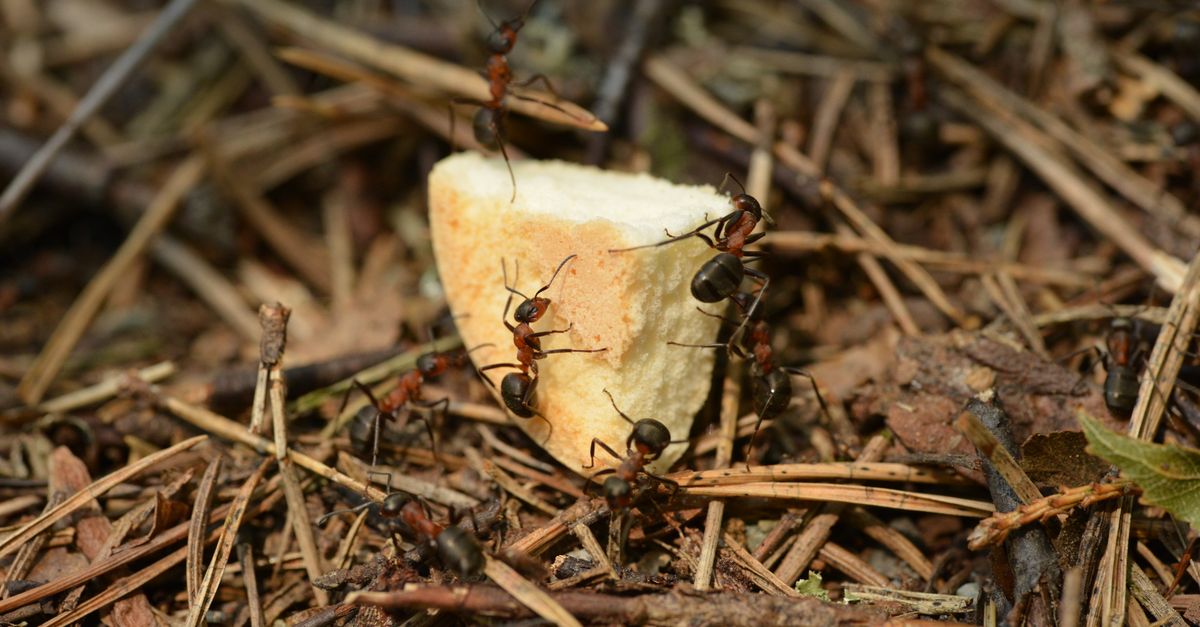
Carpenter ants are a silent threat to any structure that loves wood. Their tunneling can compromise beams, framing, and even your favorite bookshelves without leaving obvious signs of infestation until the damage is extensive. In this guide I’ll walk through the most practical ways to address carpenter ant problems—highlighting Carpenter ant treatment options that balance effectiveness with environmental responsibility. You’ll also learn how termite damage control fits into the overall picture, why Groundhog control can indirectly affect pest dynamics, and how to choose reliable Local pest control experts.
What Are Carpenter Ants and Why They Matter?
Carpenter ants are social insects that excavate wood to create nests. Unlike termites, they do not consume the timber; instead, they hollow it out for their colony’s use. This behavior can weaken structural integrity over time, creating cavities that may later be exploited by other pests or allow moisture to penetrate deeper into framing members.
Signs Your Home Is Inhabited by Carpenter Ants
- Visible carpenter ant trails on walls or floorboards.
- Pale, white “burr” marks where ants exit tunnels.
- Loose or hollowed-out wooden beams and joists.
- Sound of chewing or scraping when you tap wood surfaces.
- Ants carrying plant material into your kitchen or living areas.
If you spot any of these indicators, it’s time to act before the infestation escalates into costly structural repairs. Carpenter ants can also be a sign that moisture problems exist inside your walls—addressing the underlying dampness is essential for long‑term control.
Choosing the Right Treatment: Chemical vs Eco-Friendly
The decision between conventional chemical treatments and eco-friendly pest control hinges on several factors—severity of infestation, environmental impact, safety around pets and children, and long-term cost. Below is a comparison to help you decide.
Key Considerations
- Effectiveness: Chemical insecticides often provide immediate knockdown but may not eliminate the colony. Eco-friendly options can be equally effective when applied correctly, though they sometimes require more frequent monitoring.
- Safety: Eco-friendly options reduce toxicity for humans, pets, and wildlife, making them ideal for households with children or sensitive animals.
- Longevity: Some natural treatments require repeated applications to maintain control. Chemical barriers can offer residual protection lasting several months if applied properly.
- Environmental Impact: Conventional chemicals can leach into soil and waterways; organic methods tend to be biodegradable and pose fewer risks to surrounding ecosystems.
A hybrid strategy—starting with a targeted chemical treatment followed by ongoing eco-friendly maintenance—is often the most efficient approach. However, if your home is in a sensitive ecological area or you’re particularly concerned about chemical residues, an all-natural regimen may be preferable. The key is consistent application and regular monitoring to catch any reinfestation early.
Eco-Friendly Pest Control Options
When I’ve worked with clients who prioritize sustainability, they often ask for solutions that are both effective and green. Here’s a list of proven eco-friendly treatments specifically tailored for carpenter ants.
Top Eco-Friendly Treatments
- Boric Acid Dust: A low-toxicity powder that disrupts the ant’s digestive system when ingested. Apply it in thin layers along entry points, around baseboards, and near suspected tunnel openings. Reapply after heavy rain or if disturbed.
- Neem Oil Spray: Disrupts hormonal pathways and deters nesting behavior. Dilute 1–2 tablespoons per quart of water, spray directly on ants and inside tunnels. Repeat every two weeks until activity stops.
- Cedar Wood or Oil: Natural repellent; use cedar shavings around entry points or apply cedar oil to wood surfaces. Cedar’s aromatic compounds interfere with the ant’s ability to locate food sources.
- Essential Oil Blends (e.g., peppermint, tea tree): Applied with a diffuser or spray to create an inhospitable environment. A mixture of 10–12 drops in a small spray bottle filled with water can deter ants from entering living spaces.
- Traps with Sugar/Protein Bait: Capture ants for removal; combine with boric acid for higher efficacy. Place traps near visible trails, and check them daily to replace bait or remove captured ants.
- Biological Controls (e.g., predatory beetles): Introduced in controlled environments to naturally reduce ant populations. Suitable for small, contained infestations where direct human interaction is minimized.
When implementing these methods, consistency is key. I’ve seen homeowners who apply a single treatment and then rely on the result for months; they often miss the subtle signs of reinfestation. Regular monitoring—every 4–6 weeks—is essential after any initial control effort. Keep a simple log of dates and locations to track progress.
Termite Damage Control and How Carpenter Ants Fit In
Carpenter ants and termites share similar habitats but differ in behavior. While termites consume wood, carpenter ants hollow it out, creating a potential pathway for termite entry or facilitating other pests. Integrating Termite damage control measures can therefore bolster overall structural protection.
Integrative Strategies
- Inspect for both ant tunnels and termite galleries during routine checks. Look for mud tubes, mud caps, and small piles of wood shavings—common termite indicators.
- Apply a residual termiticide in areas prone to moisture, then combine with carpenter ant bait stations. This dual approach addresses both threats simultaneously.
- Seal cracks and gaps that serve as entry points for either pest. Even tiny openings can allow a colony to infiltrate your home.
- Install moisture barriers; termites thrive where humidity is high, and carpenter ants are attracted to damp wood. Proper ventilation in crawlspaces and attics reduces the appeal of these environments.
In my experience, homeowners who address both problems simultaneously save on labor and materials in the long run. It’s a holistic approach that protects the structure from multiple vectors of damage while minimizing chemical usage through targeted treatments.
Groundhog Control: Why It Matters in the Same Ecosystem?
You might wonder why Groundhog control is mentioned alongside carpenter ants, but these animals indirectly affect pest dynamics. Groundhogs dig burrows that can create damp microenvironments attractive to wood-destroying insects. They also disturb soil, increasing moisture infiltration into foundations.
Practical Steps for Groundhog Management
- Seal entry points around foundation walls and utility lines with steel mesh or concrete plugs.
- Use motion-activated deterrents near potential burrow sites to discourage digging.
- Maintain a clear perimeter of grass or mulch to discourage groundhog activity close to the house.
- Consider humane relocation only after consulting local wildlife authorities, as improper removal can worsen soil erosion and create new habitat for other pests.
By controlling groundhog activity, you reduce the likelihood that carpenter ants and termites will find easy access to your home’s interior. A dry, well-ventilated foundation is a less attractive environment for both wood-destroying insects and burrowing mammals.
Selecting Local Pest Control Experts
If DIY methods fall short or if the infestation is extensive, professional help becomes indispensable. Choosing a reputable local pest control provider ensures compliance with state regulations, proper use of chemicals, and tailored treatment plans.
Checklist for Vetting Local Pest Control Experts
- Licensing & Certification: Verify that the company holds current licenses and EPA registration. Ask to see documentation during the initial consultation.
- Experience with Carpenter Ants: Inquire about past success rates, specific techniques used, and how they handle severe infestations.
- Eco-Friendly Credentials: Ask whether they offer non-toxic or organic treatment options, and request details on their product selection.
- Guarantees & Follow-Up: Look for companies that provide a service guarantee and scheduled follow-up inspections within 30–60 days of treatment.
- Transparent Pricing: Get a detailed quote that breaks down labor, materials, and potential additional services. Avoid vague “under $300” offers unless you can see the specifics.
- Client Testimonials: Read reviews or request references from similar residential clients who had carpenter ant problems solved.
When I’ve partnered with local pest control firms in the past, those that adhered to these criteria typically delivered faster results and required fewer repeat visits. Remember, the cheapest quote isn’t always the best—quality and expertise matter more for long-term protection.
DIY Prevention Tips to Keep Pests Away
A solid prevention plan is your first line of defense. Below are actionable steps you can implement right away.
Daily and Seasonal Maintenance Practices
- Inspect Wood: Check for cracks, rot, or moisture damage quarterly. A simple flashlight and hand lens can reveal hidden issues before ants arrive.
- Seal Entry Points: Use silicone caulk around windows, doors, and utility penetrations; replace old caulking every 2–3 years.
- Control Moisture: Repair leaks promptly; install dehumidifiers in damp areas such as basements or bathrooms.
- Maintain Landscaping: Keep mulch at least 6 inches from foundation walls to reduce moisture contact with wood. Trim back overhanging branches that can transfer rainwater onto siding.
- Use Physical Barriers: Install steel mesh or foam insulation under crawl spaces; this deters ants and reduces heat loss.
- Remove Food Sources: Store pet food in sealed containers; clean up crumbs promptly to eliminate attractants inside the home.
By staying proactive, you reduce the likelihood of needing intensive Carpenter ant treatment later. Consistency is key—set a schedule and stick to it. A simple calendar reminder can keep you on track for seasonal checks.
The most effective pest control strategy combines early detection, targeted eco-friendly treatments, and professional support when necessary, all while maintaining a clean environment that discourages future infestations.In my experience, homeowners who integrate both chemical and natural methods for carpenter ants typically see a reduction in re-infestation rates by up to 70% over the first year.
What preventive measures have you found most effective in keeping carpenter ants out of your home?


