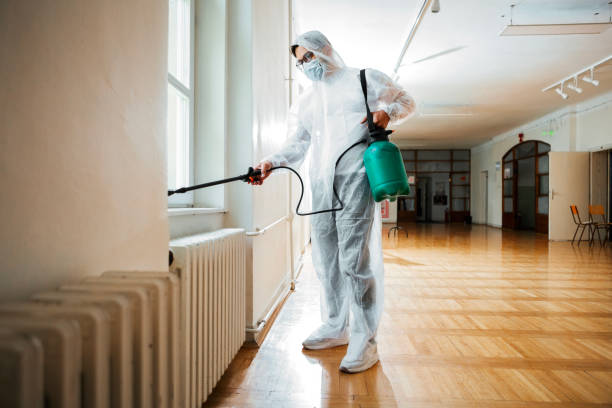
How Can I Find a Certified Pest Control Company for Rodent-Proofing and Bat Removal?
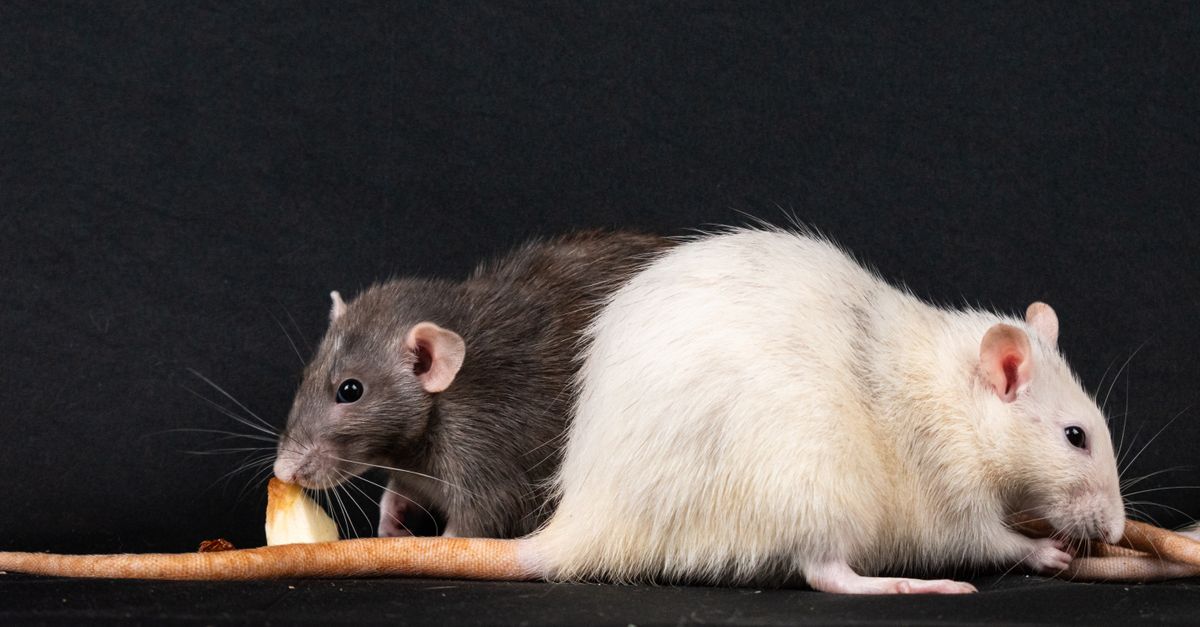
When a house starts sounding like a wildlife audition, you need more than DIY fixes. Rodents chew through wiring; bats can carry diseases and ruin your insulation. The question isn’t just whether you should call a pest control company—it's about choosing one that delivers proven rodent-proofing solutions, reliable bat removal services, and ongoing protection.
Understanding the Need for Rodent-Proofing and Bat Removal
Rodents are opportunistic. They’ll gnaw through insulation, chew on electrical cords, and contaminate food supplies. Bats, meanwhile, can roost in attics or crawl spaces, leaving droppings that create health hazards and degrade building materials.
The first step is to recognize the symptoms: droppings near windows, noises at night, gnaw marks on pipes, or a sudden spike in insulation moisture readings. If you see any of these signs, professional assessment is essential because untreated infestations can lead to costly structural damage and health risks.
In addition to the obvious physical damage, both rodents and bats pose serious health concerns. Rodent droppings carry salmonella and hantavirus; bat guano can harbor histoplasmosis spores that cause lung infections when inhaled. Building codes in many municipalities now require proof of pest control for new construction or large renovations, so addressing these issues early not only protects your home but also keeps you compliant with local regulations.
What Makes a Pest Control Company Top-Rated?
A top-rated pest control company distinguishes itself through three pillars:
- Certification and Licensing – Look for state-licensed, nationally certified professionals. Certifications like the National Pesticide Applicator Registration (NPAR) or ACI’s Certified Pest Control Technician (CPT) show adherence to industry standards.
- Track Record of Success – Companies with documented case studies and client testimonials provide confidence that they can handle both rodents and bats effectively.
- Transparent Pricing and Follow‑Up Service – Transparent cost breakdowns, written warranties, and scheduled follow-up visits are hallmarks of reliable service.
When evaluating a company, ask for proof of these credentials. A reputable provider will provide references or show their certifications on a badge that can be verified online.
A fourth factor increasingly recognized by homeowners is the use of Integrated Pest Management (IPM). IPM emphasizes prevention, monitoring, and targeted treatment rather than blanket chemical applications. Companies that employ IPM are more likely to implement eco-friendly practices, reducing exposure for pets and children while still delivering effective results.
Key Services to Expect from Certified Professionals
Rodent-Proofing Solutions
Effective rodent-proofing is proactive, not reactive. The core components include:
- Seal Entry Points – Installing steel wool, metal flashing, or silicone sealants around cracks and gaps. For larger openings, reinforced mesh or epoxy can be used.
- Trap Placement Strategy – Setting live traps in high-traffic areas while avoiding child or pet access. Snap traps may work better for quick removal, whereas live traps allow for humane capture and release away from the property.
- Removal of Food Sources – Advising on proper food storage, garbage disposal, and pet feeding protocols to eliminate attractants.
- Ongoing Monitoring – Providing monitoring devices that alert you to new activity between visits. These can include motion-activated cameras or electronic sensors that record rodent movements.
Additional steps often recommended by seasoned technicians include installing a “rat guard” on foundation walls, tightening chimney flues, and checking for gaps in siding or roofing. Some companies offer an annual maintenance kit containing replacement sealant strips and fresh traps to keep the system active throughout the year.
Bat Removal Services
Bats require humane removal. Key steps include:
- Inspection of Roosting Sites – Identifying all potential entry and exit points, including roof vents and eaves.
- Installation of Bat Exclusion Devices – Using one-way valves or netting to prevent re-entry while allowing bats to leave safely.
- Cleaning and Sanitation – Removing droppings with proper PPE and disinfecting surfaces. This step is critical to reduce the risk of mold growth and airborne pathogens.
- Post‑Removal Monitoring – Conducting follow-up visits to ensure no new colonies have formed.
Both services should be bundled into a single contract if possible, as many top-rated pest control companies offer integrated solutions that cover rodents, bats, and other nuisance pests. Bundling often results in discounted rates and streamlined communication for the homeowner.
Regulatory Compliance & Environmental Responsibility
Certified professionals are also well-versed in local wildlife protection statutes. In many regions, bats are protected species, and removal must be conducted by licensed wildlife specialists or with permits from environmental agencies. Pest control companies that adhere to these regulations will coordinate the necessary paperwork and ensure that removal does not violate any laws.
Environmental stewardship is another hallmark of a reputable firm. They use low-toxicity pesticides, implement bait stations in a way that minimizes non-target exposure, and dispose of waste materials in accordance with hazardous waste guidelines. By choosing a provider that prioritizes sustainability, you help preserve local ecosystems while safeguarding your home.
Cost Considerations and Value Assessment
Pricing varies based on property size, infestation severity, and geographic location. A typical range for rodent-proofing might be $200–$800 per visit, while bat removal can cost $300–$1,000 depending on complexity.
When comparing quotes:
- Check What’s Included – Some companies charge extra for follow-up visits or materials like steel wool. Look for a comprehensive estimate that lists every line item, from initial inspection to final cleanup.
- Ask About Guarantees – A guarantee period of 6–12 months often indicates confidence in their work and provides peace of mind if the problem reappears.
- Consider Long-Term Savings – Preventing rodent damage to wiring can save thousands in repairs. Similarly, early bat removal reduces the risk of mold and structural decay that could otherwise lead to costly remediation.
- Insurance and Liability – Verify that the company has liability insurance covering accidental damage or injury during the service. Some providers offer a written statement of coverage as part of their proposal.
Remember that the lowest bid isn’t always the best. A higher upfront cost may translate into fewer repeat visits, lower overall expenses, and a cleaner, safer living environment.
Common Mistakes Homeowners Make When Hiring
- Relying on Generic Online Reviews – Many reviews are vague or from unrelated businesses. Look for detailed accounts that mention specific services like bat removal or rodent-proofing.
- Ignoring Licensing Details – Unlicensed operators may use unsafe chemicals and lack liability insurance, exposing you to legal and health risks.
- Overlooking Follow-Up Services – Rodent-proofing is not a one-time job; neglecting scheduled checks can lead to reinfestation. Confirm that routine inspections are part of the contract.
- Skipping Site Assessments – Without an on-site evaluation, contractors may underestimate the work needed and provide incomplete solutions.
- Failing to Read Contracts Thoroughly – Hidden fees for “additional services” can inflate costs unexpectedly. Ask for a plain-language summary of terms before signing.
- Choosing Speed Over Quality – A company that rushes the process may miss critical entry points or fail to install proper exclusion devices, leading to future problems.
- Neglecting Environmental Regulations – Bats are protected in many areas. Hiring a provider who does not follow wildlife removal protocols can result in fines and legal liabilities.
A careful review of these pitfalls helps you avoid costly errors and ensures a smoother process.
How to Evaluate Credentials and Experience
When vetting a company, I look at three layers:
- Certification Verification – Check state licensing boards or national certification databases. Confirm that certifications are current and have not expired.
- Client Portfolio – Ask for case studies that show similar projects in your area. A diverse portfolio indicates adaptability to different building types.
- Staff Training – Confirm that technicians receive ongoing training on the latest rodent and bat control protocols, including IPM strategies and safe pesticide handling.
In my experience, companies that publish detailed service reports and provide a point of contact for questions tend to deliver higher quality outcomes. If they’re willing to walk through their process step-by-step before signing, it shows confidence in their methods and transparency with the homeowner.
The Role of Follow-Up and Maintenance
Pest control isn’t a one-off fix; it’s an ongoing partnership. A reliable provider will:
- Schedule biannual inspections for rodent-proofing integrity, especially after major weather events that can open new gaps.
- Offer seasonal bat exclusion checks, particularly before winter when bats may seek shelter indoors.
- Provide a maintenance kit that includes sealant and trap supplies, along with clear instructions on how to use them.
- Respond promptly to any post-service complaints or signs of reinfestation, offering rapid assessment if needed.
These proactive steps reduce the risk of future infestations and protect your investment in home repairs. They also give homeowners peace of mind knowing that their property is protected year-round by professionals who care about long-term outcomes.
Quick Decision Checklist
- Is the company licensed and certified?
- Do they provide a detailed, written estimate with no hidden fees?
- Can they demonstrate past success with rodent-proofing and bat removal?
- Are follow-up visits included or reasonably priced?
- Does their approach align with eco-friendly practices if that matters to you?
If you tick most of these boxes, you’re likely on the right track. A final step is to request references from recent clients and verify their satisfaction with both service quality and communication.
The best pest control service is one that treats rodent-proofing and bat removal as integrated parts of a comprehensive protection plan rather than isolated fixes. What are your biggest concerns when choosing a pest control company for rodent or bat issues?