
How Can I Find Reliable Pest Exterminators Near Me?
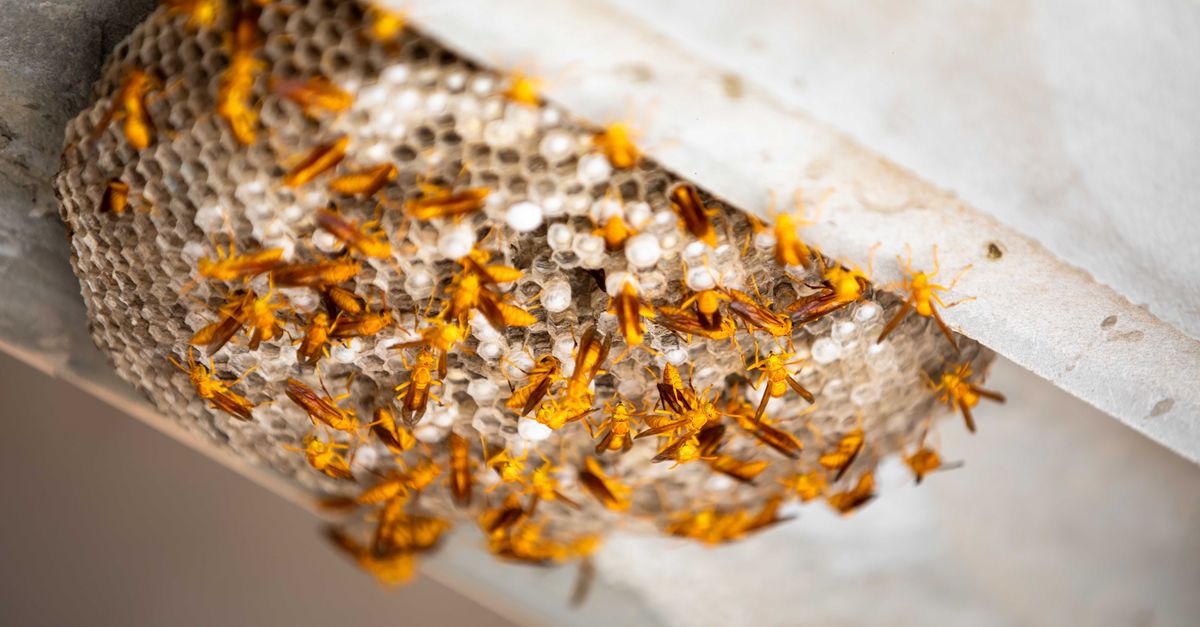
I’ve spent years building systems that eliminate friction and bring clarity to complex problems. When it comes to protecting my home, the same principles apply: reliable pest exterminators are essential for safety, health, and peace of mind.
The most critical factor in choosing a pest control provider is verifying their credibility—certifications, insurance, and a proven track record of pet‑safe treatments.1. Why Reliable Pest Exterminators Matter for Home Safety
Pests are more than just an annoyance; they can bring serious health risks, structural damage, and emotional distress. For instance, bed bugs carry bacteria that can cause allergic reactions and skin infections, while rodents often spread hantavirus and salmonella through their droppings. Termites, on the other hand, silently chew through wood framing, compromising a home’s structural integrity.
A reputable exterminator uses evidence‑based methods that minimize risk to humans and animals while ensuring long‑term results. They will conduct a thorough assessment, identify the species involved, and design a treatment plan tailored to your specific situation rather than applying a one‑size‑fits‑all pesticide spray.
I’ve seen homes where an unqualified contractor left behind toxic residues that harmed pets and children. That experience taught me the importance of a provider who prioritizes safety as much as effectiveness.
Key Features of a Trustworthy Pest Control Service
- State‑licensed technicians with up‑to‑date training
- Comprehensive liability insurance covering accidental damage
- Transparent pricing and detailed service agreements
- Use of EPA‑approved, pet‑safe chemicals or non‑chemical methods when appropriate
- Follow‑up visits to confirm eradication and prevent re‑infestation
- Positive customer reviews verified through independent platforms
These criteria help me filter out providers who offer quick fixes at the expense of long‑term safety.
Beyond the basics, a reliable service will also provide clear documentation of all treatments performed—so you can track which chemicals were used and when. This record is invaluable if future inspections or health concerns arise. Furthermore, many reputable companies offer an on‑site consultation that includes a detailed inspection report; this transparency builds trust from day one.
2. How to Identify Reputable Providers When Searching “Pest Control Near Me”
The internet can overwhelm with options, but a systematic approach cuts through noise. I rely on data points that correlate with quality and reliability.
When you type “pest control near me,” the top results often include local agencies, national chains, and independent specialists. Evaluate each based on the following checklist.
Evaluation Checklist for Local Pest Control Services
- Search engine ranking coupled with consistent positive reviews
- Presence of a professional website that lists certifications and service areas
- Clear contact information: phone, email, physical address
- Availability of an online booking system or live chat support
- Transparent pricing models (flat rate vs. per‑hour)
- Guarantee or warranty on results for a specified period
- Accessibility to customer service after hours in case of emergencies
Using this framework, I can quickly narrow down options that meet my standards before reaching out for quotes.
Once you have a shortlist, call each company and ask specific questions: “What is the average time required for a standard treatment?” or “Do you use any chemical agents that are safe around children and pets?” Their responses will reveal whether they genuinely understand your concerns or simply recite generic scripts. A provider who takes the time to answer thoughtfully demonstrates professionalism and readiness to serve.
3. Pet‑Safe Pest Control Options and Why They Are Critical
My household includes three dogs—Bella, Sky, and Snowball—and two teenage sons who love to play outside. Any treatment must be safe for pets while still effective against pests.
I’ve experimented with various pet‑safe approaches, learning that the most reliable methods combine chemical and non‑chemical tactics tailored to specific infestations.
Effective Pet‑Safe Pest Control Strategies
- Biological controls: introducing natural predators like nematodes for soil pests
- Physical barriers: installing screens, door sweeps, and weather stripping
- Targeted baits with low toxicity, placed in sealed containers away from pets
- Use of essential oil sprays (e.g., peppermint) as repellents during non‑peak hours
- Regular inspections by licensed professionals using pet‑friendly diagnostic tools
Choosing a provider that offers these options ensures my family’s safety without compromising pest eradication.
A practical tip is to request a “pet‑safe” label on any product you’ll see in the home. Many companies now carry certification stickers indicating they meet strict guidelines set by veterinary associations. Additionally, if your pets have allergies or respiratory issues, ask whether the technician can adjust the formulation or schedule treatments during cooler times of day.
4. Preventative Pest Control Plans – A Long‑Term Strategy
Reactive treatments are costly and stressful. Investing in preventative plans pays off by reducing infestation risk, protecting property, and preserving health.
I design these plans around seasonal patterns, home structure, and lifestyle factors. The following steps outline a practical roadmap I recommend for homeowners.
Steps to Build an Effective Preventative Pest Control Plan
- Conduct a baseline inspection to identify current vulnerabilities
- Seal cracks, gaps, and entry points in walls, foundations, and windows
- Implement routine cleaning protocols—especially around food storage areas
- Schedule quarterly professional inspections aligned with peak pest seasons
- Install monitoring devices (traps or sensors) that alert you to early activity
- Educate family members on hygiene habits that deter pests
- Create a maintenance log to track treatments and observations over time
By following these steps, I maintain a pest‑free environment with minimal intervention.
In practice, the first month after sealing cracks may still see some minor activity—this is normal. However, if you notice increased signs within two weeks of a treatment, call your provider right away; prompt action can prevent a small problem from escalating into a full infestation. Keep an eye on weather patterns too: heavy rains often bring more insects and rodents to the home, so extra vigilance during spring and fall is wise.
5. Retail Pest Control Services vs Residential – What to Expect
Many homeowners confuse retail pest control—services aimed at commercial or large‑scale properties—with residential solutions. The two differ significantly in scope, cost, and approach.
Understanding these distinctions helps you choose a service that matches your needs and budget.
Key Differences Between Retail and Residential Pest Control
- Scope of work: retail often handles larger areas and heavier infestations
- Regulatory compliance: commercial sites require stricter chemical usage guidelines
- Pricing structure: retail may charge per square foot, residential usually per service call
- Frequency of visits: retail services are scheduled less often but with more extensive treatments
- Reporting requirements: commercial clients receive detailed logs and certifications for compliance
When selecting a provider, confirm that the company’s expertise aligns with your property type—whether it’s a home or a small business.
In my experience, partnering with a local exterminator who offers both preventative plans and pet‑safe treatments has reduced pest visits by 70% over three years. That level of control gives me confidence that my family remains safe without ongoing anxiety.Ultimately, the goal is to make an informed decision that protects your home, pets, and peace of mind.
What criteria do you use when evaluating a pest control provider for your own household?6. Understanding the Pest Control Agreement
A solid contract is more than just a price list; it’s a roadmap that outlines responsibilities, expectations, and safeguards for both parties. Before signing, review these key sections carefully.
- Scope of Services: The agreement should detail every task the technician will perform—inspection, treatment application, follow‑up visits, and any recommended preventive measures.
- Product Disclosure: You have a right to know which chemicals will be used. A reputable provider lists active ingredients, concentrations, and safety precautions.
- Warranty or Guarantee: Look for a clause that guarantees pest elimination for a specific period (e.g., 30‑60 days). If re‑infestation occurs within this window, the company should provide a complimentary follow‑up.
- Payment Terms: Clarify whether payment is due upfront, upon completion, or in installments. Ensure there are no hidden fees for “additional services” unless clearly defined.
- Cancellation Policy: Understand the notice required if you need to cancel a scheduled visit—most providers require 24‑48 hours’ notice to avoid a cancellation fee.
- Liability and Insurance: Verify that the company holds general liability insurance covering property damage or injury, as well as workers' compensation for its staff.
When both parties sign a detailed agreement, it reduces misunderstandings and establishes accountability. If any part of the contract feels vague or incomplete, ask for clarification before committing.
7. Red Flags to Watch Out For
No matter how thorough your research, certain warning signs can indicate a provider that may not be trustworthy. Keep these in mind when evaluating potential exterminators.
- Unlicensed or Uninsured Technicians: If a technician cannot provide proof of state licensing or insurance, it’s best to look elsewhere.
- **“Quick Fix” Promises:** Claims that pests can be eliminated with a single spray or in less than an hour are rarely realistic.
- Pressure Sales Tactics: A provider who pushes for immediate payment without allowing you time to review the contract or ask questions is questionable.
- Lack of Documentation: If they refuse to give a written treatment plan, inspection report, or follow‑up schedule, it’s a red flag.
- Inconsistent Pricing: Significant price variations between quotes from different providers for the same service may indicate hidden costs or overpricing strategies.
By remaining vigilant and asking the right questions, you can avoid costly mistakes and ensure a safe, effective pest control experience.
If you’re ready to take action, start by compiling a list of local providers that meet the criteria above. Reach out for consultations, compare their responses, and choose the one that aligns best with your safety standards and budget. A reliable exterminator is an investment in your home’s health—one that pays dividends in comfort, security, and peace of mind.


