How Do Expert Pest Exterminators Deliver Pet‑Safe Solutions for Warehouses?
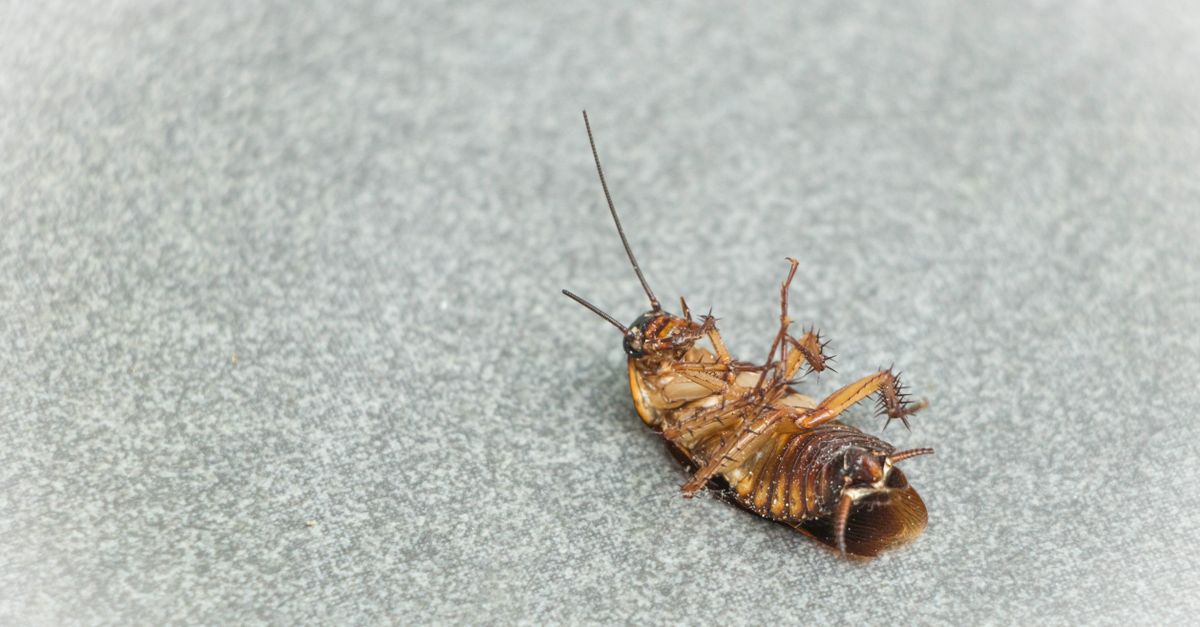
I’ve spent years building systems that solve complex problems efficiently, and pest control is no different. When a warehouse becomes infested, the stakes rise quickly—product loss, safety hazards, regulatory fines, and potentially harm to pets that may be brought into or around the facility. That’s why I focus on expert pest exterminators who specialize in pet‑safe pest control, pest-proofing solutions, and targeted earwig removal.
In addition to protecting inventory, these professionals help create a safe environment for any animals—whether livestock stored nearby or pets accompanying workers’ families—that might come into contact with the warehouse’s operations. By integrating chemical safety with engineering controls, they provide a holistic approach that keeps both goods and living beings out of harm’s way.
Why Warehouse Pest Control Matters Now
Warehouses are large, often dimly lit spaces with high humidity, food scraps, and structural gaps that attract insects, rodents, and other pests. A single infestation can spread rapidly across the entire storage area, compromising inventory and violating health codes.
Beyond product damage, pest activity poses a direct risk to animals—whether livestock stored in adjacent barns or pets visiting workers’ families. In 2026, regulatory bodies are tightening pet‑safety standards for commercial environments, making it essential to adopt non‑toxic, effective solutions.
Key Indicators of an Infestation
- Visible droppings or gnaw marks on pallets and shelving
- Unexplained odors from food storage areas
- Frequent sightings of insects near loading docks
- Rodent activity in corners, vents, or under equipment
- Reports of earwig swarms during late summer months
- Unexpected spikes in humidity readings that correlate with pest activity
- Unusual noises at night indicating nocturnal visitors
Recognizing these signs early allows for swift intervention before the situation escalates into a costly cleanup.
Selecting Pet‑Safe Pest Exterminators: What to Look For
Not all pest control providers are created equal. When choosing an expert exterminator, I evaluate three core criteria: certification, product safety, and proven track record with warehouses.
Certification from the National Pest Management Association (NPMA) or equivalent bodies ensures that technicians adhere to industry best practices. Pet‑safe products typically use low‑toxin baits, bio‑based gels, or non‑contact methods like heat treatment. Additionally, many firms now offer a “pet‑first” audit that maps animal traffic patterns and identifies high‑risk zones before any chemicals are applied.
Checklist for Vetting a Service
- Verified NPMA or state licensing credentials
- Use of pet‑friendly chemicals or mechanical controls only
- Experience with commercial warehouse environments
- Transparent reporting and follow‑up protocols
- Competitive pricing with clear service guarantees
- Availability of emergency response teams for rapid intervention
- Documentation of previous case studies where pet safety was a priority
In my experience, providers that offer a detailed action plan and post‑treatment audit tend to deliver better long‑term results. They also provide training for warehouse staff on early detection and preventive habits.
Efficacy of Earwig Removal in Large Facilities
Earwigs are often overlooked pests but can cause significant damage by feeding on stored produce and weakening structural components. Their presence also signals high humidity, which attracts other insects.
Effective earwig removal requires a combination of environmental control—reducing moisture—and targeted interventions such as sticky traps, pheromone lures, and non‑toxic insecticides applied around entry points. The lifecycle of an earwig is short; they can reproduce within weeks, so a proactive approach prevents population buildup.
Best Practices for Earwig Eradication
- Seal cracks and gaps in walls, floors, and storage units
- Install dehumidifiers in high‑humidity zones
- Deploy sticky traps along baseboards and near vents
- Use pheromone lures to disrupt mating cycles
- Apply pet‑safe insecticides only in isolated areas with minimal exposure risk
- Schedule routine inspections during peak humidity periods (late summer, early fall)
This integrated approach not only eliminates existing earwigs but also prevents reinfestation by addressing underlying conditions. Because earwigs can travel through small openings, a thorough sealing strategy is essential for long‑term success.
Pest-Proofing Solutions: Building a Barrier Against Future Infestations
Once the immediate threat is neutralized, the next step is to create durable pest-proofing solutions. My focus is on modular, scalable systems that fit warehouse infrastructure without compromising workflow.
Key components include mesh screens for vents, sealants for gaps around pipes and ducts, and automated monitoring devices that alert staff when pest activity spikes. The combination of physical barriers and smart sensors allows warehouses to maintain a high level of protection with minimal manual intervention.
Components of a Robust Pest-Proofing System
- High‑strength stainless steel mesh for all openings larger than 1 inch
- Silicone or polyurethane sealants applied to joints and seams
- Pressure sensors on critical entry points with real‑time alerts
- Biodegradable barrier films that deter insects without chemical use
- Routine maintenance schedule aligned with operational cycles
- Documentation of each installation phase for audit purposes
Implementing these measures reduces the need for reactive extermination and aligns with pet‑safety regulations, keeping both inventory and animal welfare secure. For example, installing mesh on loading dock hatches not only blocks rodents but also prevents earwigs from accessing high shelves.
Cost & ROI: Evaluating the Financial Impact of Professional Pest Control
Pest control is often viewed as a cost center, but in warehouses it can actually be an investment that protects revenue streams. The upfront expense for expert pest exterminators and pet‑safe products is offset by savings from reduced product loss, avoided fines, and improved worker safety.
When estimating ROI, consider the following factors: frequency of infestations, severity of damage, potential regulatory penalties, and downtime required for remediation.
ROI Calculation Framework
- Baseline inventory value at risk per month
- Average cost per infestation event (labor + cleanup)
- Expected reduction in loss after intervention (percentage)
- Cost of pet‑safe pest control services and equipment
- Projected compliance savings from meeting new regulations
- Long‑term maintenance costs versus reactive treatment cycles
In my experience, warehouses that invest in comprehensive pest-proofing realize a 15–25% increase in net profit over the first year due to fewer disruptions. Because pet‑safe methods reduce the need for costly chemical replacements and health‑related recalls, they also lower indirect expenses such as insurance premiums.
The key takeaway: selecting certified expert exterminators who prioritize pet‑safe methods not only protects animal welfare but also delivers measurable cost savings for warehouse operators.In my experience, warehouses that adopt a proactive, integrated pest control strategy see faster recovery times and stronger compliance records compared to those relying on reactive treatments alone. The combination of early detection, targeted removal, and robust physical barriers creates a resilient environment where both goods and animals thrive safely.
What specific pet‑safe pest control challenges have you faced in your facility, and how did you address them?