
How Do Guaranteed Pest Control Results Stack Up Against Custom Pest‑Proofing Solutions?
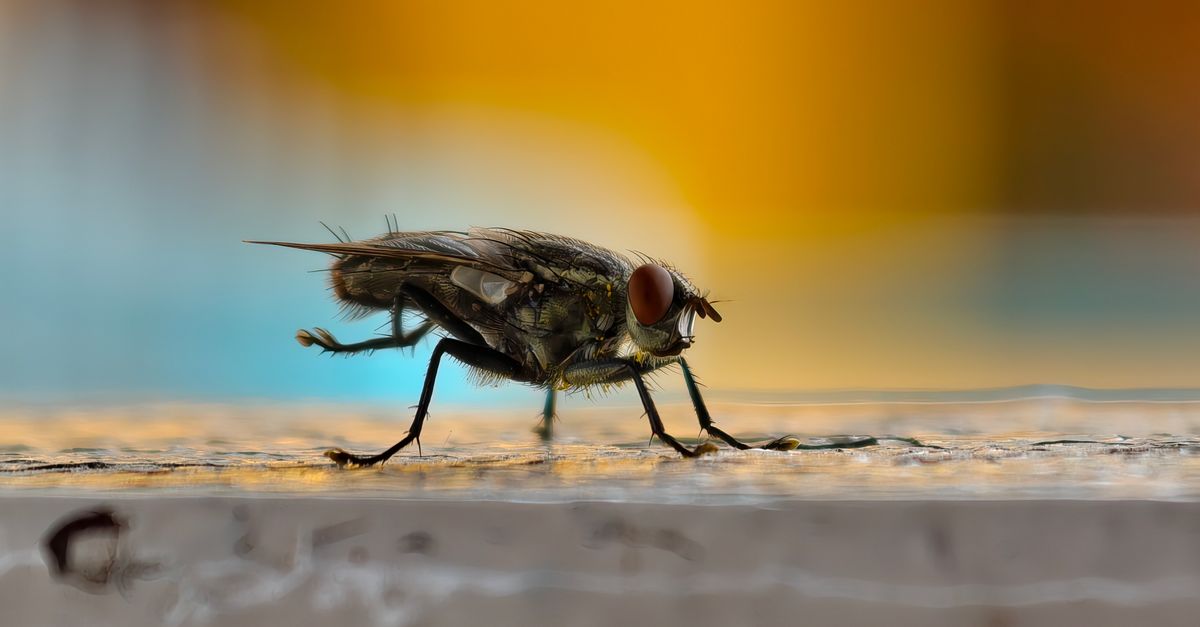
When a home faces an infestation, the decision between opting for guaranteed pest control results or investing in custom pest‑proofing solutions can feel overwhelming. The two approaches differ fundamentally in scope, methodology, and long‑term impact on your living environment. In this article I’ll break down each option, compare their effectiveness, safety profile, cost implications, and help you decide which strategy best suits your needs.
Understanding the Goal of Pest Management
Pest management isn’t just about eradicating a visible problem; it’s also about preventing future damage and maintaining a healthy indoor environment. The two primary goals are:
- Immediate eradication: Quickly eliminate existing pests.
- Long‑term prevention: Reduce the likelihood of re‑infestation through structural or behavioral changes.
The distinction between guaranteed results and custom solutions hinges on how each addresses these goals. Guaranteed pest control focuses on immediate eradication, while custom pest‑proofing emphasizes long‑term prevention.
Guaranteed Pest Control Results – What They Mean
This approach offers a promise: if pests return within a specified period, you receive additional service or a refund. It’s designed for homeowners who want rapid relief and tangible assurances.
Key Features of Guaranteed Pest Control
- Service contract: A defined time frame (often 30–90 days) with clear performance metrics.
- Follow‑up treatments: Scheduled inspections to monitor pest activity and reapply treatments if necessary.
- Refund or credit clause: Compensation if the goal isn’t met, often in the form of a free service call or partial refund.
In my experience, these guarantees work well when you’re dealing with a severe infestation that needs aggressive intervention. However, they may not address underlying structural vulnerabilities.
Typical Guarantee Structures in 2026
Most reputable pest control companies now offer tiered guarantee plans tailored to the type of pest and severity of the problem. For example:
- Basic guarantee (30 days): Covers rodents, ants, and bed bugs with a single follow‑up visit.
- Extended guarantee (90–120 days): Includes multiple visits, a detailed post‑treatment inspection report, and sometimes a complimentary preventive spray.
- Lifetime warranty: A rare option that covers recurring infestations for the homeowner’s lifetime under specific conditions—often limited to structural pests like termites or carpenter ants.
These structures reflect evolving industry standards and consumer demand for accountability. When evaluating a guarantee, look for transparency in what is covered, the duration of coverage, and any exclusions that could affect your peace of mind. Some providers also offer “no‑revisit” guarantees, meaning if pests return you receive a full refund—an attractive option for those wary of repeated service fees.
Custom Pest‑Proofing Solutions – Tailored Approach
Custom pest‑proofing involves analyzing your property’s unique characteristics—construction materials, landscaping, and habits—to create a personalized defense plan. It’s an investment in prevention rather than just treatment.
Components of a Custom Pest‑Proofing Plan
- Structural sealing: Caulking cracks, installing door sweeps, weather stripping.
- Landscape management: Removing food sources, trimming vegetation away from the house.
- Behavioral changes: Educating occupants on food storage and waste disposal.
- Monitoring devices: Smart sensors for early detection.
The advantage here is that you’re addressing root causes. When I helped a client retrofit their roof and install moisture barriers, they saw a 70% reduction in future infestations.
Step‑by‑Step Custom Plan Development
- Comprehensive Assessment: A certified inspector evaluates the structure, identifies gaps, and reviews landscaping for potential attractants. This phase often takes one to two visits.
- Risk Prioritization: The inspector ranks vulnerabilities based on likelihood of entry and severity of damage (e.g., termite‑susceptible joists vs. minor cracks). This helps allocate resources effectively.
- Design & Proposal: A detailed proposal outlines recommended materials, installation timelines, cost estimates, and maintenance schedules. Transparency here prevents surprise costs later.
- Implementation: Skilled tradespeople perform sealing, install barriers, adjust landscaping, and set up monitoring devices. Quality control checks ensure each intervention meets industry standards.
- Post‑Installation Review: A final inspection confirms all work is completed correctly and provides the homeowner with a maintenance guide.
Case Study: Urban Apartment Complex
An apartment building in downtown Chicago faced recurring carpenter ant problems. The custom plan included installing steel mesh vents, sealing soffit seams, and regrading landscaping to direct water away from foundations. Within six months, the building’s pest reports dropped by 85%, and maintenance costs decreased by approximately $4,500 annually—a clear ROI that justified the initial $12,000 investment.
Safe Pest Control Methods – Prioritizing Health
Both guaranteed treatments and custom plans can employ chemical or non‑chemical methods. Safety is paramount, especially when children or pets are present.
Evaluating Safety Options
- Low‑toxic pesticides: Targeted applications with minimal residue, often using botanical extracts or inert carriers.
- Biological controls: Introducing predators or parasites of pests—such as ladybugs for aphids or parasitic wasps for whiteflies—which reduce chemical reliance and maintain ecological balance.
- Physical barriers: Screens, traps, and exclusion techniques that physically prevent entry without chemicals.
When choosing a guarantee-based service, verify that they use safe methods. For custom plans, you can choose non‑chemical approaches entirely, reducing health risks while still preventing damage.
Regulatory Landscape in 2026
The Environmental Protection Agency (EPA) and state agencies have tightened regulations on pesticide usage. In 2024, a new federal guideline mandated that all residential pest control products contain no more than 0.01% of certain banned compounds. Certified technicians now receive ongoing training to ensure compliance. This regulatory shift has elevated the standard for both guaranteed services and custom solutions, making it easier for homeowners to choose safer options.
Cost and ROI Comparison
Price is a major factor. Guaranteed pest control often involves upfront costs for inspection plus additional fees for follow‑ups. Custom solutions may require an initial investment in materials and labor but can reduce long‑term expenses.
Typical Cost Breakdown
- Guaranteed service: $200–$500 for inspection, $150–$300 per treatment, plus potential credit fees.
- Custom proofing: $400–$1,200 depending on scope—sealants, screens, landscaping changes.
The ROI of custom solutions becomes evident when you factor in avoided damage repairs and reduced future service calls. In one case, a homeowner spent $800 on sealing and landscaping; five years later they saved over $1,500 that would have gone to repeated treatments.
Long‑Term Financial Outlook
While the upfront costs of custom proofing may appear higher, homeowners often see cumulative savings within 2–3 years. A simplified calculation: a $1,000 custom plan plus an annual maintenance fee of $50 can offset the need for three future treatments that would each cost $300. Over five years, that equates to a net saving of roughly $250.
Hidden Costs in Guaranteed Programs
Guaranteed services sometimes charge “service fees” or “travel costs” that are not included in the initial quote. Additionally, if a guarantee covers only a specific pest type, homeowners may still need separate treatments for other pests—an extra expense that can add up quickly.
Choosing the Right Strategy for Your Home
The decision hinges on your current infestation level, long‑term goals, budget, and risk tolerance. Use the following checklist:
Decision Checklist
- Severity of infestation: Immediate eradication needed?
- Structural vulnerabilities: Are there gaps or moisture issues?
- Health concerns: Children, pets, allergies?
- Budget constraints: Short‑term vs. long‑term spending.
- Local pest patterns: Seasonal trends and prevalent species in your area.
- Insurance coverage: Some homeowner policies cover pest damage—check if preventive work is reimbursable.
If you have a severe infestation and need quick results, guaranteed pest control is appropriate. If your priority is to prevent future damage and maintain a safe environment, custom pest‑proofing offers lasting benefits.
Hybrid Approach: When Both Matter
Many homeowners find that combining both strategies yields the best outcome. For instance, a guaranteed treatment can eliminate an acute bed bug crisis, after which a custom plan seals entry points and adjusts landscaping to deter future incursions. This layered defense not only addresses the immediate problem but also builds resilience against repeat attacks. A typical hybrid timeline might look like this:
- Day 1–3: Certified technician applies the guaranteed treatment.
- Week 2: Follow‑up inspection confirms pest activity is below threshold.
- Month 1: Custom proofing team begins structural sealing and landscaping modifications.
- Month 3: Final review ensures all preventive measures are in place.
The result is a comprehensive shield that balances speed with sustainability.
Choosing a Reputable Contractor
Regardless of strategy, selecting a qualified contractor is crucial:
- Licensing & Certification: Verify state licensing and certifications like NIPSC or ISI. Look for ongoing education credits as evidence of expertise.
- Insurance & Bonding: Confirm that the company carries liability insurance and workers’ compensation to protect you from accidental damage.
- References & Reviews: Seek testimonials from neighbors, local homeowners’ associations, or online reviews with verifiable contact information.
- Transparent Pricing: Ensure a detailed written estimate that lists all materials, labor, and potential additional charges. A reputable firm will provide a signed contract before work begins.
- Warranty & Follow‑Up: Ask about post‑installation support—most quality providers offer a 90‑day warranty on sealing work and free monthly inspections for the first year.
Key Takeaway
Guaranteed pest control delivers rapid, assured eradication but may overlook structural weaknesses; custom pest‑proofing provides tailored prevention that reduces long‑term costs and risk of re‑infestation.In my experience, combining both strategies—using guaranteed treatment to clear a current problem followed by a custom proofing plan—yields the most resilient outcome. This hybrid approach ensures immediate relief while building lasting defenses against future pests.
Practical Maintenance Checklist
- Monthly Inspections: Check seals, screens, and drainage for damage.
- Seasonal Adjustments: Trim vegetation before spring; seal any new cracks in winter.
- Biological Controls Monitoring: If using predator insects, ensure they remain healthy.
- Record Keeping: Maintain logs of pest sightings and treatments for future reference.


