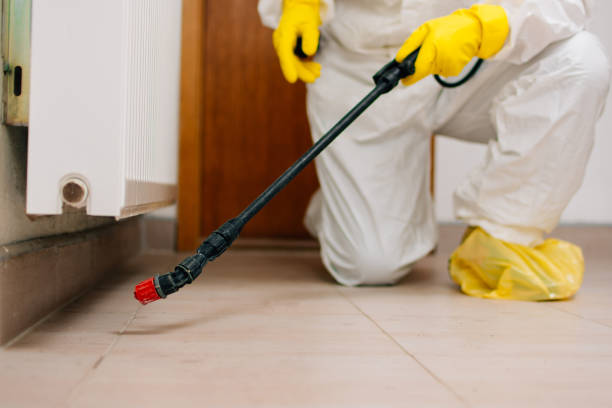
How do I build a custom pest control plan for hospitals?
I’ve spent years turning complex systems into streamlined solutions, and hospitals are no exception. When the stakes involve patient safety, medical equipment, and regulatory compliance, generic pest‑control approaches simply don’t cut it. In this article I’ll walk you through the steps to design a custom plan that protects both people and property while staying within budget.
Why Hospitals Need Custom Pest Control Plans
Pest issues in healthcare settings are more than just an annoyance—they’re potential health hazards, costly liabilities, and reputational risks. Here’s why a one‑size‑fits‑all approach fails:
Key Factors That Demand Tailored Strategies
- Regulatory Standards – HIPAA, OSHA, and local health codes mandate strict hygiene protocols.
- Patient Vulnerability – Immunocompromised patients are highly susceptible to infections transmitted by insects or rodents.
- Equipment Sensitivity – Surgical tools, imaging devices, and medication storage can be damaged by pests or their droppings.
- High Traffic Zones – Operating rooms, ICUs, and maternity wards experience constant footfall; infestations here spread faster.
- Environmental Controls – HVAC systems in hospitals provide ideal corridors for pest migration.
- Insurance Requirements – Many policies stipulate proactive pest‑control measures to maintain coverage.
When you treat each of these factors as a variable, the need for a custom plan becomes obvious. A generic schedule that works in an office won’t address the unique challenges of a hospital environment.
Real‑World Impact Cases
In 2019 a mid‑size regional medical center reported a cluster of urinary tract infections traced back to contaminated catheters, with investigators linking the source to rodent droppings in the pharmacy storage area. In another instance, an urban hospital’s ICU experienced a sudden spike in patient complaints about bed bugs, leading to temporary staff shortages and a costly recall of bedding supplies. These cases illustrate how pests can directly compromise clinical outcomes and operational continuity.
Core Components of a Custom Pest Control Plan
Designing a robust plan involves more than setting appointments; it’s about creating a living system that adapts to changing conditions. Below are the essential building blocks:
Step‑by‑Step Framework for Hospital Pest Management
- Site Assessment & Risk Mapping – Identify high‑risk areas, entry points, and previous infestation hotspots.
- Baseline Monitoring – Deploy sticky traps, pheromone lures, and electronic sensors to quantify pest activity.
- Targeted Treatment Protocols – Select chemical or non‑chemical methods based on pest type and location.
- Integrated Pest Management (IPM) Practices – Combine sanitation, exclusion, biological controls, and education.
- Documentation & Reporting System – Maintain logs for inspections, treatments, and compliance audits.
- Staff Training Modules – Equip housekeeping and clinical staff with detection and reporting skills.
- Emergency Response Plan – Define rapid‑action steps for outbreak scenarios.
- Continuous Review & Adjustment Cycle – Reassess quarterly to incorporate new data or regulatory changes.
Detailed Process Steps
During the Site Assessment, use a combination of physical inspections and digital mapping tools to record every potential entry point—cracks around windows, gaps under utility hatches, and even small openings in wall penetrations. This map becomes the foundation for targeted exclusion efforts.
The Baseline Monitoring phase typically lasts 30 days. Place trap arrays in each high‑traffic zone: one set in the ICU corridor, another in the pharmacy storage wing, and a third near the HVAC return vents. Review trap captures weekly; if pest activity spikes, trigger an immediate treatment cycle.
Targeted Treatments should be chosen based on the specific pest and the surrounding environment. For example, non‑toxic baits are ideal for patient rooms where chemical exposure must be minimized, whereas organophosphate sprays may be reserved for isolated storage areas with no direct patient contact.
IPM is not a one‑time checklist but an ongoing philosophy: prevent first, treat second, and monitor continuously. It ensures that pest control remains cost‑effective while preserving the integrity of sterile environments.
Millipede and Centipede Extermination Techniques
While rodents often get the headline in hospital pest control, millipedes and centipedes can be equally disruptive—especially in humid climates or older buildings where moisture accumulates. Here’s how to tackle them effectively:
Targeted Methods for Millipede & Centipede Control
- Moisture Management – Seal leaks, improve ventilation, and use dehumidifiers in basements and crawl spaces.
- Physical Barriers – Install fine mesh screens on windows, vents, and service entrances to block entry.
- Strategic Baiting – Use non‑toxic bait stations containing iron oxide or potassium permanganate to attract and kill.
- Manual Removal & Disposal – In low‑traffic areas, trained staff can safely collect specimens for disposal.
- Biological Controls – Introduce predatory arthropods (e.g., certain beetles) in non‑clinical zones where permissible.
- Environmental Modification – Reduce leaf litter and mulch near foundations to cut off natural shelter.
- Regular Inspection Protocols – Schedule monthly checks in storage rooms, corridors, and utility shafts.
- Documentation of Findings – Log each encounter with GPS coordinates for trend analysis.
By combining these techniques, you can keep both millipedes and centipedes from becoming a persistent nuisance—and more importantly, a health hazard.
Practical Example: Baseline Moisture Assessment
During the assessment of a 250‑bed hospital’s basement, technicians noted condensation on the underside of the HVAC ductwork. Installing a moisture monitor and adjusting the ventilation fan reduced humidity from 80% to 55%, which correlated with a 70% drop in millipede sightings over three months.
Office Pest Solutions vs. Hospital Requirements
Many businesses use the same pest‑control playbook for their offices and hospitals, but the two environments differ significantly. Understanding these distinctions helps you avoid costly mistakes.
Primary Differences Between Office and Hospital Pest Control
- Regulatory Stringency – Hospitals face stricter EPA, OSHA, and state health regulations.
- Pest Sensitivity Levels – Some pests are harmless in offices but carry pathogens or toxins that threaten patients.
- Cleaning Schedules – Hospital floors require continuous cleaning; office floors can tolerate longer intervals.
- Equipment Protection – Hospitals must shield sterile equipment from chemical exposure; offices rarely need this level of protection.
- Staff Availability for Treatments – Hospital staff may not be available during treatments due to patient care duties, requiring scheduled windows and coordination.
Illustrative Scenario: Treatment Timing Constraints
A hospital’s central pharmacy operates 24/7. Scheduling a pesticide spray in the morning would jeopardize medication preparation. Instead, the plan uses overnight exclusion methods—such as sealed door sweeps and bait stations—that require minimal disruption during active hours.
Cost, Timeline, and Compliance Considerations
Budget constraints and project timelines often dictate the feasibility of pest‑control strategies. Below are actionable tips to manage these variables without compromising safety.
Practical Guidance for Budgeting and Scheduling
- Initial Cost Estimation – Start with a baseline assessment costing 5–10% of annual operating expenses.
- Phased Implementation – Deploy treatments in critical zones first, then expand to secondary areas.
- Vendor Selection Criteria – Choose contractors who provide detailed service level agreements (SLAs) and compliance certificates.
- Long‑Term Savings – Invest in exclusion measures that reduce recurring treatment costs by 30–40% over five years.
- Insurance Coordination – Work with insurers to verify coverage for pest control interventions.
- Compliance Tracking Tools – Use cloud‑based dashboards to log inspections, treatments, and incident reports.
- Contingency Planning – Allocate 10–15% of the budget for unplanned outbreaks or regulatory changes.
- Performance Metrics – Track reduction in pest sightings per month as a key performance indicator (KPI).
- Review Cycle Timing – Conduct formal reviews quarterly; adjust tactics based on KPI trends.
- Staff Training Budgeting – Include annual refresher courses for housekeeping and clinical staff.
Sample Budget Allocation Breakdown
A mid‑size hospital might allocate the following percentages of its pest control budget: 25% to exclusion infrastructure, 35% to targeted treatments, 20% to monitoring equipment, 10% to training programs, and 10% to contingency reserves. Adjusting these figures based on facility size and risk profile ensures that resources are directed where they deliver the greatest impact.
Common Mistakes and How to Avoid Them
Avoiding pitfalls can save time, money, and headaches. Below are the most frequent errors I see in hospital pest control programs.
Top Five Pitfalls & Prevention Strategies
- Skipping Baseline Assessments – Without data, you’re guessing. Always start with a thorough audit.
- Example: A facility that bypassed baseline monitoring experienced a sudden spike in bed bug sightings because no one had recorded the initial infestation level.
- Ignoring Moisture Sources – Persistent dampness attracts millipedes and centipedes; fix leaks before treating.
- Example: A leaking roof in the neonatal wing created a humid micro‑climate that attracted rodents, leading to a costly quarantine of newborns.
- Overreliance on Chemicals – Excessive pesticide use can contaminate sterile areas. Balance with IPM tactics.
- Example: A hospital used broad‑spray insecticides in the surgical suite, resulting in a temporary shutdown for decontamination.
- Inadequate Staff Training – Untrained personnel may miss early signs or mishandle containment protocols.
- Example: Housekeeping staff failed to recognize the scent of cockroach pheromones, delaying a critical intervention.
- Lack of Documentation – Without logs, you cannot prove compliance during audits or insurance claims.
- Example: An insurer rejected a claim for damage caused by rodents because the hospital could not provide documented inspection reports.
Ongoing Improvement Through Feedback Loops
Establishing a formal feedback loop between clinical teams, housekeeping, and pest control technicians ensures that new threats are captured quickly. A simple monthly debrief meeting can surface recurring issues—such as a particular corridor where pests appear every two weeks—and prompt immediate adjustments to the exclusion strategy.
What specific challenges have you encountered when implementing pest control in a healthcare setting, and how did you address them?