
How Do I Choose Professional Pest Control for My Apartment in 2026?
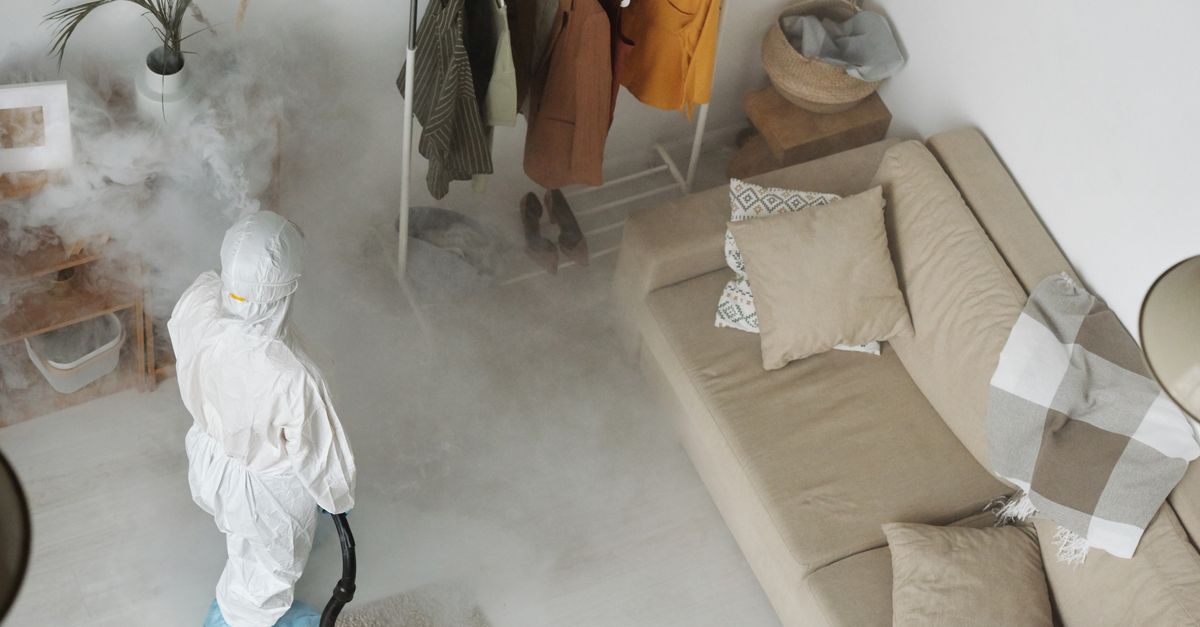
When a bug, rodent, or even a squirrel starts calling your apartment home, the first question is whether you can handle it yourself or need professional help. I’ve spent years evaluating pest solutions for myself and my clients, so here’s a straight‑up guide to choosing the right service—especially when safety, cost, and long‑term results matter.
1. Understand the Scope: From Termites to Wildlife
Pest problems fall into two broad categories: insect/rodent control and wildlife removal. Termite infestations require a different approach than, say, a raccoon that’s found its way through the roof. Knowing what you’re dealing with helps narrow down service providers.
For instance, a pantry moth infestation requires sealing food containers and removing crumbs, whereas an ant trail might indicate a hidden food source behind appliances. Recognizing these nuances helps you ask the right questions when interviewing potential contractors.
Key Factors to Evaluate:
- Type of pest (insects, rodents, wildlife)
- Severity and spread
- Building type (apartment vs. single‑family home)
- Local regulations and homeowner association rules
- Safety concerns for residents and pets
I’ve seen cases where a small rodent problem turns into a major infestation if left unchecked, especially in multi‑unit buildings. That’s why early detection is critical.
2. What Makes Professional Pest Control Worth It?
Many homeowners try DIY kits before calling in the experts. While these can work for minor problems, they often lack the precision and follow‑up needed for apartment settings. A professional service brings:
- Certified technicians with up‑to‑date training
- Access to industry‑approved pesticides and methods
- Comprehensive inspections that catch hidden issues
- Documentation for insurance and compliance purposes
- Follow‑up visits to ensure lasting results
If you’re a tenant, your landlord may cover the cost. If you own the unit, investing in quality service can protect property value.
When evaluating providers, look for clear evidence of certification—such as state licensing or national accreditation—and ask to see recent inspection reports. A reputable company will also explain how they tailor treatments based on the specific pest and building layout.
3. Wildlife Removal: More Than Just Rodents
When wildlife like raccoons or squirrels intrudes, it’s not just an annoyance; it can pose safety risks and cause structural damage. Professional wildlife removal focuses on humane trapping and safe relocation.
What to Look For:
- Experience with local wildlife species
- Use of live traps over lethal methods
- Clear communication about post‑removal monitoring
- Compliance with state and federal wildlife regulations
- Follow‑up inspections to ensure no new animals have taken residence
I’ve worked with firms that failed to remove a raccoon properly, resulting in repeated visits. A reputable provider will offer a guarantee or follow‑up service.
Humane removal also includes ensuring the animal is not injured during capture and providing a release plan that keeps it away from your building while respecting local wildlife corridors.
4. Apartment Pest Management: Unique Challenges
Apartment buildings present shared walls, common areas, and varied resident habits—all of which influence pest dynamics. Here’s what makes apartment pest management distinct:
- Coordinated treatment plans across multiple units
- Minimizing disruption to residents
- Use of non‑toxic methods where possible
- Clear communication with property managers and tenants
- Regular inspections as part of lease agreements
In my experience, a well‑planned schedule that staggers treatments by unit can reduce downtime and improve resident satisfaction.
Effective communication is essential—sending advance notices, offering flexible appointment times, and providing residents with post‑treatment safety tips all contribute to smoother operations and higher tenant retention.
5. Safe Pest Control Methods: Protecting People and Pets
Safety is paramount, especially in homes with children or pets. Look for providers who prioritize:
- Low‑toxic or organic pesticides
- Targeted application techniques (e.g., bait stations, sealed traps)
- Pre‑and post‑treatment cleaning protocols
- Clear labeling and resident education materials
- Compliance with EPA regulations
A provider that offers a “no‑residue” guarantee often uses more advanced technology like ultrasonic repellents or heat treatment, which can be safer for indoor environments.
Integrated Pest Management (IPM) is another approach that blends monitoring, sanitation, and targeted interventions to minimize chemical use while maintaining effectiveness.
6. Termite Control: The Silent Threat
Termites are notorious for causing unseen damage over years. Professional termite control typically involves:
- Initial inspection and identification of colony location
- Installation of bait stations or liquid termiticides around the foundation
- Follow‑up monitoring to confirm eradication
- Documentation for insurance claims
- Preventive maintenance plans (annual checks)
I’ve seen cases where a single missed spot led to a full‑scale infestation. A thorough, certified inspection can prevent that.
After treatment, most companies schedule quarterly monitoring visits for the first year and semi‑annual thereafter, ensuring any new activity is caught early before structural damage escalates.
7. Cost vs. Value: What You Should Expect
Pricing varies based on pest type, severity, and building size. Typical ranges (2026) are:
- Rodent control: $200–$500 per unit for initial treatment
- Termite treatment: $1,000–$3,000 for a standard home; apartments can cost more due to scale
- Wildlife removal: $300–$700 depending on species and complexity
- Follow‑up visits: $50–$150 per visit
In my experience, investing in a reputable company that offers a multi‑year warranty often saves money by preventing repeat treatments.
Many providers also offer financing options or bundled service packages that include preventive maintenance, which can lower long‑term costs while ensuring consistent protection.
8. Common Mistakes to Avoid
- Choosing the cheapest provider without checking credentials
- Skipping follow‑up inspections after initial treatment
- Neglecting resident communication in apartment settings
- Using broad‑spray pesticides that damage building materials
- Failing to document treatments for insurance and compliance
A well‑documented plan not only protects the property but also gives you peace of mind.
Other pitfalls include ignoring early warning signs—such as droppings or minor structural damage—which can quickly evolve into larger infestations. Regularly scheduled inspections help catch these issues before they become costly problems.
9. Practical Takeaway
Choosing a professional pest control service that offers certified technicians, safe methods, and comprehensive follow‑up is the most reliable way to protect your apartment from both everyday pests and larger threats like termites or wildlife.When selecting a provider, request a detailed action plan that outlines inspection schedules, treatment protocols, communication strategies for residents, and post‑treatment safety guidelines. This level of transparency often correlates with higher quality service and better long‑term outcomes.
10. Final Thoughts
Pest problems aren’t just an inconvenience; they’re a risk to health, safety, and property value. By understanding the differences between insect control, wildlife removal, and specialized apartment services—and by prioritizing safety and documentation—you can make an informed decision that saves time and money.
What’s the biggest challenge you’ve faced when coordinating pest control across multiple units in your building?

