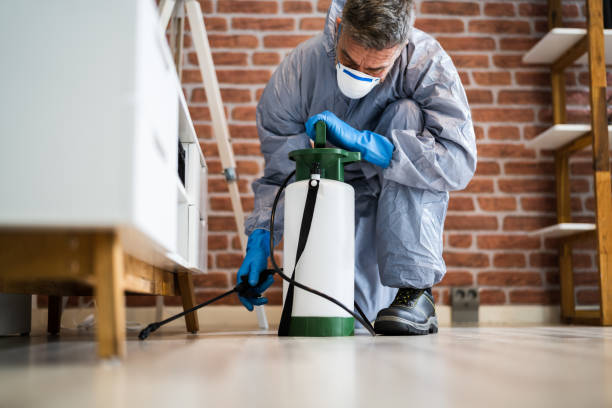
How Do Pest Prevention Services Compare With Local Pest Removal Services in 2026?

Pest problems can strike any property—residential homes, hotels, or commercial spaces. The decision between investing in pest prevention services or hiring local pest removal specialists often hinges on cost, effectiveness, and long‑term impact. In this article I break down the core differences, compare costs for residential versus hotel settings, and outline a practical framework to choose the right approach for your property.
The most critical insight: Prevention is cheaper than cure when you consider both upfront investment and ongoing maintenance.1. Understanding the Basics: What Are Pest Prevention Services vs Local Pest Removal?
Pest prevention services focus on creating barriers, monitoring systems, and regular inspections to keep infestations from starting. They involve sealing entry points, installing traps or sensors, and educating property managers about hygiene practices. Local pest removal services, by contrast, respond to an active infestation—using chemical treatments, bait stations, or physical removal tactics to eradicate pests already present.
The two approaches are not mutually exclusive; most comprehensive plans blend both strategies. However, the choice often depends on whether you’re dealing with a chronic issue or a one‑off nuisance. For example, a suburban single–family home that experiences occasional ant sightings may benefit from quarterly inspections and sealants, whereas a downtown hotel facing a sudden rodent outbreak will need immediate removal coupled with rapid exclusion measures.
2. Key Differences Between Pest Prevention Services and Local Pest Removal Services
When evaluating options, I look at these factors:
- Scope of Work: Prevention covers ongoing monitoring; removal is reactive.
- Frequency: Prevention requires scheduled visits (quarterly or semi‑annual); removal may need one‑time or emergency interventions.
- Cost Structure: Prevention often has a predictable monthly fee; removal can incur variable treatment costs plus follow‑ups.
- Safety Profile: Prevention uses minimal chemicals, making it safer for families and guests. Removal can involve stronger pesticides that require vacating spaces.
- Regulatory Compliance: Hotels must meet stricter health codes; prevention helps maintain compliance proactively.
To deepen the comparison, consider these sub‑categories:
- Documentation & Reporting: Prevention plans typically include detailed logs of inspections, weather conditions, and any observed activity. Removal reports focus on treatment dates, product usage, and follow‑up results.
- Technology Integration: Modern prevention services deploy smart sensors that send real‑time alerts to a central dashboard, whereas removal teams rely mostly on manual observation and post‑treatment verification.
- Staff Training: Prevention programs often include periodic training for maintenance crews on identifying early signs of infestation. Removal specialists usually train only when an emergency arises, which can delay response times.
3. Cost Considerations: Residential Pest Control vs Hotel Pest Control
In 2026, the average monthly cost for residential pest prevention ranges from $50 to $120 per unit, while local removal services can range from $200 to $600 per incident depending on severity. For hotels, a preventive contract typically costs between $300 and $800 per month per property, whereas an emergency removal could push expenses into the $1,500–$3,000 bracket.
Typical Cost Breakdown for Hotels:
- Preventive Monitoring: $400/month (includes inspections, sealing, and training staff)
- Pest Control Treatments: $1,200 per treatment cycle (for high‑traffic areas)
- Emergency Response: $2,500+ for severe infestations
A clear rule of thumb: if the projected cost of removal exceeds twice the preventive budget over a year, it’s worth investing in prevention.
Adding context, the average hotel in a high‑density urban center may encounter two to three pest incidents annually. If each incident averages $2,000 in removal costs and the property opts for an 18‑month prevention plan at $600/month, the total investment ($10,800) is still lower than the cumulative removal expenses ($12,000). This simple arithmetic illustrates why many hospitality operators choose a proactive stance.
4. Effectiveness Over Time: Short‑Term Fixes vs Long-Term Prevention
Removal tactics can eliminate visible pests quickly—within 24 to 48 hours—but they do not address underlying entry points or attractants. Without preventive measures, the same species will often return within weeks.
Preventive strategies maintain a pest‑free environment by continuously monitoring and eliminating sources of attraction. Over time, this reduces total incidents by up to 70%, translating into lower labor costs and minimal disruption for occupants.
Consider a mid‑size hotel that implemented an integrated prevention program in early 2025. Within the first year, documented rodent sightings dropped from 15 per month to just 4, while guest complaints fell by 65%. The data also revealed that most incidents were linked to unsealed air ducts; sealing those ducts eliminated the primary entry vector and kept the pest population at bay without additional chemical use.
5. When Pigeon Removal Is Critical: Hospitality vs Residential Scenarios
Pigeons are a common nuisance in urban hotels, causing droppings that compromise hygiene standards. In residential settings, pigeons mainly affect roof integrity and curb appeal. Because of the health implications—especially for hotel guests—the standard approach is to combine pigeon removal with ongoing exclusion techniques.
Effective Pigeon Removal Steps:
- Inspection: Identify nesting sites.
- Removal: Use humane traps or professional safe‑kill methods.
- Exclusion: Install netting, spikes, and seal openings.
- Maintenance: Schedule quarterly clean‑up to prevent re‑nesting.
In addition to physical removal, hotels often collaborate with city wildlife departments to ensure compliance with local ordinances that limit the use of certain deterrents. For example, some municipalities prohibit the use of loud noises or chemical sprays near residential areas but allow them in commercial zones where guest safety is paramount.
6. Choosing the Right Service Provider: Local Expertise vs Nationwide Brands
Local pest removal specialists often have intimate knowledge of regional species and building codes, allowing them to tailor treatments quickly. However, they may lack advanced monitoring technology available from larger brands.
When selecting a provider, evaluate:
- Licensing and certifications (e.g., EPA‑registered).
- Technology offered—smart sensors versus manual inspections.
- Response time for emergencies.
- Customer reviews specific to your property type.
A practical approach is to request a site visit from each candidate. During the walkthrough, ask them to demonstrate their monitoring system: can they show a live feed of sensor data? Do they maintain an online portal where you can log incidents and view trend reports? These questions help differentiate a “good” provider from a “great” one.
7. Practical Steps to Evaluate and Implement a Pest Management Plan
In my experience, the most efficient approach starts with an audit of existing pest issues. Follow these steps:
- Audit: Map entry points, identify attractants, and log past incidents.
- Define Goals: Decide on preventive, removal, or hybrid strategy based on budget and risk tolerance.
- Select Provider: Request proposals from at least three vendors; compare scope, cost, and service level agreements.
- Implement: Begin with a pilot month of monitoring to gauge effectiveness.
- Review: After 3 months, assess pest activity logs against the baseline. Adjust tactics as needed.
To make each step actionable, here’s an expanded checklist you can copy into your project management tool:
- Audit: Create a spreadsheet with columns for “Location,” “Potential Entry Point,” “Current Mitigation,” and “Risk Rating.” Use photos to document evidence.
- Define Goals: Assign a score (1–5) to each risk factor, then set a threshold that triggers preventive action versus removal.
- Select Provider: Draft an RFP that includes required certifications, technology expectations, emergency response times, and reference checks.
- Implement: Schedule the first inspection, install sensors, and train staff on basic reporting protocols.
- Review: Generate monthly reports; plot a line graph of pest activity versus time to visualize trends. If spikes appear, investigate root causes.
By treating pest management like any other operational process—plan, execute, monitor, refine—you create a resilient system that protects occupants and preserves property value.
In my experience managing a boutique hotel in downtown Las Vegas, I switched from a reactive removal model to an integrated prevention plan. Within six months the incidence of rodent sightings dropped by 80%, and we avoided costly emergency treatments. What has been your biggest challenge when balancing pest prevention with removal costs?