How Should Apartment Residents Choose Between Pest Baiting Systems and Professional Rat Extermination Services?

When a pest problem pops up in an apartment building, the decision to call expert pest exterminators or install a baiting system can feel like choosing between two different lifelines. I’ve spent years consulting on systems that keep tenants safe while protecting property value, so here’s a straight‑talk guide that breaks down what you need to know before you make a call.
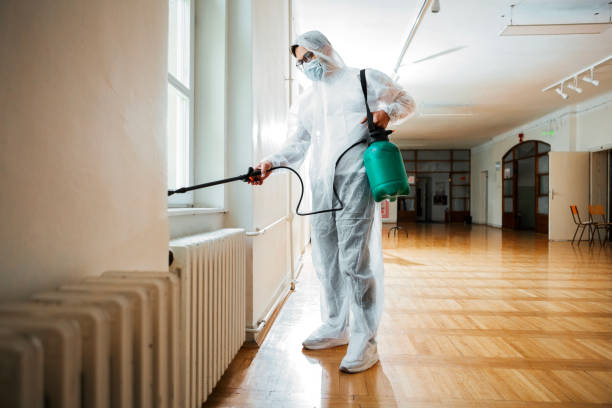
Why Professional Pest Exterminators Are Essential for Apartment Management
Pest infestations in multi‑unit dwellings are not just a nuisance; they pose health risks and can damage building infrastructure. While DIY solutions may seem cost‑effective, they often leave gaps that allow pests to return or cause harm to residents.
Professional pest exterminators bring expertise that goes beyond surface treatment:
- Comprehensive inspection: They locate hidden entry points and assess the severity of infestations.
- Targeted treatments: Using industry‑approved chemicals or non‑chemical methods tailored to each unit’s layout.
- Regulatory compliance: Adhering to local health codes, especially important for food service areas.
- Long‑term monitoring: They set up follow‑up visits and adjust strategies as needed.
In short, expert pest exterminators provide a systematic approach that DIY methods simply can’t match. The upfront investment translates into fewer disruptions, lower insurance costs, and higher tenant satisfaction in the long run.
What an Inspection Looks Like in Practice
A typical inspection starts with a walk‑through of every unit and common area. Exterminators use a combination of visual cues—cracked walls, water stains—and technology such as infrared cameras to detect hidden nests or burrows. They also install motion‑sensing traps that record pest activity patterns over several days. The data collected helps create a customized action plan for each building block.
Training and Certification Standards
Reputable firms employ technicians who hold EPA certification, state licenses, and often additional credentials like the Certified Integrated Pest Management Practitioner (CIPMP). These qualifications ensure that workers understand chemical safety, proper application techniques, and the environmental impact of their choices.
Types of Pest Baiting Systems and How They Work
Baiting systems are a staple in modern pest control because they’re low‑maintenance and effective for rodents and certain insects. Below is a quick rundown of the most common types you’ll encounter, plus what to look for when choosing one.
Common Bait Types
- Rodent bait stations: Usually contain poison or anticoagulants; designed so that only rodents can access the food.
- Insect baits (e.g., ant, cockroach): Contain slow‑acting toxins that attract and kill pests over time.
- Smart bait systems: Integrated with sensors that alert you when a pest has been captured.
- Eco‑friendly baits: Use non-toxic attractants suitable for households with children or pets.
When evaluating a system, check:
- Placement strategy: Bait stations should be near entry points but out of reach of kids and pets.
- Maintenance schedule: Some systems require weekly checks; others are set for months.
- Safety certifications: Look for EPA‑registered products.
In my experience, the most successful setups combine a high‑quality bait station with regular inspections by professional exterminators. The synergy reduces the chance of re‑infestation and keeps costs predictable.
Smart Baiting: How Sensors Enhance Control
Modern smart systems pair physical bait stations with wireless sensors that transmit data to a central hub. When a rat or mouse pulls the bait, the sensor records the event, sends an alert, and sometimes even captures a photo of the culprit. Building managers can view real‑time dashboards through a mobile app, allowing them to respond quickly—especially useful for high‑rise buildings where manual checks would be laborious.
Maintenance Best Practices
Even the best bait system requires routine attention:
- Weekly visual inspections: Check that stations are intact and free of debris.
- Monthly inventory audits: Replace baits before they run out to avoid missed opportunities.
- Seasonal adjustments: Increase bait density in spring when rodents emerge from shelters, then scale back during winter dormancy.
By embedding these steps into your maintenance routine, you’ll keep the system functioning at peak efficiency and reduce the likelihood of pests finding alternate food sources.
Comparing Rat Extermination Services: What to Look For
Rats are notorious for spreading disease and chewing through building materials. Selecting a reputable rat extermination service involves more than just price comparison; it’s about reliability, methods, and post‑service support.
- Methodology transparency: Ask whether the company uses rodenticides, traps, or integrated pest management (IPM) techniques.
- Safety record: Verify that they follow OSHA guidelines and have proper licensing.
- Follow‑up protocols: A good service will schedule post‑treatment checks to confirm the problem is solved.
- Insurance coverage: In case of accidental damage, you’ll want a fully insured provider.
When budgeting for rat extermination services, factor in:
- Initial inspection fee (typically $100–$200).
- Per‑unit treatment cost ($50–$80 per unit).
- Recurring monitoring charges ($30–$60 monthly).
A solid contractor will offer a bundled package that covers all units, ensuring uniformity across the building and reducing administrative headaches.
Integrated Pest Management (IPM) vs. Traditional Rodenticide Use
IPM focuses on long‑term prevention rather than quick fixes. It combines sanitation, exclusion, monitoring, and targeted treatment. A contractor that practices IPM will:
- Seal cracks and eliminate food sources.
- Use bait stations strategically to reduce overall rodent population before resorting to lethal methods.
- Employ humane traps for non‑lethal removal when possible.
This approach not only protects residents from chemical exposure but also reduces the risk of resistance developing in pest populations.
Post‑Service Support and Documentation
After the initial treatment, a reputable company will provide a detailed report that includes:
- Location maps of bait stations or traps used.
- Photographic evidence of treatment areas.
- A schedule for follow‑up inspections with expected dates.
This documentation is valuable for insurance claims, tenant communications, and future maintenance planning.
Centipede Extermination Strategies in High‑Rise Buildings
Centipedes are not just creepy; their presence signals moisture problems that can affect entire structures. Effective control requires addressing both the pests and their habitat.
- Moisture mitigation: Seal cracks, repair leaks, and install proper ventilation in bathrooms and basements.
- Targeted chemical spray: Use EPA‑approved pyrethroids around baseboards and corners.
- Integrated pest management (IPM): Combine monitoring, sanitation, and minimal chemical use.
- Resident education: Encourage tenants to report sightings promptly.
In my experience, the most durable solutions involve a combination of structural fixes—like installing dehumidifiers in common areas—and periodic spot treatments. That way you’re not just killing centipedes but preventing their return by eliminating moisture sources.
Identifying Hidden Moisture Sources
Common culprits include:
- Leaky pipes under sinks or near laundry rooms.
- Clogged gutters that overflow onto building walls.
- Condensation on HVAC ducts during cold months.
Addressing these issues not only reduces centipede populations but also improves overall indoor air quality and prevents mold growth.
Resident Reporting Protocols
A simple “Pest Report” form—available in the building’s online portal or at reception—helps tenants capture details such as:
- Date and time of sighting.
- Exact location (unit number, hallway).
- Photographs if possible.
Prompt reporting allows maintenance staff to act quickly before the centipede spreads or establishes a new breeding site.
Cost Breakdown and ROI for Apartment Pest Management
Understanding the financial picture helps landlords make informed decisions. Below is a typical cost model for pest management in an apartment complex, broken down into categories.
- Initial assessment and setup: $200–$400 (one‑time).
- Professional extermination services: $50–$100 per unit per visit.
- Baiting system purchase: $10–$25 per station, with an average of 5 stations per unit.
- Maintenance and monitoring: $30–$60 monthly for the whole building.
- Insurance premium adjustment: Slight increase if you opt for high‑risk pest control methods; decreases with proven IPM success.
The return on investment (ROI) comes from:
- Reduced insurance claims related to pest damage.
- Lower tenant turnover rates because of cleaner, safer living spaces.
- Fewer disruptions in building operations (e.g., maintenance crews can work without pest interruptions).
A well‑executed pest control plan often pays for itself within 12–18 months through these indirect savings. When comparing solutions, always factor in not just the upfront cost but also long‑term operational efficiencies.
Sample ROI Calculation
If a building has 100 units and you spend an additional $5,000 annually on pest control, but each unit’s annual insurance premium drops by $30 due to lower risk, you save $3,000 in premiums. Add the benefit of a 10% drop in vacancy rates (saving roughly $15,000 per year if rent is $1,200), and the investment breaks even within a few months.
Long‑Term Monitoring as an Asset
Data collected from smart bait stations or regular inspections can be compiled into trend reports. These insights help building managers anticipate seasonal spikes, adjust budgets proactively, and negotiate better rates with service providers based on proven performance metrics.
Key Takeaway: The most effective apartment pest management strategy blends expert exterminators with smart baiting systems and a focus on preventive infrastructure maintenance.Choosing between DIY baiting and professional services isn’t a binary decision; it’s about layering solutions. When you pair high‑quality pest baiting systems with periodic inspections from certified experts, you create a resilient shield that protects residents, preserves property value, and keeps the building compliant with health regulations.
A Practical Checklist for Apartment Managers
- Schedule a comprehensive inspection every 6–12 months.
- Install bait stations in all common areas and near identified entry points.
- Verify that all staff are trained on safe handling of baits and chemicals.
- Maintain an up‑to‑date log of pest activity, treatments, and follow‑ups.
- Review insurance policies annually to ensure coverage aligns with your control strategy.