How to Choose Reliable Bat Removal Services for Offices and Warehouses in 2026
The first time I noticed a sudden chill in the HVAC duct of my office building, I knew something was wrong. Bats had found their way into our commercial space, and they were not just a nuisance—they posed health risks, damaged insulation, and could spread diseases. The question that kept me awake at night was: how do you find trustworthy pest control professionals who can safely remove bats without compromising safety or budget?
Understanding the Bat Problem in Commercial Spaces
Bats are often mistaken for harmless creatures, but when they invade warehouses, factories, or office buildings, they become a serious concern. Their droppings (guano) can accumulate quickly, creating mold and attracting other pests. In addition, many bat species carry viruses that can infect humans—especially in confined indoor environments where ventilation is limited.
Commercial structures typically provide easy access points: eaves, vents, skylights, or broken windows. Once inside, bats may roost on ceilings or in insulation, making removal difficult without professional equipment and expertise.
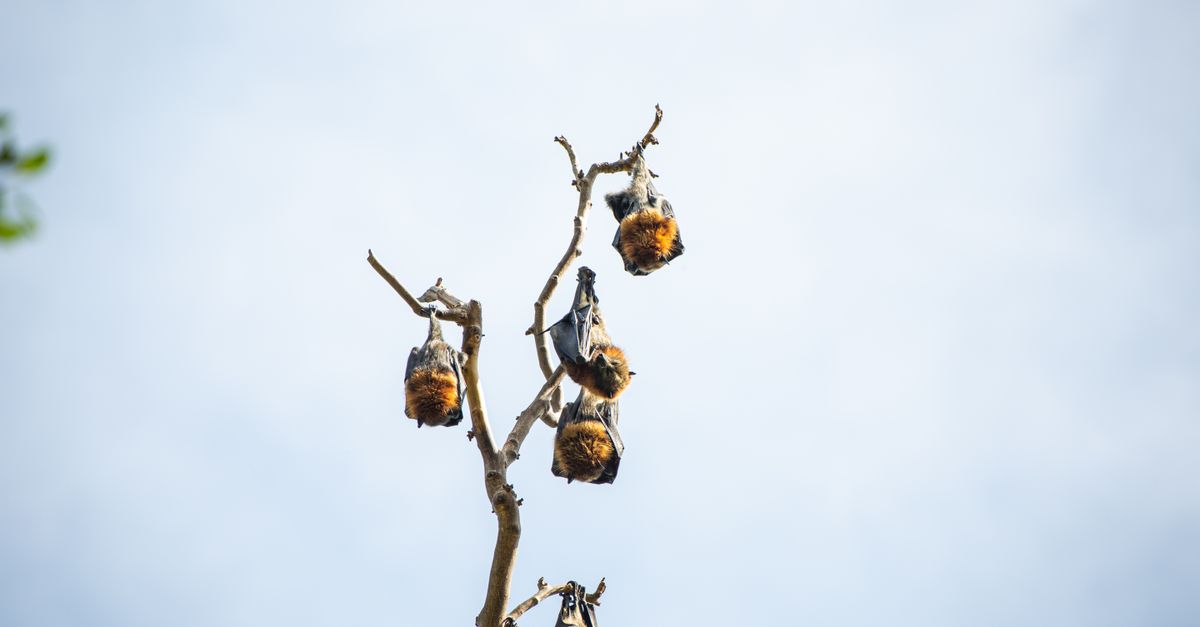
Typical urban bat species that find their way into commercial settings include the little brown bat (Myotis lucifugus) and the big brown bat (Eptesicus fuscus). Both are small enough to slip through gaps as narrow as a few millimeters, yet they can form large colonies of up to several hundred individuals. Their presence is often subtle—soft chirping at dusk or a faint odor of ammonia from droppings—but the cumulative effect over time is significant.
Why Bats are a Pest Concern for Offices and Warehouses
Beyond the obvious health hazards, bats can damage infrastructure. Their guano is acidic and corrosive; it eats through drywall, insulation, and even metal fittings if left unchecked. In warehouses storing perishable goods or sensitive equipment, mold growth from bat droppings can compromise inventory.
Moreover, building codes in many states now require that any structure with a confirmed bat infestation must be remediated by certified professionals. Failure to do so can result in fines and costly remediation later.
The economic impact extends beyond cleanup costs. Employees may experience anxiety or respiratory symptoms when exposed to guano or mold, leading to absenteeism and reduced productivity. Clients visiting a facility with visible signs of infestation may question the company’s commitment to safety, potentially affecting business relationships.
Choosing Reliable Pest Exterminators: What to Look For
Certification & Licensing
Make sure the company holds state licenses for pest control and is registered with national bodies such as the National Pest Management Association. Certified professionals are required to stay current on best practices and safety standards.
Experience with Bat Removal
Bats have unique behaviors that differ from other pests. Look for firms that specialize in bat removal, not just general rodent control. Ask how many bat projects they’ve completed and whether they use non-lethal capture methods.
Safety Standards & Environmental Impact
Responsible exterminators will follow EPA guidelines to ensure chemicals and traps do not harm the environment or pose health risks to occupants. They should also provide a detailed plan for securing entry points after removal to prevent re-infestation.
Insurance Coverage & Liability Protection
An additional layer of assurance is a company that carries comprehensive general liability insurance. This protects your property from accidental damage during the removal process, such as broken equipment or accidental chemical exposure.
Response Time & Availability
Commercial infestations often require prompt action to avoid escalating costs. Ask potential contractors about their typical response window—ideally within 48 hours of a verified infestation—and whether they offer after‑hours service for emergencies.
Key Takeaway: A certified, bat‑specialized pest control service is essential to protect both your building’s integrity and your staff’s health.The Process of Bat Removal Services
Planning and Inspection
A thorough inspection identifies all entry points, roosting sites, and potential hazards. The team will use infrared cameras or night‑vision equipment to locate bats without disturbing them.
During the inspection phase, technicians also assess structural vulnerabilities—such as damaged roof panels or loose soffits—that could serve as future access routes. This proactive evaluation helps tailor a customized sealing strategy that addresses both current and potential future risks.
Safe Capture Techniques
Professional exterminators employ humane traps—such as live catch boxes—or use bat nets that allow the animals to be relocated legally to a sanctuary. Chemical repellents are typically avoided in indoor commercial settings due to safety concerns.
Once captured, bats are transported under state wildlife regulations to licensed rehabilitation centers. The relocation process is meticulously documented, ensuring compliance with local ordinances and protecting the animals’ welfare.
Post‑Removal Maintenance
Once all bats have been captured, the team cleans guano with proper protective gear and sanitizes affected areas. They will also seal identified entry points—using steel wool, mesh, or concrete—to prevent future invasions.
The cleaning process usually involves a multi‑step approach: first, removal of loose droppings; second, application of disinfectants that neutralize pathogens; third, thorough ventilation to remove any lingering odors. In larger warehouses, technicians may employ industrial air scrubbers to accelerate the decontamination cycle and restore indoor air quality.
In my experience, companies that skip the inspection phase often miss hidden roosts behind insulation panels, leading to repeated visits and higher costs.Cost Factors and Budgeting for Bat Removal
The price of bat removal depends on several variables:
- Size of the property: Larger warehouses require more labor and equipment.
- Extent of infestation: Heavy guano deposits increase cleanup time.
- Access difficulty: Hard‑to‑reach roosts may need specialized tools.
- Post‑removal sealing: Some firms include entry point repair in the quote; others charge extra.
Typical costs range from $300 to $1,200 per property. It’s wise to obtain at least three written estimates and compare not only price but also scope of work and warranties offered.
Common Mistakes to Avoid When Hiring Pest Control Professionals
1. Ignoring Certifications
Unlicensed operators may use unapproved chemicals or improper methods, risking legal liability.
2. Selecting the Cheapest Bid Alone
Low cost often equals low quality—look for comprehensive service agreements.
3. Neglecting Follow‑Up Inspections
A single removal visit does not guarantee long‑term success; schedule a follow‑up to verify roosts are gone.
4. Skipping Sealant Services
Without sealing entry points, bats will return in weeks.
5. Failing to Verify Legal Relocation Compliance
Bats are protected species; ensure the company follows state wildlife regulations during relocation.
I once hired a contractor who claimed “no more bats” after one visit, only to find dozens of new roosts two weeks later. That was a costly lesson.DIY vs Professional: Why It Matters
While some small infestations might tempt you to use bat repellent sprays or window screens, these measures are often ineffective in commercial settings. Professionals bring the right tools—night‑vision cameras, specialized traps, and sealing equipment—that DIY methods lack.
Moreover, improper handling can spread guano contamination or harm employees if protective gear is not used correctly.
For instance, a DIY approach might involve spraying an aerosol repellent into vents. If the chemical drips onto office surfaces, it could create hazardous fumes and leave residues that are difficult to remove without specialized cleaning agents.
Tips for Preventing Future Infestations
- Inspect rooflines annually: Seal cracks in eaves and valleys.
- Install bat-proof screens on vents: Mesh should be fine enough to block entry.
- Maintain landscaping: Keep shrubs trimmed away from building corners.
- Use motion-activated lights: Bats avoid bright illumination at night.
- Educate staff: Train them to report sightings promptly.
- Schedule periodic professional inspections: Early detection saves money.
Implementing these measures creates a proactive defense that keeps your building bat‑free and reduces reliance on costly emergency removals.
Additional preventive steps include installing roof vent covers with self‑closing mechanisms, ensuring all attic hatches are sealed after use, and monitoring for signs of new droppings during routine housekeeping. By combining structural vigilance with employee awareness, you establish a layered approach that deters bats before they become an issue.
Conclusion
Bats in commercial buildings pose health risks, structural damage, and legal challenges. Choosing certified pest control professionals who specialize in bat removal is the most reliable way to protect your office or warehouse. By understanding costs, avoiding common hiring mistakes, and implementing preventive measures, you can maintain a safe environment for employees and customers alike.
When deciding on a service provider, ask about certifications, inspection protocols, post‑removal sealing, and compliance with wildlife relocation laws. A thorough, well‑documented approach pays off in peace of mind—and in long‑term savings.
What preventive steps have you found most effective in keeping bats away from your commercial property?