
How to Choose the Right Rodent Control and Pest Services for Your Home?
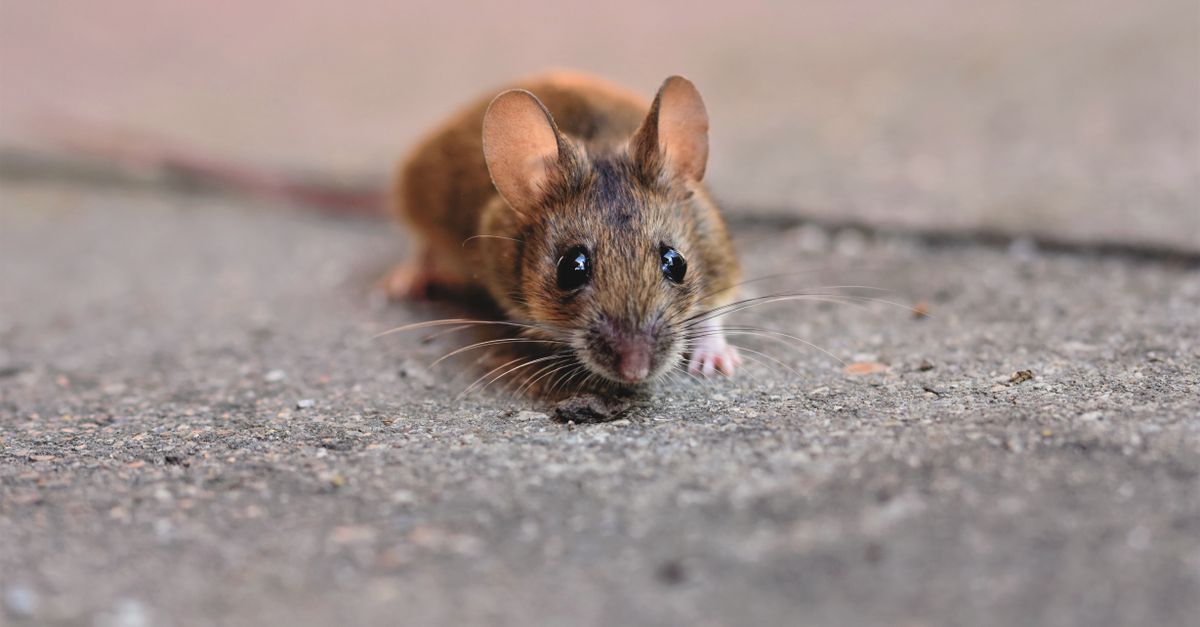
I’ve spent years building systems that solve real problems, so when a household faces rodent infestations or insect intrusions, I focus on the practical steps that give reliable results. The choice of pest service isn’t just about a quick fix; it’s about long‑term protection, safety, and cost efficiency.
1. Understanding Pest Types: Rodents, Insects, Bats
Rodent control, insect removal services, and bat removal services all require distinct approaches because each species behaves differently and poses unique health risks. Rodents chew through wiring, spread pathogens, and leave droppings that can trigger allergic reactions. Insect removal focuses on species such as termites, bed bugs, or cockroaches, which often attack structural components or contaminate food. Bats are protected wildlife in many regions; their removal must comply with local regulations and ensure humane handling.
Key Differences
- Target species: Rodents vs insects vs bats.
- Health risks: Disease vectors, allergens, structural damage.
- Regulatory requirements: Permits for bat removal; EPA guidelines for insecticides.
- Detection methods: Trapping and monitoring for rodents; visual inspections for insects; acoustic detection for bats.
- Long‑term strategy: Sealing entry points vs ongoing maintenance contracts.
The first step is to identify the pest accurately. A misdiagnosis leads to ineffective treatment and wasted money. Rodents such as Norway rats, roof rats, or house mice each prefer different habitats – some love damp basements while others thrive in attic spaces. Termites can be either subterranean or drywood, requiring entirely different barrier treatments. Cockroaches, on the other hand, may be hidden behind wall panels but will leave droppings that create a breeding ground for bacteria. Bats often roost in attics or eaves; their guano can accumulate quickly and pose fire risks if not removed properly.
When you suspect an infestation, look for specific indicators: gnaw marks on insulation, fresh droppings, nesting materials (paper, shredded fabric), or audible scratching at night. For insects, check for visible colonies, shed skins, or signs of structural decay like hollowed wood. Bats may leave a distinctive musty odor and their guano often appears as a black powder that clumps around entry points.
2. Evaluating Trusted Pest Control Services
When you search for trusted pest control services, look beyond price tags. Credentials such as state licensing, insurance coverage, and certifications from organizations like the National Pest Management Association (NPMA) indicate a company’s professionalism.
Evaluation Criteria
- Licensing and insurance: Protects you from liability.
- Experience with local pests: Knowledge of regional species patterns.
- Use of EPA‑approved products: Ensures safety for humans and pets.
- Transparent pricing: Itemized quotes, no hidden fees.
- Customer reviews and referrals: Real feedback from neighbors.
In my experience, the firms that provide detailed service plans and follow‑up inspections deliver the best long‑term results. A company’s willingness to explain its methodology builds trust and reduces surprise costs. When contacting a provider, ask for their license number and verify it through your state’s licensing board. Request proof of general liability insurance and worker’s compensation coverage; a reputable business will have no problem furnishing these documents.
Many companies now adopt Integrated Pest Management (IPM) principles, which combine monitoring, preventive measures, and targeted treatments. IPM reduces chemical usage, protects the environment, and often results in lower overall costs for homeowners. Look for a company that offers an initial assessment, a clear treatment schedule, and post‑treatment monitoring to ensure pests are fully eliminated.
3. Pre‑Construction Pest Treatment Basics
If you’re building a new home or renovating, pre‑construction pest treatment can prevent future infestations. This proactive step includes inspecting foundations, sealing cracks, and applying barrier treatments before drywall installation.
Steps for Effective Pre‑Construction Treatment
- Conduct a thorough site survey to identify entry points.
- Apply non‑toxic sealants on foundation seams.
- Use bait stations only after construction is complete, if necessary.
- Schedule follow‑up inspections at critical milestones.
- Document all treatments for future reference.
The goal is to create a pest‑resistant environment before the building process completes, saving costly remediation later. For example, applying a borate‑based primer to exposed framing can deter termites without compromising structural integrity. Sealing gaps around utility lines and vent openings prevents rodents from gaining access to interior spaces. Additionally, installing physical barriers such as steel mesh or foam insulation in crawlspaces can reduce the likelihood of pest ingress.
During construction, keep waste containers sealed and store food products in airtight containers. Avoid leaving piles of wood or cardboard on site; these materials can attract pests. After drywall installation, a final inspection by an independent contractor can confirm that all potential entry points have been addressed before sealing walls.
4. Cost and Budgeting for Comprehensive Pest Management
Pest control costs vary by species, severity, and service scope. A one‑time rodent removal might range from $150 to $300, while ongoing insect monitoring can average $75 per month. Bat removal often includes legal fees and specialized equipment, potentially costing several thousand dollars.
Cost Breakdown Example
- Initial inspection: $50–$100.
- Rodent trapping & exclusion: $200–$500.
- Insect monitoring subscription: $75/month.
- Bat removal (licensed): $2,000–$5,000.
- Follow‑up visits: $30–$60 per visit.
When budgeting, factor in preventive measures such as sealing, landscaping adjustments, and homeowner education. A comprehensive plan often yields lower long‑term costs than reactive fixes. For instance, investing $200 in a one‑time exclusion system (e.g., steel mesh over potential entry points) can prevent rodent damage that would otherwise cost thousands in electrical repairs.
Many pest control providers offer seasonal discounts or bundled services—combining rodent and insect treatments into a single contract often reduces the overall fee. Additionally, some insurance plans cover pest control as part of home maintenance; check with your insurer to see if you qualify for rebates or coverage.
5. Common Mistakes Homeowners Make
Even well‑meaning homeowners can undermine pest control efforts by making these errors:
Top Mistakes to Avoid
- Ignoring early signs of infestation.
- Using unlicensed or “quick fix” products that pose health risks.
- Overlooking structural vulnerabilities like gaps under foundations.
- Failing to maintain regular inspections and follow‑ups.
- Assuming a single treatment will eradicate future pests.
A disciplined approach—regular monitoring, timely repairs, and professional guidance—creates a resilient barrier against pests. For example, if you notice droppings in the basement, immediately schedule an inspection rather than attempting to clean them yourself with bleach or vinegar. These substances can mask odors that attract more rodents.
Another common error is neglecting exterior landscaping. Overgrown shrubs and trees provide easy access for squirrels, raccoons, and even bats. Trim vegetation at least six feet from the house’s foundation and remove standing water where mosquitoes thrive. Keeping gutters clear of debris also prevents rodent nesting in attic spaces.
6. Practical Steps to Secure Reliable Pest Services
Follow these actionable steps to ensure you choose the right service provider:
- Identify the pest problem accurately.
- Research local providers and verify credentials.
- Request detailed quotes with itemized services.
- Ask for a written treatment plan and follow‑up schedule.
- Schedule an initial inspection before any treatment.
- Monitor results and maintain open communication with the contractor.
By applying this systematic process, you reduce risk, control costs, and achieve lasting protection. When interviewing a potential contractor, prepare a list of questions: “What methods will you use?” “Will you provide an IPM plan?” “How do you handle repeat visits if the problem persists?” A transparent conversation helps set realistic expectations.
After each visit, keep a log of dates, observations, and any changes in pest activity. This record not only informs future treatments but also serves as evidence if disputes arise over billing or service quality.
The most critical factor in successful pest management is early detection coupled with a reputable provider that follows a transparent, science‑based approach. What specific indicators do you look for when deciding whether to hire professional pest control services?Conclusion
Pest management is not a one‑off task; it’s an ongoing partnership between homeowners and professionals. By understanding the distinct behaviors of rodents, insects, and bats, verifying credentials, planning preventive measures during construction, budgeting wisely, avoiding common pitfalls, and following a disciplined selection process, you can safeguard your home against future infestations.
Remember that early detection, combined with a provider who employs Integrated Pest Management principles and offers transparent pricing, will provide the most reliable long‑term protection. Don’t wait until droppings pile up or structural damage becomes apparent—act now to keep pests out for good.


