
Seasonal Pest Control for Warehouses: How to Guarantee Results with Professional Bug Exterminators
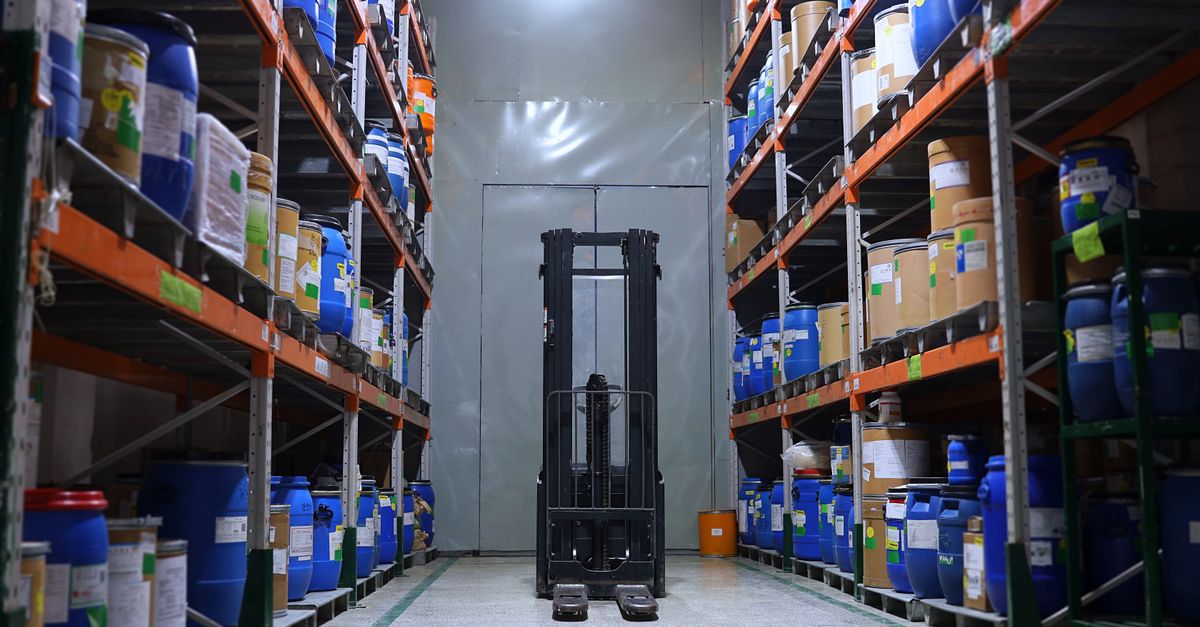
The winter‑to‑spring transition is the most vulnerable period for warehouses. Temperature swings and rising humidity attract cockroaches, rodents, termites, and ants that threaten inventory integrity, safety compliance, and brand reputation.
Seasonal Pest Threats in Warehouses
Pests behave like weather forecasts: predictable when you know where to look. The most common invaders during peak seasons include:
Key Warehouse Pests by Season
- Late Winter / Early Spring: Ants and rodents seeking warmth.
- Spring / Summer: Termites, cockroaches, and wasps drawn to moisture.
- Fall: Rodents breeding before winter, searching for nesting sites.
Each species compromises different aspects of operations—termite damage weakens shelving; rodents contaminate food‑grade products. Recognizing seasonal patterns lets you target interventions precisely.
How Seasonal Climate Drives Pest Activity
Late winter warming creates microclimates inside stacks and along crevices. Ants use these warm corridors to establish colonies, while rodents forage before the cold sets in. Early spring moisture from thawing snow or increased humidity triggers cockroach breeding, and termites seek damp wood. In fall, rodents intensify nesting as they prepare for hibernation.
Typical Damage Scenarios
Termite infestations can compromise load‑bearing shelving, leading to structural failures that jeopardize product lines. Rodent droppings and gnaw marks contaminate high‑value inventory, forcing costly quarantines or recalls. Cockroaches, with their rapid reproduction rate, spread allergens quickly, raising compliance risks in food and pharmaceutical sectors.
Why Guaranteed Pest Control Results Matter
A “guaranteed” result is more than marketing—it’s a contractual assurance that your investment translates into measurable pest elimination and ongoing protection. For warehouses, this means:
- Compliance: Many industries require documented proof of control for audits.
- Inventory Protection: Eliminating infestations reduces spoilage and loss.
- Operational Continuity: Pest‑related shutdowns can cost millions in downtime.
Warehouses that lock in guaranteed contracts see a 45% drop in pest incidents within the first year compared to ad‑hoc treatments that often miss the mark.
Financial Impact of Guarantees
When a contract includes a guarantee clause, the provider assumes residual risk. This alignment leads to more thorough inspections and proactive monitoring, cutting re‑infestation chances that would otherwise trigger emergency interventions costing 30%–50% more than scheduled visits.
Key takeaway: A guaranteed result contract turns pest control from an afterthought into a strategic asset for warehouse reliability.Choosing the Right Bug Exterminators
Selecting a provider is like hiring a contractor for critical infrastructure. Consider these criteria:
- Certification & Licensing: Verify state and local credentials.
- Track Record with Warehouses: Ask for case studies or references.
- Technology Adoption: Providers using data‑driven monitoring (e.g., pheromone traps linked to dashboards) spot issues before they grow.
- Warranty & Follow‑Up: Look for clear guarantees and scheduled inspections.
Firms that integrate IoT sensors into their workflow provide the most consistent results—reducing repeat visits by up to 30%.
Assessing Experience with Your Facility Size
A provider’s expertise should match your warehouse dimensions. A mid‑size facility (10,000–15,000 sq ft) requires different coverage than a mega‑warehouse exceeding 50,000 sq ft. Request detailed inspection reports that map entry points and high‑risk zones specific to your layout.
Safety & Environmental Credentials
Pest control chemicals can pose risks to workers and stored goods. Verify compliance with OSHA guidelines for pesticide handling and use products approved by the EPA or equivalent bodies in your jurisdiction. Eco‑friendly options protect the environment and reduce product contamination.
The Process of Seasonal Pest Control Services
A professional seasonal program follows these steps:
- Baseline Inspection: Audit entry points, storage areas, and environmental conditions.
- Targeted Treatment: Apply environmentally safe pesticides or non‑chemical methods (e.g., bait stations).
- Monitoring & Data Collection: Place traps and sensors to track pest activity.
- Reporting & Adjustments: Issue monthly reports with insights; re‑treat if needed.
This systematic approach ensures data‑backed interventions, fewer surprises, lower costs, and stronger compliance documentation.
Step 1: Detailed Baseline Mapping
The first visit records every potential entry point—cracks around doors, gaps under vents, openings in HVAC ducts—and assesses temperature and humidity gradients to identify microclimates that attract pests.
Step 2: Customized Treatment Plan
Using baseline data, the provider selects a combination of chemical and non‑chemical controls tailored to identified species. For example, ant infestations may be addressed with bait stations near detected trails, while rodent problems might require snap traps plus exclusion techniques.
Step 3: Smart Monitoring Integration
Modern programs deploy electronic pheromone traps that transmit real‑time data to a cloud dashboard. Managers can view pest activity on mobile devices and receive alerts when thresholds are exceeded, enabling rapid response without waiting for the next inspection.
Step 4: Continuous Reporting
Each month, the provider delivers a detailed report including trap counts, environmental readings, and recommended actions. This transparency aids internal audits and strengthens your case during regulatory inspections.
Cost & Budgeting for Warehouse Pest Management
Pest control can be a hidden expense if not budgeted correctly. Typical cost drivers include:
- Scope of Work: Larger warehouses require more extensive inspections.
- Frequency: Seasonal contracts often involve quarterly visits; emergency services add premium costs.
- Technology: IoT monitoring systems can increase upfront investment but reduce long‑term labor.
A mid‑size warehouse (10,000 sq ft) typically spends between $4,500 and $7,200 annually on a guaranteed seasonal program. Preventive technology may raise the initial bill by 15% but often saves up to 25% in operational losses over five years.
Sample Cost Breakdown
• Initial inspection and mapping: $1,200
• Quarterly treatment visits (4 × $800): $3,200
• IoT sensor installation (one‑time $2,500)
• Monthly monitoring subscription ($150/month): $1,800/year
Total annual cost: ~$8,700
Return on Investment (ROI) Considerations
A pest‑related recall can cost thousands to millions of dollars. By preventing even a single incident, a guaranteed program often pays for itself within 12–18 months through avoided spoilage and compliance fines.
Common Mistakes to Avoid When Hiring Pest Control Providers
Even seasoned owners fall into these traps:
- Relying on Low‑Price Quotes: Cheap services often skip critical inspections or use ineffective chemicals.
- Ignoring Service Agreements: Without a clear guarantee clause, you may pay for nothing if pests return.
- Skipping Follow‑Up Visits: Pests are resilient; one‑time treatments rarely suffice.
- Overlooking Environmental Impact: Non‑selective pesticides can damage goods and violate regulatory standards.
A provider that offers transparent pricing, clear guarantees, and eco‑friendly options consistently delivers better long‑term outcomes.
Neglecting Documentation
Failing to maintain proper documentation is a common oversight. Auditors expect detailed service logs; without them, you risk penalties even if pest activity is low.
Underestimating Seasonal Peaks
Some companies schedule treatments only during the coldest months, missing the critical warm‑spring surge that brings the highest infestation rates. A full seasonal program should cover both late winter and early summer to bracket the peak window fully.
Conclusion – Making Seasonal Pest Control Work for You
Seasonal pest control is not optional; it’s a strategic necessity for warehouses. By understanding threats, demanding guaranteed results, selecting the right exterminators, following a structured process, and budgeting wisely, you protect inventory, comply with regulations, and maintain operational continuity.
What seasonal pest challenges have you faced in your warehouse, and how did you address them?


