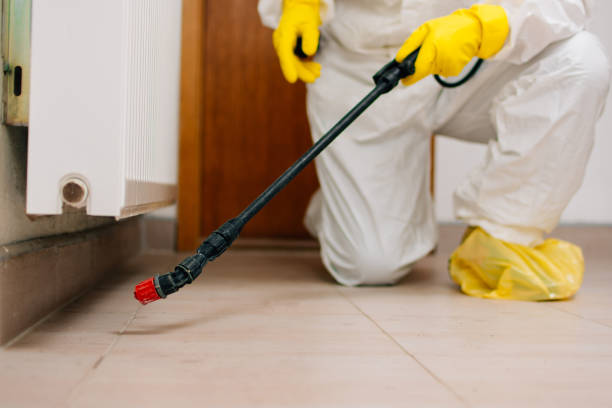
Strategic Pest Control for Hospitals: Ensuring Safety and Compliance Through Custom Treatment Plans

Pest control in hospital environments is a critical aspect of healthcare facility management that demands meticulous attention and specialized strategies. Unlike other environments, hospitals must maintain a sterile atmosphere, free of pests and the diseases they can potentially carry. Implementing safe pest control methods and developing custom pest treatment plans are fundamental to ensure the health safety of patients, staff, and visitors. This post explores the importance of pest control specifically tailored for hospitals, detailing safe practices and the benefits of personalized treatment plans.
The Importance of Pest Control in Hospitals
Hospitals are designed to be sanctuaries of healing, but the presence of pests can compromise patient care and institutional hygiene. Various pests such as rodents, insects, and birds can not only spread diseases but also cause structural damage to hospital facilities, leading to significant financial costs. Effective pest control is crucial not only for the clinical outcomes of patients but also for the overall reputation and operational efficiency of healthcare institutions.
Challenges in Hospital Pest Control
Controlling pests in a hospital setting presents unique challenges that require more than just a one-size-fits-all approach:
- Sensitivity: Hospitals house vulnerable populations, including patients with compromised immune systems, making traditional chemical treatments risky.
- Regulatory Compliance: Healthcare facilities must adhere to stringent regulations regarding sanitation and safety, complicating many conventional pest control strategies.
- 24/7 Operation: Since hospitals operate around the clock, pest control activities must be planned so as not to disrupt the ongoing care and operation of the facility.
These challenges underscore the need for strategic planning and execution of pest control measures in hospitals, emphasizing safety and efficiency.
Safe Pest Control Methods for Hospitals
Ensuring the safety of hospital environments while effectively managing pest issues requires adopting several safe pest control methods:
- Integrated Pest Management (IPM): IPM focuses on preventive measures and uses chemical treatments as a last resort. This approach assesses the pest problem, monitors the environment, and chooses the safest and most effective treatment options.
- Mechanical and Physical Controls: These include using traps, barriers, and electronic devices to control pest access and movement within the facility.
- Biological Controls: Utilizing natural predators or biological agents to control pest populations offers a non-toxic alternative particularly useful in sensitive hospital areas.
- Sanitation and Waste Management: Proper waste management and sanitation are vital in deterring pests. Regular cleaning schedules and secure waste disposal practices can significantly reduce pest attractions.
Each of these methods plays a crucial role in maintaining a pest-free hospital environment without compromising patient safety.
Benefits of Custom Pest Treatment Plans in Hospitals
Custom pest treatment plans are essential in addressing the unique needs of each hospital. Tailoring the pest control program offers numerous benefits:
- Targeted Solutions: Custom plans allow for solutions that are specifically designed to address the particular pest issues of a hospital. This targeted approach increases the effectiveness of the pest control program.
- Minimized Chemical Use: By focusing on problem-specific strategies and integrating non-chemical methods, hospitals can minimize the use of hazardous chemicals in their environment.
- Regulatory Compliance: Customized plans ensure that all pest control activities are in line with health regulations and safety standards, helping facilities avoid legal penalties and compliance issues.
- Cost-Effectiveness: Efficiently managing resources and focusing on preventive measures reduce the long-term costs associated with pest control.
Developing a custom pest treatment plan involves a thorough assessment of the hospital’s specific circumstances, including layout, common pests, sensitive areas, and existing pest control challenges.
Implementing Safe Pest Control in Hospitals
Implementing safe pest control in hospitals begins with a comprehensive audit of the facility and a detailed plan that considers all aspects of the hospital's operation. Here’s a step-by-step approach:
- Assessment: Conduct a thorough inspection to identify current and potential pest issues, including entry points, water sources, and food storage areas.
- Planning: Develop a customized plan that outlines the specific actions, safe treatment methods, and preventive measures tailored to the hospital's needs.
- Execution: Implement the pest control measures, focusing on minimizing disruption to hospital operations and ensuring patient safety at all stages.
- Monitoring: Regularly monitor the effectiveness of the pest control measures, making adjustments as necessary to address any new challenges or changes in the hospital environment.
- Documentation: Keep detailed records of all pest control activities, including the methods used and the results achieved, to ensure compliance and facilitate continuous improvement.
This structured approach helps maintain a pest-free environment in hospitals, safeguarding the health of patients and staff while preserving the integrity of medical facilities.
Conclusion
Pest control in hospitals is a complex but crucial aspect of facility management. By employing safe pest control methods and developing custom treatment plans, hospitals can protect their patients, staff, and visitors from the dangers of pests. With a strategic approach that includes regular monitoring and adaptation, healthcare facilities can maintain the highest standards of hygiene and safety, ensuring a clean and safe environment conducive to patient recovery and care.
By understanding the intricacies of hospital-specific pest control needs and implementing robust, customized solutions, healthcare administrators can effectively manage pests while adhering to the strict regulations that govern their operations. This proactive stance in pest management ensures that hospitals continue to serve as safe havens for healing and care.