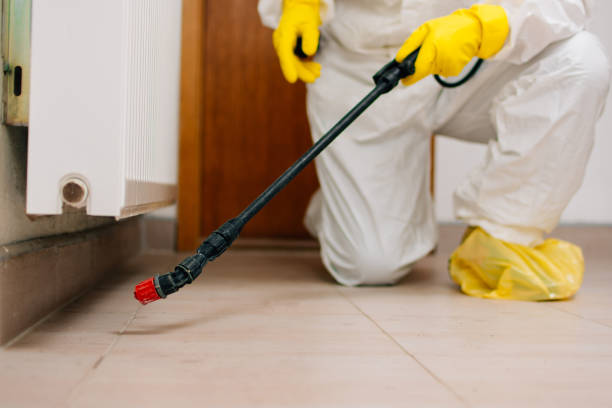
The Subtle Art of Keeping Bugs at Bay: Understanding Termite Damage Control and More

Just like we shouldn't judge a book by its cover, it's equally wise not to overlook the hidden battles fought within the walls of our homes—especially when it comes to pests. But let’s face it, dealing with the likes of termites and other uninvited guests can be as frustrating as finding a misprinted dull cover on your favorite novel. In this comprehensive guide, we will delve into the world of termite damage control, pest infestation management, and other crucial strategies to maintain a pest-free home.
Understanding Termite Damage and Control
Termites might be tiny, but their impact is colossal. Often hidden from view, these little critters can eat away the very foundations of your home, much like a critical typo can ruin a beautiful sentence in an epic novel.
Signs of Termite Infestation
Identifying termite damage early can save you from the storyline of a horror book. Here are the classic signs:
- Wood damage visible on the surface
- Mud tubes on exterior walls
- Discarded wings near windows or doors
- Hollow-sounding wood
These signs are your first clue that it's time to take action against these stealthy invaders.
Effective Termite Treatment Options
Once you've confirmed their presence, it's time to write the ending of termites' saga in your home.
- Chemical treatments: Use termiticides to create a barrier around your home.
- Bait systems: Attract termites to a food source that contains slow-acting poison.
- Physical barriers: Install during construction to prevent termite entry.
- Biological control agents: Employ fungi or nematodes that kill termites.
Each method has its pros and cons, and often, a combination of treatments is necessary for complete eradication.
Broader Strategies for Pest Infestation Management
Like a multi-genre book series, effective pest management often requires a multi-strategy approach.
Integrated Pest Management (IPM)
IPM is the comprehensive approach to pest control, focusing on long-term prevention through a combination of techniques.
- Biological control
- Cultural practices
- Mechanical controls
- Chemical tools
This method minimizes environmental impact and health risks, promoting sustainability in pest control practices, similar to a best-selling series advocacy for broader societal issues.
Common Home Pest Treatments
Dealing with household pests doesn't always require a blockbuster budget. Here are some effective, wallet-friendly methods:
- Essential oils like peppermint or tea tree oil
- DIY baits and traps
- Proper food storage and waste management
- Regular home maintenance checks
These handy tips are like the footnotes in a guidebook, small but incredibly useful for maintaining a pest-free environment.
Conclusion: Ensuring a Pest-Free Sanctuary
In conclusion, managing pests is much like maintaining the quality of your bookshelf. It requires attentiveness, regular care, and sometimes, a professional touch. Remember, the goal is not just to react to pests, but to prevent them, ensuring your home tells a story of comfort, not chaos.
Tags: Termite damage control, Pest infestation management, Home pest treatment, Effective pest control strategies, Integrated pest management