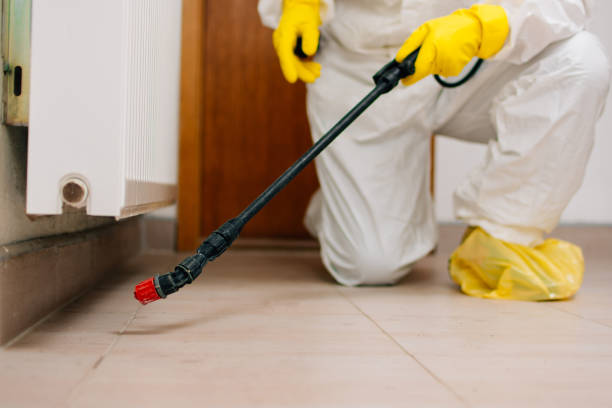
The Essential Guide to Industrial Pest Management

Pests in industrial settings present a unique and critical challenge that can jeopardize safety, disrupt operations, and affect a business's bottom line. Industrial pest management is a strategic approach tailored to meet the demands of large-scale operations, ensuring a pest-free environment through specialized techniques and solutions. Engaging certified pest control professionals and working with a licensed pest control company are paramount to achieving effective and sustainable pest control in industrial scenarios.
Understanding Industrial Pest Management
Industrial pest management goes beyond the occasional pest control tactics used in residential settings. It is a comprehensive strategy that demands a proactive approach to prevent infestations in warehouses, manufacturing plants, and other commercial spaces. The complexity of industrial environments—with their vast spaces, extensive supply chains, and continuous production lines—calls for a more sophisticated and persistent method of pest control.
- Customized Solutions: Each industry requires a tailored approach depending on the nature of the work and the specific vulnerabilities to pests.
- Regular Monitoring: Continuous inspections and monitoring are crucial to detect early signs of pest activity and address them promptly.
- Integrated Pest Management (IPM): This approach combines biological, cultural, physical, and chemical tools to minimize pest damage in an environmentally sensitive and economical manner.
The Role of Certified Pest Control Professionals
When it comes to managing pests in an industrial context, the expertise of certified pest control professionals is invaluable. These professionals are trained to handle complex pest issues with advanced techniques that ensure safety and effectiveness. Certification in pest control not only signifies expertise but also guarantees that the professionals are updated with the latest pest management practices and compliance requirements specific to various industries.
- Expert Assessment: Certified professionals perform thorough assessments to identify pest hotspots and customize intervention plans accordingly.
- Advanced Tools and Techniques: They utilize the latest technology and methodologies that are most appropriate for industrial settings.
- Safety Compliance: Adherence to health and safety regulations is paramount in industrial operations, and certified experts ensure that all pest control measures are compliant with legal standards.
Choosing a Licensed Pest Control Company
Selecting a licensed pest control company is critical for effective industrial pest management. A license is not just a formality; it is proof that the company meets the stringent standards set by regulatory bodies. This not only encompasses efficacy and safety but also involves ethical practices in pest management.
- Regulatory Compliance: Licensed companies are well-versed in the national and local regulations that govern pest control practices, ensuring that all interventions are legally compliant.
- Accountability: A licensed company is accountable to regulatory agencies and must adhere to a code of ethics and quality standards, providing peace of mind to business owners.
- Insurance: Working with a licensed company often means they are insured, which protects your business in the event of accidental damage or other liabilities.
Key Strategies in Industrial Pest Control
Effective industrial pest management involves several key strategies that certified pest control professionals utilize to keep facilities pest-free. These strategies are designed to offer both immediate relief and long-term prevention.
Comprehensive Site Audits
Before any actual pest control measures are taken, a comprehensive site audit is necessary to identify all potential and existing pest issues. This includes inspecting all nooks and crannies, storage areas, production lines, and even exterior areas of the industrial site.
Customized Pest Control Plans
Based on the audit findings, pest control professionals develop a customized plan that addresses the specific needs of the facility. Whether it's trapping, using bio-repellents, or employing chemical treatments, each tactic is carefully selected based on its effectiveness and minimal impact on the industrial process.
Ongoing Monitoring and Documentation
Continuous monitoring and proper documentation are vital in industrial pest control. This not only helps in tracking the effectiveness of the pest management strategies deployed but also in identifying new or recurring pest pressures that require attention.
Technological Advancements in Industrial Pest Management
Technology plays a crucial role in modern pest management strategies. Innovations such as IoT-enabled traps, data analytics for predicting pest trends, and automated monitoring systems are transforming the landscape of industrial pest control.
- Smart Traps: These devices capture pests and instantly relay the data to pest control managers, allowing for timely intervention.
- Predictive Analytics: By analyzing past pest activity data, professionals can predict future infestations, helping in proactive pest control planning.
- Automated Systems: Automated pest monitoring systems can detect and record pest activity on a 24/7 basis, significantly reducing the manpower needed for manual checks.
Conclusion
Industrial pest management is a critical aspect of maintaining a safe and productive working environment. Engaging certified pest control professionals and choosing a licensed pest control company are key decisions that can significantly impact the efficacy of your pest management strategy. With the right partnership and advanced technological tools, it is possible to maintain a pest-free environment in even the most challenging industrial settings.
Remember, effective pest control is not just about eliminating pests but also about implementing an ongoing management strategy that prevents future infestations and ensures compliance with health and safety standards.
For businesses in industrial sectors, taking proactive steps towards comprehensive pest management is not just a regulatory requirement but a strategic investment in their operational integrity and brand reputation.