What Are the Most Effective Long‑Term Pest Control Strategies for Warehouses?

Warehouse operators often face a silent, persistent threat that can undermine inventory integrity and safety: pests. Whether rodents chew through wiring or insects contaminate stored goods, the impact is measurable in lost stock, fines, and downtime. I’ve spent years evaluating pest control solutions for industrial settings, and this article distills what works over time, how to evaluate local services, and when DIY tactics suffice.
Understanding Warehouse Pest Problems
Pest activity in warehouses differs from residential homes. The size of the space, storage density, and often year‑round climate control create ideal conditions for rodents, beetles, termites, and other insects. Unlike a single household infestation that can be tackled with a spray bottle, warehouse pests form colonies that spread quickly across aisles.
Key indicators include:
Common Signs of Warehouse Infestation
- Droppings or gnaw marks on pallets and packaging
- Unusual odors from stored goods
- Crawling insects in corners or under equipment
- Damage to structural elements like wood or insulation
- Unexpected electrical faults linked to rodent chewing
Spotting these signs early is essential; the longer a colony thrives, the harder it becomes to eradicate.
Long‑Term vs Short‑Term Solutions
Most pest control programs fall into two categories: short‑term fixes that kill visible pests and long‑term strategies that prevent re‑entry. In my experience, warehouses that rely solely on chemical sprays often see a relapse within weeks.
In my experience, the first week after a spray can feel victorious, but by month two I’ve seen new activity reappear—proof that chemicals alone aren’t a permanent fix.Long‑term solutions focus on:
- Sealing entry points
- Maintaining cleanliness to reduce attractants
- Using targeted baits and monitoring traps
- Implementing integrated pest management (IPM) protocols
Effective Pest Control Strategies for Warehouses
The cornerstone of sustainable control is an Integrated Pest Management plan. IPM blends prevention, monitoring, and intervention while minimizing chemical use.
1. Physical Barriers & Sanitation
Preventing entry is the first line of defense. Inspect foundations for cracks, seal gaps around pipes, vents, and ductwork with steel wool or caulk. Replace damaged flooring seams that rodents can squeeze through.
- Seal all holes larger than 1/4 inch
- Install metal flashing on roof penetrations
- Use welded mesh for large openings
Cleanliness removes food sources. Implement a strict waste management schedule and store pallets off the floor to reduce nesting sites.
In practice, this means setting up a daily sweep of aisles, removing debris from corners, and ensuring that all loading docks are cleared before the next shift begins. A small warehouse with a concrete foundation can benefit from a single layer of steel mesh across its perimeter; larger facilities may need multiple layers and routine inspections every quarter.
Inspect roof penetrations and HVAC units for gaps that could invite pests, sealing them with appropriate materials to block entry points.
For openings too large for simple caulk, install welded mesh or metal flashing. This approach deters rodents and insects alike while maintaining airflow.
2. Monitoring & Targeted Baiting
Deploy motion‑sensitive traps along baseboards, behind equipment, and in high‑traffic zones. Replace or reset traps weekly during peak activity periods.
- Use snap traps for rodents; glue boards for insects
- Place bait stations near water sources to attract pests
- Log trap counts to track trends over time
A systematic approach starts with a map of the warehouse, marking all potential harborages. Traps should be placed 12–18 inches from walls and within 3 feet of known activity hotspots. When logs show a spike in captures, it signals either increased activity or that bait stations are becoming saturated—prompting relocation or replacement.
Use simple data logging software to track trap counts daily; this real‑time visibility helps spot trends before they become full‑blown infestations.
3. Chemical Treatments When Needed
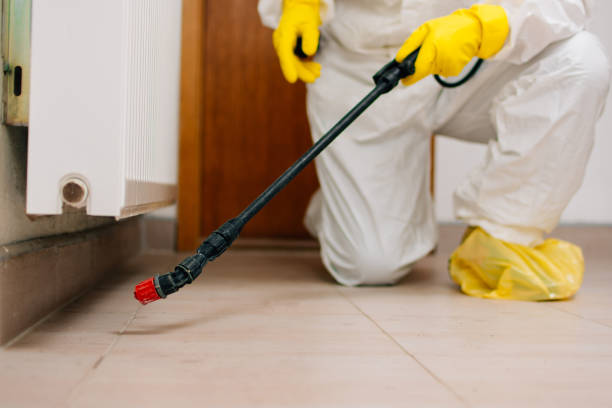
Chemical methods should be a last resort, applied strategically by professionals. Choose products labeled for industrial use with low toxicity to humans and pets. Rotate active ingredients every 12 months to avoid resistance.
- Apply residual sprays in non‑occupied areas
- Use bait stations containing slow‑acting poison for rodents
- Follow label instructions on contact times and safety precautions
For warehouses that handle food or pharmaceuticals, the choice of pesticide must align with regulatory requirements such as FDA’s Food Code or OSHA standards. Storage of chemicals in a locked, ventilated area reduces accidental exposure to staff and visitors.
Provide training for employees who may encounter treated areas; clear signage and personal protective equipment reduce risks during routine operations.
4. Staff Training and Reporting
A knowledgeable crew is the most valuable asset in any IPM program. Conduct quarterly briefings that cover:
- Identification of common pests and their signs
- Proper use of traps and bait stations without compromising safety
- Reporting protocols—who to contact, what information to include, and how quickly a response is expected
A simple log sheet can be posted in break rooms, enabling staff to record sightings instantly. When a team member spots droppings or gnaw marks, the incident is logged with time, location, and any observations. This data feeds directly into the monitoring system, allowing for rapid adjustments.
Create a quick‑reference card featuring pest signs and action steps; display it near loading docks so workers can act immediately.
Choosing a Local Pest Removal Service
A reputable local provider brings expertise, rapid response time, and knowledge of regional pest profiles. When evaluating a service, consider the following:
- Certification from state or national pest control associations
- Experience in warehouse environments specifically
- Availability for emergency calls outside business hours
- Transparent pricing models with clear scope of work
- Use of IPM principles and low‑toxic chemicals
In my experience, providers that offer a written plan before starting the work save time and reduce unexpected costs.
Ask for client references; verifying past success with similar facilities ensures confidence in their capabilities.
Cost Considerations and Return on Investment
Pest control budgets often focus on monthly fees, but long‑term ROI comes from preventing product loss and downtime. A typical warehouse might spend $500–$1,200 per month for comprehensive services, including inspections, treatments, and monitoring.
To evaluate ROI:
- Track inventory shrinkage before and after implementation
- Calculate average cost of pest‑related downtime per incident
- Subtract service costs from savings to determine payback period
A well‑executed plan can reduce losses by 70–90%, often paying for itself within six months. For smaller operations, the initial investment might be lower but still crucial; larger facilities benefit from economies of scale and more robust monitoring equipment.
For example, a $10,000 annual service that prevents $25,000 in inventory loss yields a 150% return on investment within the first year.
Common Mistakes Warehouse Operators Make
- Delaying inspections until a visible infestation appears
- Using high‑toxic chemicals without professional oversight
- Ignoring sanitation as a preventive measure
- Failing to train staff on pest identification and reporting
- Underestimating the importance of sealing structural gaps
Addressing these mistakes early creates a robust defense against future infestations.
DIY vs Professional: When to Call Experts
Small, isolated problems—like a single rodent nest in a corner—can sometimes be handled with traps and sealants. However, for warehouses that store high‑value or regulated goods, professional services are essential:
- Large infestations spanning multiple zones
- Pest species that pose health risks (e.g., bed bugs, cockroaches)
- Complex infrastructure requiring specialized equipment
- Regulatory compliance with food safety or pharmaceutical standards
In my experience, the line between DIY and professional intervention often hinges on the scale of the problem and regulatory requirements.
When DIY Is Safe
If a warehouse has only a few isolated signs—such as a single set of droppings near a storage rack—and the staff is trained to identify and address them promptly, a limited DIY approach can be effective. This includes sealing small cracks, setting up traps, and maintaining daily cleaning protocols. However, any sign that the infestation is spreading or involves regulated products should trigger professional involvement.
Preventive Maintenance Checklist
- Inspect all structural seams quarterly.
- Maintain daily aisle sweeps and waste removal.
- Monitor trap data weekly.
- Re‑seal gaps after any equipment installation.
Choosing the right strategy not only protects inventory but also safeguards staff health and ensures compliance with industry regulations. By investing in preventive measures now, you can avoid costly disruptions down the line.
What challenges have you faced when implementing long‑term pest control strategies in your warehouse?