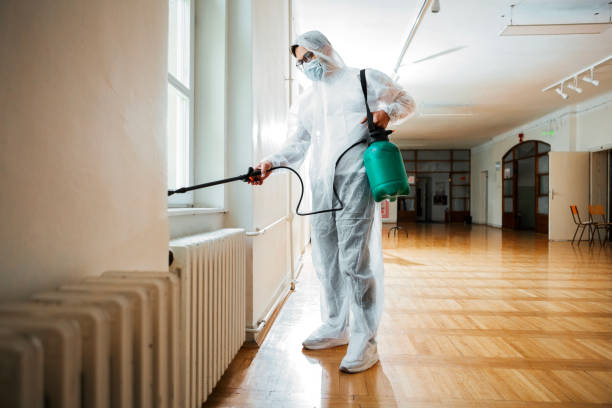
What Should I Look for in a Reliable Local Emergency Pest Control Company?
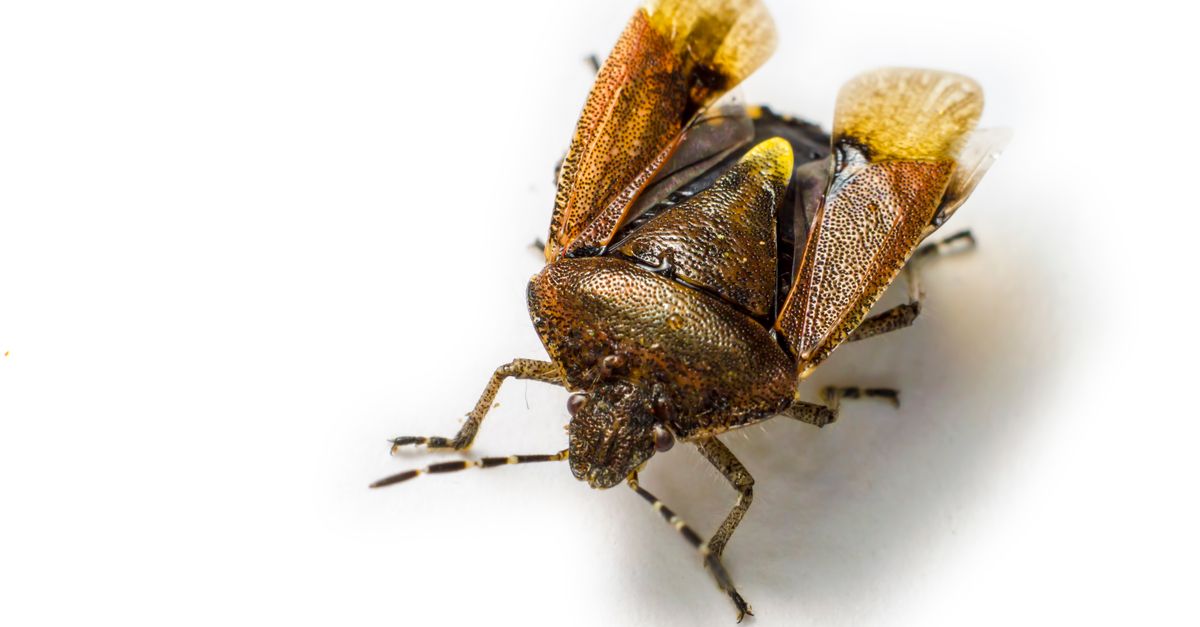
I’m not going to waste your time with fluff. If you’re dealing with an urgent pest issue—whether it’s a sudden wasp nest, a swarm of cockroaches, or any other infestation—you need a fast, effective, and safe solution. The key is selecting a local pest removal service that can act quickly while protecting your home and family. Below are the concrete criteria and steps I use to evaluate and hire an emergency pest control company.
Understanding the Scope of Emergency Pest Problems
Emergency situations differ from routine inspections. You’re often dealing with a visible infestation that threatens health, safety, or property. In my experience, the first signs that you need an emergency service are:
- A sudden increase in pests (e.g., dozens of wasps appearing overnight).
- Visible damage to structures or food supplies.
- Health risks such as allergic reactions or disease vectors.
- Threats to pets or children, like a nest near a play area.
These scenarios require immediate action. The response time, equipment readiness, and expertise of the pest control company become critical factors. When I faced a wasp nest on my porch last summer, I chose a local provider that could dispatch an inspector within two hours; that saved me from having to evacuate the entire house.
Key takeaway: In emergency situations, response time and equipment readiness are as important as the quality of treatment.Why Local Matters in Emergencies
A local pest removal service has several advantages:
- Familiarity with regional pest species and behaviors.
- Quick dispatch due to proximity.
- Better knowledge of local regulations on pesticide use.
- Established relationships with nearby emergency services (e.g., fire departments).
If you’re in a rural area, a local company will also have the logistical advantage of shorter travel times, reducing overall costs and downtime for your household.
Key Qualities of a Trusted Local Pest Removal Service
When I vet a pest control company, I focus on five core qualities that ensure reliability and safety:
- Licensing and Certification: Verify state licensing and certifications such as the National Pest Management Association (NPMA) credential.
- Insurance Coverage: Confirm liability insurance to protect against accidental damage or injury during treatment.
- Transparent Pricing: Look for upfront estimates with no hidden fees; a reputable company will detail all costs before starting work.
- Qualified Technicians: Ensure staff hold current training in safe pesticide handling and integrated pest management (IPM).
- Positive Reviews and References: Check recent customer feedback specific to emergency services.
These criteria help filter out companies that might overpromise or use harmful chemicals. In my experience, a company that meets all five gives me confidence that the job will be done right the first time.
Safety First: Safe Pest Control Methods
The term “safe pest control methods” refers to treatments that minimize human and environmental exposure while still effectively eliminating pests. Common safe practices include:
- Using low-toxicity, EPA‑registered products.
- Employing non-chemical barriers (e.g., sealing cracks).
- Applying targeted bait stations instead of blanket sprays.
- Utilizing heat or cold treatments for certain pests.
- Providing post-treatment safety instructions to clients.
When choosing a company, confirm they prioritize these methods over aggressive chemical solutions. This is especially important if you have pets or children at home.
Comparing Safe Pest Control Methods for Different Situations
Pest control isn’t one-size-fits-all; the method depends on the species, infestation level, and location within your property. Here’s a quick comparison of common scenarios:
- Wasps/Nests: Most companies use insecticide dust or aerosol sprays applied from a safe distance, sometimes combined with removal services.
- Cockroaches: Targeted baiting and residual treatments are preferred over broad-spectrum sprays.
- Termites: Liquid barrier treatments and baits are standard; chemical fumigation is rarely necessary for residential emergencies.
- Rodents: Snap traps, live catchers, or rodent-proofing combined with bait stations.
- Bed Bugs: Heat treatment (above 120°F) or low‑toxicity pesticides applied directly to seams and cracks.
In my own home, I had a small wasp nest near the deck. The technician used a non-chemical removal kit followed by a targeted dusting that eliminated the colony without exposing me to harmful chemicals.
When to Call an Emergency Pest Control Service vs. Routine Maintenance
If you detect a minor issue—like a single ant trail—you can often schedule a routine visit. Emergencies usually involve:
- Visible nests or colonies that threaten safety.
- Rapidly spreading infestations.
- Pest species that carry diseases (e.g., rodents, cockroaches).
- Damage to property or food supplies.
Choosing the right service type saves money and ensures timely action. I learned this lesson after waiting two weeks for a routine appointment while a wasp nest grew on my patio; by then, the situation had escalated.
How to Evaluate Pricing and Service Guarantees
Emergency pest control can be expensive, but transparent pricing protects you from surprise fees. When comparing quotes:
- Itemized Breakdown: Look for details on labor, materials, travel time, and any follow‑up visits.
- Guarantee Periods: A reputable company will offer a 30–90 day guarantee against re-infestation.
- Follow-Up Policies: Verify whether they provide free inspections if pests return within the guarantee period.
- Payment Options: Some companies accept insurance for certain pest types (e.g., bed bugs).
- Sliding Scale: For low-income households, check if discounts or payment plans are available.
I once received two quotes: one was $420 with a 60‑day guarantee, the other $520 but included a free follow-up visit. After weighing the long-term value, I chose the higher upfront cost because it avoided potential re-treatment expenses.
Common Pricing Mistakes to Avoid
Beware of:
- “Free” initial inspections that later charge for services.
- Quotes that include unnecessary chemicals or equipment.
- Hidden fees for travel, especially if the technician must drive over an hour.
- Overpriced labor rates without clear justification.
A transparent company will provide a written estimate before any work begins. In my experience, companies that do this earn higher trust scores from local reviewers.
Practical Steps to Prepare for an Emergency Call
Once you’ve selected a local pest removal service, preparation reduces downtime and risk:
- Secure Pets and Children: Keep them in a separate room or outside if possible.
- Avoid the Area: Stay clear of suspected nests or infestation zones until professionals arrive.
- Document the Problem: Take photos or videos to share with the technician; this helps assess severity and treatment options.
- Check for Allergies: Inform staff if anyone in your household has severe allergies.
- Disable Traps/Attractants: Remove any bait stations or attractant items that could interfere with professional tools.
I usually keep a small “emergency kit” on my porch: a flashlight, a notebook for notes, and a bottle of water. When the technician arrives, I can quickly point out hotspots, and they can begin treatment immediately.
After Treatment: What to Expect
Post-treatment protocols typically include:
- A walk-through with the technician explaining what was done.
- Safety instructions for cleaning up residual chemicals if any were used.
- An estimate of when a follow-up inspection will occur.
- Documentation of all services rendered, useful for insurance or future reference.
In my case, after the wasp nest removal, the technician left me with a safety checklist and scheduled a free check‑in in 30 days. This gave me peace of mind that the problem would stay resolved.
In my experience, choosing a company that values clear communication and safe methods saves time, money, and headaches during an emergency situation. What’s the most critical factor you consider when hiring an emergency pest control service for your home?