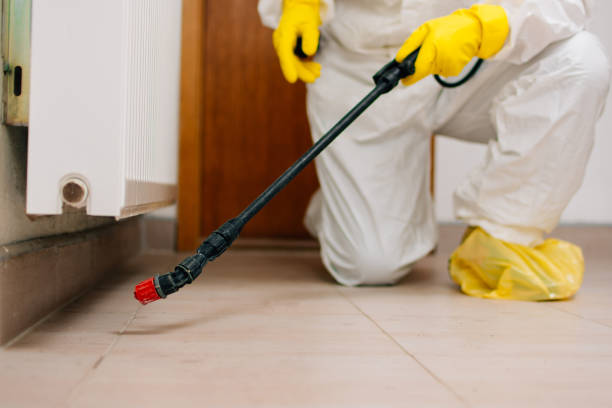
Which pest control services offer the best termite treatment and quick response?

I’ve spent years evaluating technology, logistics, and design systems, but nothing tests my analytical eye quite like a home invaded by termites or centipedes. When I first noticed faint mud tubes on my kitchen floor, I realized that a solid termite inspection and treatment plan was essential. As a homeowner in 2026, you’ll want to pick a service that’s not only fast pest control services but also reliable and trusted pest removal services. The following review breaks down what makes a local provider stand out, how to assess their credentials, and why fast response can actually save money in the long run.
Termite Inspection and Treatment: What It Covers
A proper inspection goes beyond spotting visible damage. A reputable company will use infrared thermography, moisture meters, and even acoustic detection to locate hidden colonies before they spread. They’ll also assess building materials, ventilation patterns, and any recent construction that might have introduced new pathways for termites.
Key Elements of a Comprehensive Termite Plan
- Initial visual survey of structural wood, crawl spaces, and moisture sources.
- Use of non‑invasive detection tools to identify colony location.
- Strategic placement of bait stations around the perimeter.
- Follow‑up monitoring for at least one year post‑treatment.
- Documentation of all findings and treatment steps.
- Warranty or guarantee covering future termite activity within a set timeframe.
- Detailed moisture control recommendations to prevent re‑entry.
The goal is early detection coupled with long‑term protection. A quick, superficial inspection may miss subterranean colonies that can return months later, turning the initial cost into a recurring expense.
Local Pest Removal Services vs National Chains
Choosing between a local shop and a national franchise often hinges on knowledge of regional pest behavior. Local companies tend to have deeper familiarity with the specific termite species that thrive in Nevada’s desert climate, while national chains offer standardized protocols and bulk purchasing power.
Pros & Cons of Local vs National Providers
- Local: Personalized service; faster response times; better understanding of local building codes.
- National: Established brand reputation; uniform training standards; broader service coverage.
- Cost variability: locals may charge more per job, but often include free follow‑ups.
- Availability of specialized equipment can differ greatly.
- Warranty terms are usually clearer in national chains.
If you’re looking for a quick turnaround, a local provider with a strong reputation is typically more responsive. However, if budget and brand trust are primary concerns, a national chain may provide peace of mind through standardized procedures.
Fast Pest Control Services: Speed vs Thoroughness
When a pest infestation is discovered, the first instinct is to act fast. Rapid response can prevent damage escalation but sometimes comes at the cost of thoroughness. The best providers balance both by combining immediate containment with a detailed treatment plan.
Benefits of Prompt Action
- Reduces structural damage before it becomes costly.
- Less disruption to daily life due to shorter job duration.
- Early detection often means lower overall service cost.
- Decreases the likelihood of chemical buildup in living spaces.
- Improves client satisfaction and repeat business potential.
A fast approach is only worthwhile if it doesn’t compromise the quality of the treatment. I’ve seen cases where rushed jobs left residual colonies that required a second, more expensive visit.
Trusted Pest Control Services: How to Verify Credibility
Credibility isn’t just about certifications; it’s also about transparency and accountability. In 2026, most reputable companies will display their licensing status, insurance details, and customer ratings prominently on their websites or upon request.
Checklist for Assessing Trustworthiness
- Verify state licensing and active renewal records.
- Check liability and workers’ compensation coverage.
- Look for industry certifications (e.g., NIPAC, ISSA).
- Read recent online reviews and testimonials.
- Ask for a written estimate with itemized costs.
Trustworthy services also provide clear post‑treatment monitoring plans and offer warranties that protect homeowners against future infestations. A lack of such guarantees often signals lower confidence in their own methods.
Centipede Extermination: Methods and Efficacy
Unlike termites, centipedes are predators that can help control other pests, but they become a nuisance when they invade living spaces. Effective extermination focuses on habitat modification and targeted chemical application.
Effective Centipede Control Tactics
- Reduce indoor humidity with dehumidifiers or proper ventilation.
- Seal cracks around windows, doors, and foundations.
- Remove debris piles and mulch close to the house.
- Apply residual insecticides in crawl spaces and basements.
- Use bait stations if centipedes are frequent visitors.
- Inspect for and eliminate alternative food sources like insects.
- Schedule periodic follow‑ups to ensure eradication.
Because centipedes thrive in damp, dark environments, a combination of environmental management and chemical treatment tends to be the most reliable approach. Ignoring moisture issues often leads to repeated infestations.
Practical Checklist for Homeowners
Before you call a pest control company, arm yourself with a clear set of questions and expectations. This not only saves time but also ensures you’re getting the best value for your investment.
Your Pre‑Call Preparation List
- Document visible damage or signs (e.g., mud tubes, wood rot).
- Note any recent water leaks or high humidity areas.
- Gather past service records if available.
- Identify the parts of the home most affected.
- Set a budget range based on local market averages.
- Prepare questions about licensing, warranties, and follow‑up plans.
- Ask for a detailed written estimate before any work begins.
- Verify if the company offers an online portal for tracking service history.
After the service completes, keep track of the treatment timeline, any additional charges, and your own observations. This record will be invaluable if you need to request a warranty claim or schedule future inspections.
Common Mistakes Homeowners Make When Hiring Pest Control
Even seasoned homeowners can fall into traps that inflate costs or compromise effectiveness. Avoiding these pitfalls ensures you’re not paying for services you don’t need or getting subpar work.
Top Six Pitfalls to Dodge
- Accepting vague estimates without itemized pricing.
- Choosing the cheapest quote over a reputable provider.
- Relying solely on online reviews without verifying credentials.
- Skipping follow‑up inspections that confirm treatment success.
- Overlooking the importance of a warranty or guarantee.
- Neglecting to prepare the home (e.g., moving furniture) before the technician arrives.
Being proactive and informed can save you thousands over the life of your property. Remember, a thorough inspection is often worth more than a quick fix that leaves hidden colonies alive.
In my experience, choosing the right pest control company was a turning point for our family’s home security.
When I first hired a local team, their technician arrived within an hour of booking—a rare feat in this part of Nevada. He walked me through every step: from inspecting the crawl space to explaining how the bait system would work over the next year. The company offered a one‑year warranty and scheduled a follow‑up inspection for June 2027. After a month, I noticed no new mud tubes, and the technician confirmed that the colony had been eliminated.
Contrast that with a national chain I used a decade ago. Their estimate was lower, but they didn’t provide a clear warranty, and the follow‑up came three months later—by then, we were already dealing with new damage. That experience taught me the value of local expertise combined with transparent guarantees.
Takeaway
The best pest control services blend rapid response, thorough inspection, and proven warranties. In 2026, a trustworthy provider will be licensed, insured, and willing to walk you through every step—right from initial detection to long‑term monitoring. If you’re dealing with termites or centipedes, don’t settle for a generic solution; tailor the service to your home’s specific conditions.
A quick, well‑documented inspection can prevent a minor infestation from becoming a multi‑year structural crisis. What are your biggest challenges when hiring pest control services in your area?