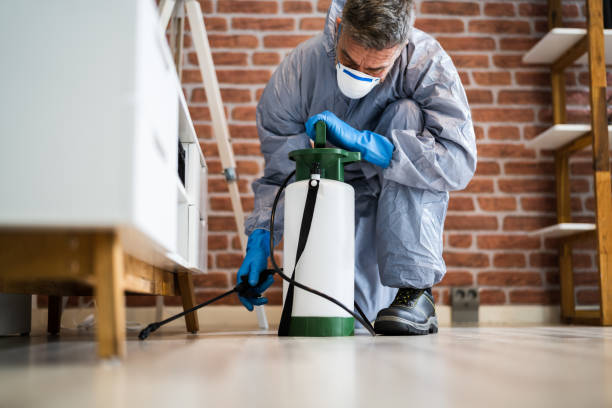
Why Your Hospital Might Just Need a Bug Bounty Program—No, Not the Hacker Kind

Listen up, because I'm about to drop some truth bombs that could save your hospital from becoming a bug's paradise. And no, I'm not talking about cybersecurity here, although that's another ball game I could get into. Today, it's all about those creepy crawlies and winged invaders that think your hospital corridors are the new 'in' spot.
First Things First: Pre-Construction Pest Treatment
Before you even lay down that first brick for your shiny new wing or refurbish those dreary old rooms, let's talk bugs. Pre-construction pest treatment isn't just a good idea; it's like buying insurance against a future headache the size of Texas. Here's the skinny:
Imagine mixing concrete with a pest repellent—sounds like a cocktail from the future, right? Well, welcome to 2025! Treating the construction site can prevent termites from turning your hospital into their midnight snack, and nobody wants that.
And while we're at it, remember that old saying, "An ounce of prevention is worth a pound of cure"? Well, it turns out, it applies to more than just healthcare.
Have No Fear, Safe Pest Removal is Here
Now, onto the nitty-gritty—safely removing uninvited guests. I've seen hospitals go into full panic mode over a spider sighting faster than you can say "code blue." But here's my take:
Safe and effective pest removal doesn't mean going full Rambo on these pests. It's about being smart—like using non-toxic traps and focusing on critical areas like kitchens and waste disposal units. And yes, thinking about pest control during architectural planning isn't as crazy as it sounds.
Sometimes, the best offense is a good defense, and when it comes to pests in hospitals, prevention is your best bet.
Millipede Marching Orders
And let's not forget our many-legged friends, the millipedes. These guys might not be as flashy as the cockroaches or as sinister as the rats, but trust me, they’re no less troublesome. Millipede extermination needs to be done right to avoid a full-blown invasion.
Incorporating pest barriers and ensuring damp areas are well ventilated can make a big difference. It's all about controlling their environment—make it less appealing for them, and they'll head elsewhere (like outdoors, where they belong).
Why I Care (And You Should Too)
Having spent years building businesses and dabbling in everything from app development to dad jokes, one thing I've learned is that the devil is in the details. And when it comes to hospital safety, pest control is a crucial detail that's often overlooked.
Ensuring your facility remains pest-free isn't just about aesthetics or avoiding the heebie-jeebies; it’s about safeguarding health. From preventing infections to maintaining sterile environments, effective pest control is key.
Quick Tips for Keeping Pests at Bay:
- Regularly inspect and seal any cracks and crevices.
- Don't just rely on reactive measures; proactive prevention is the game-changer.
- Train your staff on pest awareness—it’s everyone’s business.
- Choose pest control partners who understand the unique needs of healthcare facilities.
- Keep up with the latest in safe pest control technologies—2025 is buzzing with innovations!
Wrapping up, remember that pest control in hospitals is not just another box to tick—it's an ongoing war. And in this war, knowledge and preparation are your best weapons.
So, got a bug story that makes your skin crawl or a tip on keeping these critters at bay? Drop your tales and tips in the comments—I’m all ears!